In the ever-evolving world of drencher technology, understanding the top options for global buyers is crucial. Richard Hale, a renowned expert in the drencher industry, once stated, “The future of drenchers lies in innovation and sustainability.” This emphasizes the growing demand for environmentally friendly solutions.
As we approach 2026, the focus shifts towards advanced drencher systems that not only meet performance metrics but also adhere to sustainability goals. Current trends show a notable increase in demand for energy-efficient models. Manufacturers are constantly innovating, but not all products meet high standards. Selecting the right drencher can be overwhelming.
Evaluating features, such as water efficiency and durability, is essential. Buyers should also consider user feedback. Evaluating the market has its challenges, but it leads to informed decisions. The pursuit of the best drencher is not just about price; it involves understanding the evolving landscape of technology and environmental impacts.
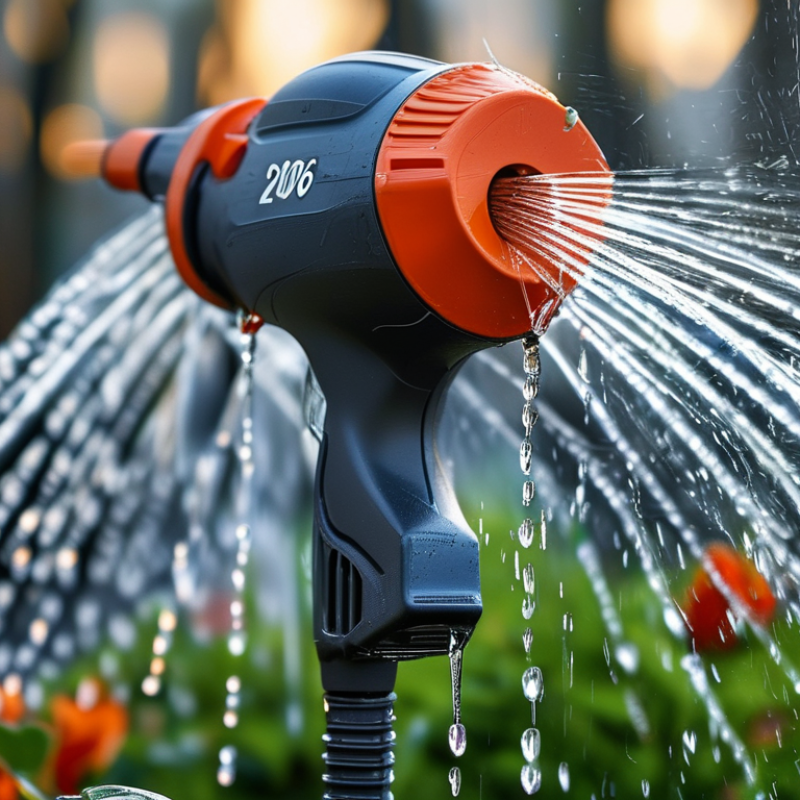
The Top Drencher concept is gaining traction among global buyers in 2026. This innovative idea revolves around advanced water delivery systems that cater to various environmental needs. Its significance lies in providing efficient irrigation, fire suppression, and flood control. Understanding this concept is crucial for governments, businesses, and communities facing water-related challenges.
Efficient water management is becoming increasingly essential. Regions prone to drought desperately need reliable irrigation systems. Interestingly, some top drencher technologies incorporate renewable energy sources. This minimizes environmental impact while maximizing efficiency. This shift not only addresses water needs but promotes sustainability.
However, not all systems are perfect. Many buyers report issues with installation and maintenance. Innovation continues to evolve, and feedback is valuable. As the demand grows, so does the need for improvement. Transparency in production and real-world testing is vital for guaranteeing reliability. The journey of the Top Drencher concept highlights challenges and opportunities in modern water management.
When exploring the 2026 Top Drencher for global buyers, several key features demand attention. Versatility is essential. A good drencher should adapt to various environments, whether for agriculture or landscaping. Consideration of water efficiency is crucial. How much water does it use? Systems that conserve while delivering optimal coverage stand out.
Durability cannot be overlooked. A drencher needs to withstand diverse weather conditions. Materials should resist corrosion and wear. Look for models that offer easy maintenance, ensuring longevity without excessive costs. Additionally, user-friendly operation is vital. Intuitive controls can make a significant difference in user experience.
Finally, trends in technology also play a significant role. Smart features, such as programmable settings, are becoming increasingly important. However, these innovations can introduce complexity. The balance between advanced technology and user simplicity is sometimes elusive. Choose a drencher that reflects practical functionality but remains accessible to all users.
In 2026, the market for drenchers will see substantial growth. According to industry reports, the global drencher market is projected to expand at a compound annual growth rate (CAGR) of 5.2%. This is driven by increasing demand for efficient irrigation systems. Notably, advancements in technology significantly enhance water management in agricultural practices.
Leading brands are investing in innovation. They focus on developing models that maximize water efficiency and reduce waste. Some models now integrate smart technology. This allows for precise water delivery based on soil moisture levels. Reports indicate that these smart drencher systems can improve crop yields by up to 30%.
Tips: Choose a model that fits your specific needs. Assess factors like soil type and crop requirements. Regular maintenance is essential to ensure performance. Many buyers overlook this aspect. Learning from reviews can provide insights into real-world performance issues. Drenchers are not a one-size-fits-all solution. Efficiency and effectiveness vary greatly among models.
When considering watering tools, homeowners often face a choice: drenchers or traditional methods. Drenchers deliver water precisely to the roots. They reduce water waste significantly. In contrast, traditional tools are often less efficient. They soak the top layer of soil but may miss deeper roots. The result? Inconsistent moisture levels.
Drenchers are also time-saving. They often cover large areas quickly. Users find them easier to handle than buckets or hoses. However, there's a learning curve. For those new to gardening, mastering a drencher's technique can be challenging. Traditional methods require minimal adjustment but can be cumbersome for larger projects.
Durability varies widely among tools. A well-made drencher can provide years of service. Yet, some lower-quality options might degrade quickly. Users should consider their long-term needs before investing. Making a choice depends on individual circumstances and preferences, reflecting the gardener's style and the specific plants being cared for.
The global drencher market is witnessing significant shifts. According to a recent industry report, 2026 is poised to be a pivotal year for drencher sales. Emerging trends reveal that consumers prioritize eco-friendly materials. Many users are increasingly aware of the environmental impact of their choices. Market studies indicate a 40% rise in demand for sustainable options compared to previous years.
Additionally, customization is key. Consumers seek products that reflect individual preferences. Reports show that 68% of buyers favor personalized drencher systems. Features like adjustable spray patterns and automated settings are gaining traction. However, many options on the market still lack intuitive design. This creates an opportunity for improvement. Companies must address usability concerns to capture a broader audience.
Moreover, price sensitivity remains a common challenge. Numeric data suggests that 54% of potential buyers cite affordability as a deciding factor. As competition intensifies, balancing quality with price will become crucial. The industry must adapt to these consumer preferences to thrive. Understanding these market trends will play a vital role in the drencher landscape by 2026.
| Drencher Type | Consumer Preference (%) | Price Range (USD) | Market Share (%) | Eco-Friendliness Rating |
|---|---|---|---|---|
| High-Pressure | 35% | 150-300 | 40% | 4.5/5 |
| Low-Pressure | 25% | 100-200 | 25% | 3.5/5 |
| Adjustable | 20% | 200-400 | 20% | 4.0/5 |
| Portable | 15% | 50-150 | 10% | 4.8/5 |
: It focuses on advanced water delivery systems for irrigation, fire suppression, and flood control.
It's critical for regions facing drought and environmental challenges. Reliable systems can improve sustainability.
Drenchers deliver water directly to roots, reducing waste, while traditional tools may miss deeper moisture needs.
Users report challenges with installation and maintenance. Improvement is needed for better user experience.
There's a rising demand for eco-friendly materials and customizable features in gardening tools.
Many buyers prioritize affordability, impacting their choices. Companies must balance quality and price.
Mastering the technique can be difficult. A learning curve exists for those unfamiliar with these tools.
There's a need for better design and usability to attract a broader audience in the market.
Drenchers cover larger areas quickly and are easier to use than buckets or hoses, but require skill.
The article "What is the 2026 Top Drencher for Global Buyers?" provides an insightful overview of the Drencher concept, highlighting its significance in modern gardening and agricultural practices. It emphasizes that choosing the right Drencher can greatly enhance efficiency in watering tasks, making it a vital tool for global markets.
Key features to consider include water efficiency, durability, and ease of use, catering to diverse consumer preferences. The comparative analysis reveals how Drenchers outperform traditional watering tools by offering more consistent and targeted watering solutions. Additionally, the article discusses emerging market trends that influence consumer preferences and drive selections in Drencher models, suggesting a growing shift towards advanced irrigation technologies. Overall, the article serves as a comprehensive guide for potential buyers looking to make informed decisions in 2026.

WANJIA