2026 Top Goat Deworming Drenchers for Global Buyers

Time:2026-10-23 Author:Aria
0%

Choosing the right Goat Deworming Drencher in 2026 requires more than comparing prices, colors, or advertised capacity. Global buyers need equipment that delivers consistent doses, handles repeated farm use, and supports responsible parasite management. A reliable drenching gun should offer accurate calibration, smooth operation, leak-resistant seals, and compatibility with approved veterinary treatments. It should also remain practical in dusty yards, humid barns, and remote grazing areas.

Dr. Ray Kaplan, a recognized small-ruminant parasitology expert, has stated, “The goal of parasite control is not to eliminate all worms, but to maintain them at a level that does not negatively impact animal health and productivity.” This principle matters when evaluating every Goat Deworming Drencher. Overdosing wastes medicine and may increase residue concerns. Underdosing can encourage drug resistance. Neither outcome is acceptable.

The strongest products support careful decisions. Buyers should examine dose accuracy, barrel visibility, replacement parts, cleaning access, and after-sales support. A simple handle can reduce hand fatigue during a long treatment session. A clear chamber helps the operator notice air bubbles or inconsistent flow. Small details matter.

Still, no ranking is perfect. A durable drencher may not suit every goat breed, climate, or medication bottle. Farm staff experience also changes results. Local veterinary guidance, product labels, withdrawal periods, and regional regulations must remain central. This guide compares leading options through those practical standards, while recognizing one uncomfortable truth: better equipment cannot replace better observation. Condition scores, fecal testing, pasture management, and accurate records still shape successful parasite control.
2026 Top Goat Deworming Drenchers for Global Buyers

What Goat Deworming Drenchers Are and How They Work

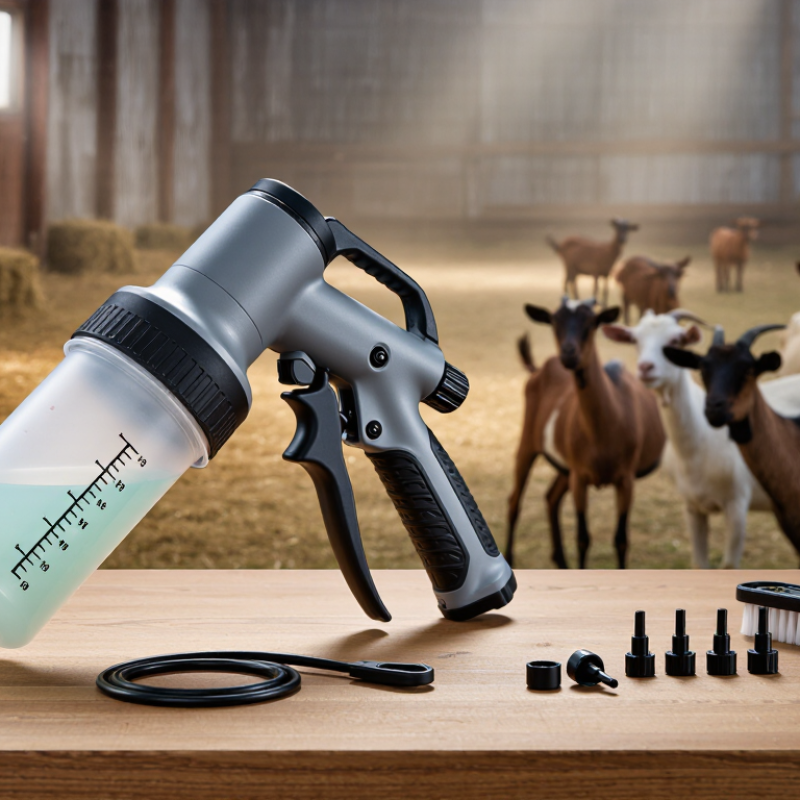
A goat deworming drencher is a handheld device for delivering liquid medicine by mouth. It usually has a bottle, dosing chamber, trigger, and adjustable plunger. The plunger measures a selected volume, while the nozzle guides the liquid behind the tongue. It does not kill worms itself. The medicine does that work inside the animal.

Correct dosing depends on body weight, product instructions, and veterinary advice. A drencher that delivers 10 milliliters accurately can reduce waste and underdosing risks. The operator should restrain the goat gently and keep its head level. Forcing liquid into the airway can cause aspiration. Small details matter. Cleaning the nozzle also helps prevent contamination between animals.

FAOSTAT data for 2022 recorded more than 1.1 billion goats worldwide, showing the scale of this equipment market. Veterinary parasitology reports also describe widespread anthelmintic resistance in many goat-producing regions. Therefore, a reliable drencher cannot replace fecal testing, treatment records, or professional guidance. Buyers should check calibration, seal quality, dose range, spare parts, and compatibility with approved formulations. A transparent barrel helps users observe air bubbles and incomplete filling. Yet, even good equipment can be misused. That uncomfortable point deserves attention. A cheaper device may appear efficient, but inaccurate dosing can create higher costs later.

Key Features of Top Goat Drenchers for Global Buyers

For global buyers in 2026, a goat drenching tool should support accurate, calm, and repeatable treatment.

The best designs deliver steady liquid flow without forcing the plunger. A transparent chamber helps workers check the dose before use. Comfort matters too. Rounded nozzles reduce mouth injuries during routine handling. A lightweight body is valuable during long farm visits.

Look for adjustable dose control that matches the animal’s measured weight and the product label. It should accept common veterinary formulations and clean easily between goats. Food-grade, corrosion-resistant materials can withstand frequent washing and changing farm conditions. A secure plunger reduces leakage during transport. Clear markings remain important in bright sunlight, dust, or wet weather. However, marketing claims are not enough; independent testing and veterinary review deserve greater attention.

Reliable suppliers provide calibration guidance, cleaning instructions, replacement parts, and traceable production records. Buyers should also confirm local veterinary rules, language requirements, and approved medicine compatibility.

Veterinary professionals can verify dosing procedures and animal-handling practices before field use. I would test the drencher with water first, then inspect its seal after repeated strokes. No drenching tool is perfect. Small leaks, stiff triggers, or unclear markings can slow treatment and invite mistakes. That weakness should be documented, not hidden.

How to Compare Drenching Methods, Capacity, and Animal Safety

2026 Top Goat Deworming Drenchers for Global Buyers

Choosing a goat drenching method requires more than comparing prices. Manual syringes suit small herds and offer direct control during treatment. Bottle-mounted or repeat-dose systems can improve speed when many animals need handling. However, faster equipment may encourage rushed dosing, especially when goats move suddenly.

Capacity should match the farm’s working rhythm. A 30-millilitre chamber may fit young goats, while larger chambers reduce refilling for mature animals. Adjustable dosing is useful, but only when the scale remains clear and stable. In field evaluations, poor calibration caused more concern than low capacity. Check seals, plunger movement, and nozzle design before purchase. A smooth, rounded nozzle lowers the chance of mouth injuries. Animal restraint still matters. Even a well-designed drencher can cause harm when inserted forcefully or at the wrong angle.

Tips: Compare the drencher with your usual handling system, not an ideal one. Test a filled unit for leaks before treatment day. Confirm the dose with a veterinarian and follow the approved product instructions. Clean the device between groups, then let it dry fully. I once underestimated how tiring repeated squeezing could become; operator fatigue can affect dose accuracy. Consider grip comfort, replacement parts, measurement visibility, and local service access. A high-capacity model is not automatically safer or better.

Choosing the Right Goat Dewormer for Farm Size and Use Conditions

In 2026, global goat buyers are comparing deworming drenchers by farm size and working conditions, not appearance alone.

A small family herd may need a lightweight, adjustable gun for occasional treatments. It should fit different goat sizes and deliver repeatable volumes. Fit matters. A crowded commercial yard needs stronger construction, quick refilling, and easy cleaning between pens. Clear graduations help reduce dosing mistakes when several workers share one tool.

Use conditions also influence the choice. Dusty, hot farms benefit from corrosion-resistant parts and flexible seals. Cold regions need materials that resist stiffening. For mobile teams, a compact drencher with a protected nozzle is easier to carry.

Limited water access makes simple designs more practical. Yet “easy to clean” is not always true. Narrow channels may retain residue. Inspect them after every session.

Dose accuracy depends on the medicine, goat weight, and veterinary directions, not the drenching device alone. Calibrate it with clean water before use, then check the setting regularly. Follow local medicine rules and withdrawal requirements. Train workers to restrain goats calmly and direct liquid safely into the mouth. Larger farms may justify spare seals and maintenance records. Smaller farms may prefer fewer features and better hand control.

I would test any new drencher on a quiet day, because specifications can miss handling problems.

Global Buying Factors: Quality, Compliance, Shipping, and Support

Global buyers choosing goat deworming drenchers in 2026 should inspect quality beyond appearance. A reliable unit should deliver a steady dose without leaking around the nozzle or handle. Food-grade, chemical-resistant materials help protect equipment during repeated farm use. A clear barrel makes dose checking easier, especially in low-light sheds. Small details matter. Buyers should request calibration data, cleaning instructions, and batch-level quality records before placing large orders.

Compliance varies by destination. The drencher itself may require material declarations, safety documents, or import paperwork. Any related veterinary product must follow local rules and professional guidance. Sellers should provide accurate invoices, packing lists, product specifications, and country-of-origin information. A qualified veterinarian or agricultural authority can clarify acceptable use. Generic claims about treating every parasite are unreliable and should raise concern.

Shipping needs practical planning. Confirm carton dimensions, spare-part availability, delivery terms, and customs responsibilities in writing. A damaged tip can delay treatment during a busy kidding season. Strong packaging and replaceable seals reduce that risk. Support should include quick technical replies, videos, and access to compatible parts. Time-zone delays can be frustrating. No supplier handles every problem perfectly, so buyers should test communication before ordering. A small pilot shipment may reveal calibration issues, unclear instructions, or unexpected freight costs before a larger commitment.

2026 Top Goat Deworming Drenchers for Global Buyers

Global goat population by region supports procurement planning for quality, compliance, shipping, and technical support.

Asia and Africa account for the majority of the world’s goats, making them the largest potential demand regions for oral drenching equipment and veterinary medicines. Global buyers should verify active-ingredient labeling, target-species approval, residue and withdrawal requirements, packaging integrity, export documentation, delivery conditions, and after-sales technical support before purchasing.

Data source: FAOSTAT, livestock stocks database. Regional values are rounded estimates for 2022 and are shown in millions of goats.

FAQS

What is a goat deworming drencher?

It is a handheld device for giving liquid medicine by mouth. It does not kill worms itself. The medicine does.

How does a drencher deliver medicine?

Its bottle, dosing chamber, trigger, and plunger control the liquid volume. The nozzle guides medicine behind the goat’s tongue.

How can users improve dosing accuracy?

Weigh the goat and follow the medicine instructions. Veterinary advice also matters. Check the dose before every use.

How should a goat be positioned during treatment?

Restrain the goat gently and keep its head level. Avoid forcing liquid into the airway. Aspiration can cause serious harm.

What features should buyers look for?

Choose clear dose markings, adjustable control, a secure seal, and a comfortable nozzle. Lightweight designs help during long farm visits.

Why is a transparent dosing chamber useful?

It helps users see air bubbles and incomplete filling. Clear markings remain useful in bright sunlight or wet conditions.

How should a drencher be cleaned?

Clean the nozzle between goats to reduce contamination. Use materials that tolerate frequent washing. Inspect the seal after repeated strokes.

Can a reliable drencher replace veterinary testing?

No. Fecal testing, treatment records, and professional guidance remain important. Resistance can make routine treatment less effective.

What should buyers check before purchasing?

Check calibration guidance, dose range, spare parts, seal quality, and medicine compatibility. Confirm local veterinary requirements and language needs.

Are cheaper drenchers always a better choice?

Not necessarily. Inaccurate dosing may create higher costs later. Small leaks and stiff triggers deserve documentation, not concealment. No tool is perfect.

Conclusion

Goat Deworming Drencher is a practical tool designed to deliver measured oral treatments to goats in a controlled and efficient way. By helping administer the correct amount of approved deworming medication, it can support consistent herd care while reducing waste and handling stress. Top models for global buyers typically feature accurate dosing, smooth operation, durable materials, comfortable grips, and components that are easy to clean and maintain.

When comparing drenchers, buyers should consider manual or automatic operation, dose range, capacity, delivery speed, animal safety, and suitability for different goat sizes. Small farms may prefer a simple, portable unit, while larger operations may benefit from higher capacity and faster refilling. Purchasing decisions should also include product quality, manufacturing consistency, clear instructions, regulatory compliance in the destination market, secure packaging, shipping reliability, spare parts, and responsive technical support. Proper use should always follow veterinary guidance and the approved label instructions for the selected treatment.


Aria

Aria

Aria is a dedicated marketing professional with a deep passion for innovative strategies and a keen understanding of our company's product offerings. With a wealth of experience in the industry, Aria excels at crafting engaging content that highlights the unique features and benefits of our......