The global landscape of animal healthcare is evolving rapidly, particularly in the area of syringes. According to a report by Market Research Future, the animal healthcare syringe market is projected to witness a CAGR of 6.8% from 2021 to 2026. This growth reflects the increasing emphasis on preventive care and efficient treatment protocols for pets and livestock alike.
Dr. Emily Hart, an esteemed expert in veterinary medicine, states, "The right animal healthcare syringe not only enhances treatment efficacy but also ensures animal comfort." This perspective underlines the critical role that high-quality syringes play in animal health. Features such as needle gauge, volume capacity, and user-friendly design impact both veterinary outcomes and animal welfare.
As buyers prepare for 2026, understanding the diverse options available is key. Factors to consider include the syringe's material, design, and adaptability to various veterinary practices. Yet, challenges exist in navigating quality standards and price variations across regions. This landscape requires careful reflection and strategic planning for stakeholders in the animal healthcare industry.
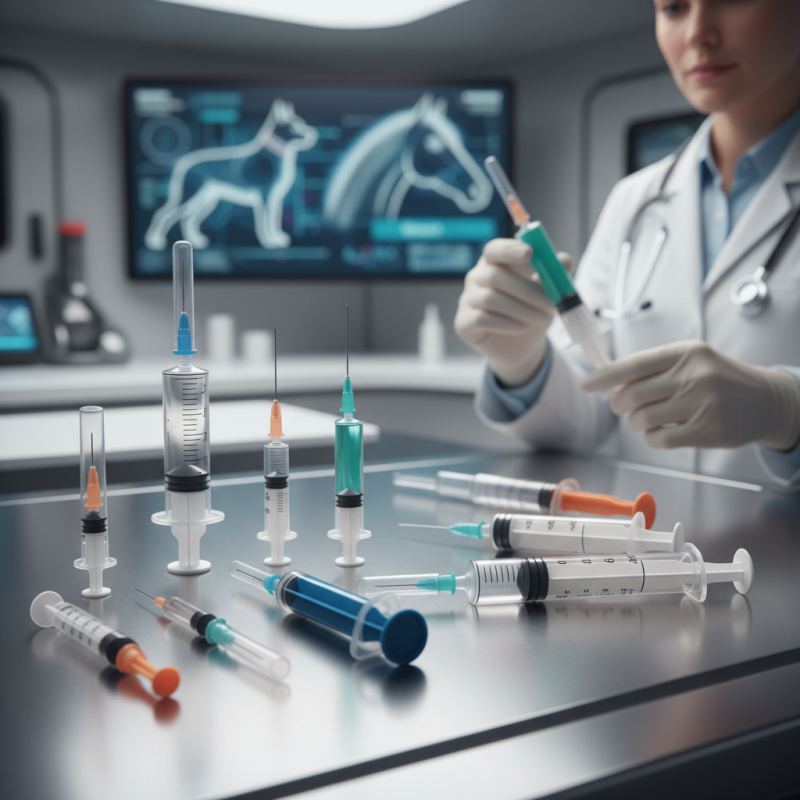
Top Trends in Animal Healthcare Syringes for 2026 Global Market
The landscape of animal healthcare syringes is evolving rapidly. In 2026, customizability is becoming a key trend. Many veterinarians now seek syringes that can be tailored to specific animal needs. Standard syringes may not suit all animals, especially in diverse practice settings.
Additionally, the rise of digital technologies plays a significant role. Smart syringes equipped with tracking features can improve both accuracy and efficiency. Monitoring dosage is crucial for both safety and effectiveness. However, integrating such technology can be challenging and costly for smaller clinics.
Sustainability is another trend shaping the market. Eco-friendly materials are gaining traction. Disposable syringes made from biodegradable materials can help reduce plastic waste. Yet, the balance between cost-effectiveness and environmental responsibility often raises questions. The journey towards sustainability may not be straightforward, but it is essential for the future.
Market Share Analysis of Leading Syringe Manufacturers in Animal Healthcare
As the animal healthcare market continues to flourish, understanding the competitive landscape of syringe manufacturers becomes crucial. A diverse range of manufacturers is contributing to this growth, each specializing in unique aspects of animal syringe technology. Many leaders in this field focus on innovation to enhance efficacy and safety.
The market share of syringe manufacturers can be influenced by regional demands and technological advancements. For example, some regions may prefer specific designs tailored for livestock, while others focus on small pets. The need for easy-to-use syringes with precision dosing is rising. Additionally, safety features, such as retractable needles, are gaining traction.
However, challenges remain. Not all manufacturers meet strict quality regulations. This inconsistency can affect animal welfare and healthcare outcomes. Buyers must remain vigilant in researching the credibility and reliability of syringe suppliers. An informed choice ensures that healthcare providers can deliver the best care possible for animals.
Innovations in Syringe Design: Enhancing Efficiency in Veterinary Practices
The veterinary field is witnessing significant advancements in syringe design. New technologies aim to improve the efficiency of animal healthcare. These innovations focus on creating syringes that are easier to use. They often feature ergonomic designs that enhance grip and precision. This is crucial for both small and large animals.
Some syringes now offer adjustable dosages. This allows veterinarians to tailor treatments more effectively. Additionally, materials used in manufacturing are becoming more reliable. They can prevent leakage and ensure accurate dosing. However, not all designs are perfect. Some veterinarians express concerns about usability in high-pressure environments.
Syringe disposal remains a challenge. Many designs emphasize ease of use but overlook the disposal aspect. Effective disposal methods are essential for maintaining a safe environment. Despite improvements, further innovation is needed to address these lingering issues. The veterinary community continues to seek solutions that enhance patient care without compromising safety.
Regulatory Standards Impacting Animal Syringe Production and Distribution
Regulatory standards play a crucial role in the production and distribution of animal healthcare syringes.
These standards ensure that syringes are safe, effective, and reliable. Compliance with these regulations is not optional but essential for manufacturers aiming to enter international markets.
Different countries have varying requirements for syringe production. For instance, materials must meet specific safety protocols to prevent contamination. Manufacturers must also adhere to guidelines on sterility and packaging. These factors add complexity to the production process. Furthermore, oversight agencies often conduct inspections, which can lead to delays if standards are not met.
Additionally, it's important to recognize that the regulatory landscape is constantly evolving. New findings on materials and procedures can trigger changes in guidelines. This presents both challenges and opportunities for manufacturers. They must stay informed and adaptable. The necessity of compliance may lead to increased production costs. Companies need to balance this with the desire for innovation. It’s a tough but necessary dance in the ever-shifting world of animal healthcare.
Future Projections: Growth Rate and Demand for Animal Healthcare Syringes in 2026
The demand for animal healthcare syringes is projected to grow significantly by 2026. This rise is driven by increasing pet ownership and the expanding livestock sector. Veterinary practices will need efficient, reliable syringes to ensure quality care. Many clinics face challenges in maintaining adequate supplies. Ensuring that practices have what they need is essential.
Growth in the global animal healthcare market can also be linked to advancements in syringe technology. Users are looking for precision instruments that minimize discomfort. Solutions that enhance usability can improve overall veterinary practices. However, not all syringes meet these evolving needs. Cost and availability remain common concerns for clinics worldwide.
Another factor shaping the market will be regional differences in demand. Areas with booming agricultural sectors will likely experience higher needs. On the other hand, urban regions may focus more on pet care. It’s hard to predict the exact rates of change, but awareness is key. Prioritizing reliable sourcing could help mitigate future shortages. Therefore, understanding these dynamics is crucial for stakeholders in this field.
Top Animal Healthcare Syringes for Global Buyers in 2026
| Region |
Market Share (%) |
Growth Rate (%) |
Demand (Million Units) |
Key Drivers |
| North America |
35% |
8% |
50 |
Increasing pet ownership |
| Europe |
30% |
7% |
40 |
Veterinary advancements |
| Asia-Pacific |
25% |
10% |
60 |
Growing livestock market |
| Latin America |
5% |
6% |
15 |
Increasing veterinary services |
| Middle East & Africa |
5% |
5% |
10 |
Increasing demand for healthcare |
Conclusion
The article "Top Animal Healthcare Syringes for Global Buyers in 2026?" explores the emerging trends and innovations shaping the market for Animal Healthcare Syringes. It highlights key trends that are set to influence the global market in 2026, focusing on market share analysis of leading syringe manufacturers and the new designs that enhance efficiency in veterinary practices. The regulatory standards impacting the production and distribution of these syringes are also discussed, underlining the importance of compliance for manufacturers.
Additionally, the article presents future projections regarding the growth rate and demand for Animal Healthcare Syringes, suggesting a significant upward trend as the veterinary industry continues to evolve. The insights provided will be crucial for global buyers looking to navigate the changing landscape of animal healthcare and make informed purchasing decisions in the coming years.

 WANJIA