A Calf Feeding Tube is a flexible device used to deliver milk, colostrum, or electrolyte solution to a young calf that cannot nurse effectively. It usually has a rounded tip, a tube, and a container or funnel. When positioned correctly, the tube passes through the mouth and esophagus. The liquid then enters the forestomach, where digestion begins differently from normal nursing.
It sounds straightforward. It is not risk-free. A trained caregiver should keep the calf calm, hold its head in a natural position, and allow it to swallow before advancing the tube. Forcing the tube may cause injury or place it near the airway. A properly placed tube often feels smooth, while coughing, choking, or unusual resistance signals a problem. Stop immediately if these signs appear.
Clean equipment matters. Wash the tube after every use, inspect it for cracks, and use liquid at a suitable temperature. Colostrum quality and timing also affect a newborn calf’s health, so feeding technique cannot correct poor nutrition alone. Veterinary or experienced farm guidance is especially important when the calf is weak, bloated, cold, or unable to swallow.
This article explains how a Calf Feeding Tube works, when it may help, and which handling details deserve attention. It also recognizes an uncomfortable truth: mistakes can happen during a stressful feeding. Careful observation, patient handling, and professional advice make the process safer and more reliable.
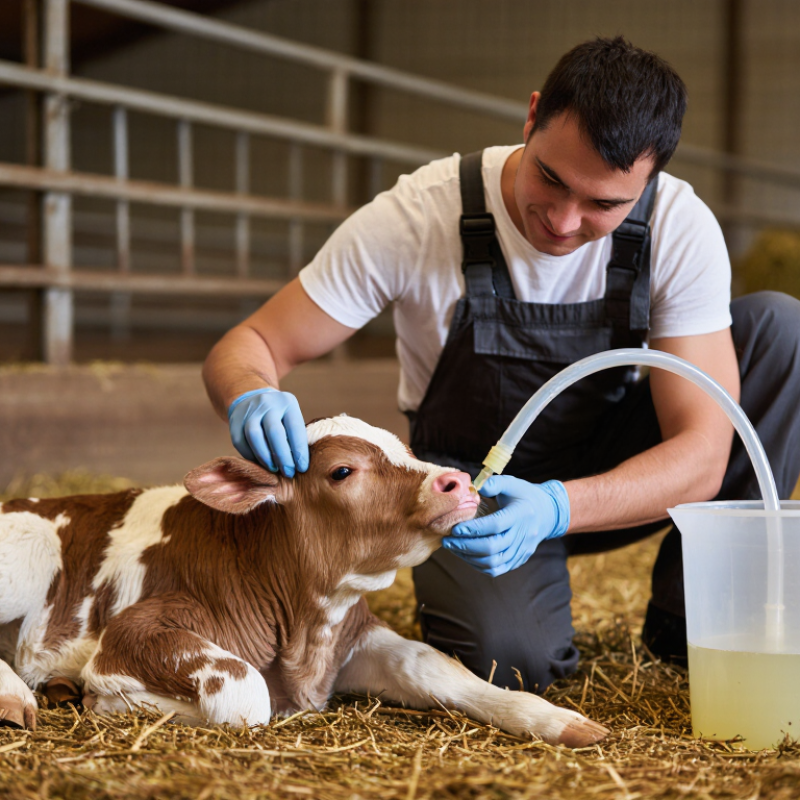
A calf feeding tube is a flexible device used to deliver colostrum, milk, or prescribed fluids into a calf’s stomach. It can help when a newborn is too weak to suck, refuses a bottle, or has poor swallowing coordination. The tube usually passes through the mouth and down the esophagus, allowing liquid to flow directly into the stomach. Its purpose is supportive, not curative. The underlying problem still needs attention.
Correct placement matters greatly. A trained caregiver should estimate the proper length, keep the calf’s head in a natural position, and check that the tube is not entering the airway. Never force it. Coughing, struggling, breathing changes, or unusual distress require immediate removal and veterinary guidance. Liquid entering the lungs can cause severe complications. Timing also matters, especially when providing early colostrum after birth.
A measured feeding can feel straightforward. It is not always. A weak calf may have dehydration, infection, chilling, or a digestive problem that tubing cannot solve. Clean equipment, accurate fluid volumes, and calm handling reduce avoidable risks. Veterinarians or experienced livestock professionals should guide first-time users, particularly when the calf cannot swallow normally. A feeding tube is a useful tool, but its safe value depends on assessment, technique, and follow-up.
It delivers fluids when a weak calf cannot suck effectively. It may provide colostrum, milk, or electrolyte solutions. It is only a delivery tool.
Keep the calf standing and upright. Hold its head naturally, without sharp extension. Measure from the nose toward the last rib. Moisten the rounded end. Guide it gently over the tongue. Never force resistance.
The calf should swallow and breathe normally. You may feel the tube along the neck. Persistent coughing suggests danger. One sign is not enough. When uncertain, pause and seek trained help.
Stop if the calf coughs, struggles, or breathes differently. Fluid from the mouth or nose is also serious. Withdraw the tube calmly. Contact a veterinarian promptly.
Fluid choice depends on the calf’s condition. Electrolytes commonly support dehydration. Milk feeding by tube needs veterinary guidance. The liquid may enter the forestomach, not the normal nursing route.
Feed slowly and keep the calf upright. Watch its breathing and behavior. Do not rush because the container is ready. Small details matter.
Wash it with warm water immediately. Remove residue inside and outside. Use an approved cleaning solution as directed. Rinse thoroughly. Let it air-dry completely. Store it in a clean, dry container.
Leftover milk can support harmful bacterial growth. An unclean tube should never be shared between calves. A hard, swollen abdomen may indicate overfeeding or poor passage. These warning signs need prompt assessment.
No. A tube cannot correct chilling, infection, or severe weakness. Continuing to tube a calf that cannot swallow normally may worsen the situation. That deserves honest reflection. Veterinary attention is safer.
A Calf Feeding Tube is a veterinary tool used to provide colostrum, milk, electrolytes, or prescribed fluids to a calf that is too weak, unwilling, or unable to drink normally. It generally includes a flexible tube, a rounded feeding tip, and a container or syringe for holding the liquid. Different designs may vary in length, diameter, and delivery method, but all should be suitable for calves and used according to professional guidance.
During feeding, the calf should be calm, upright, and properly restrained. The tube is carefully guided through the mouth and into the esophagus, never forced, while its position is checked before liquid is delivered slowly. After use, the equipment should be rinsed, washed, disinfected, and dried thoroughly to reduce contamination. Improper placement, excessive pressure, or unsuitable fluids can cause coughing, choking, aspiration, injury, or digestive problems. Stop immediately if the calf struggles severely, develops breathing difficulty, repeatedly coughs, becomes bloated, or refuses fluids, and contact a veterinarian for assistance.

 WANJIA