Choosing the right Balling Gun is crucial for achieving optimal results in your work. John Smith, a leading expert in the field, once said, "The best tools enhance your craft." This insight underlines the importance of selecting the right equipment.
A Balling Gun should fit your specific needs and preferences. Consider factors like size, weight, and ease of use. Each feature can greatly impact your performance. For instance, a lightweight model allows for greater maneuverability, while a more robust design provides stability.
Reflecting on your past experiences with different Balling Guns can also be beneficial. Did certain features frustrate you? Did others enhance your performance? Understanding these aspects will guide you in making a more informed choice. The journey to selecting the best Balling Gun involves both research and self-reflection, ensuring that your decision aligns with your professional goals.
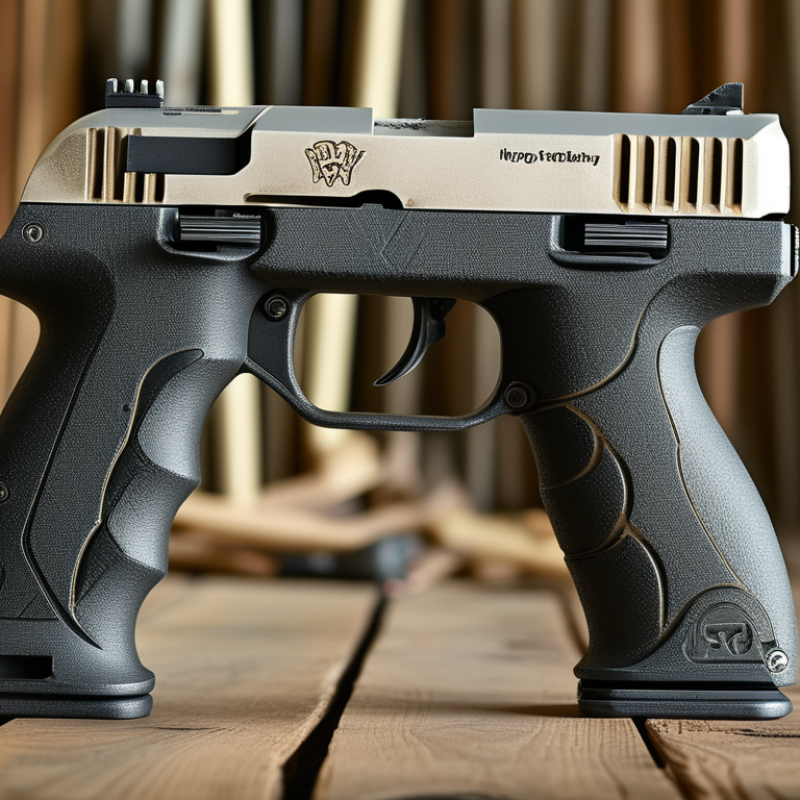
When selecting a balling gun, understanding the types available is essential. There are different designs created for various applications. For example, some models are geared towards heavier materials, while others focus on precision for lighter tasks. Most balling guns use a simple mechanism, making them easy to handle. This allows users to work more efficiently.
Consider the materials used in the construction of a balling gun. Some may be made from lighter plastics, while others feature durable metals. Each type has its pros and cons. A lighter gun might be easier to maneuver but could lack the durability of a metal model.
It's also important to think about the size and weight that best fits your needs. A compact option might seem appealing for storage, but it may not perform well for larger projects. Many users find that trying different options in hands-on settings helps in making the right choice. Remember, the best tool is one that matches your specific tasks and preferences, which can involve some trial and error.
When selecting a balling gun, consider the size and weight. A lightweight model is easier to handle and can improve accuracy. Look for a comfortable grip that fits your hand well. This feature can reduce fatigue during prolonged use.
Tip: Always test the gun before purchase. This ensures it feels right in your hands. Pay attention to the balance. A well-balanced gun shoots more smoothly.
Next, evaluate the material quality. Durable constructions will withstand regular use. Check for rust resistance and ease of maintenance. Poor material can lead to frequent replacements.
Tip: Research common issues with different materials. Knowing potential drawbacks helps in making an informed choice. Trust user reviews to gauge reliability.
Think about adjustable features. Some guns allow you to tweak the pressure or speed. Customization can enhance your experience, but complexity can also be a downside. Simplicity may be more effective for beginners.
Tip: Start with the basics. As you gain experience, seek advanced features to improve your skills. This gradual approach can help you avoid overwhelming frustration.
| Feature | Importance | Description | Recommended Value |
|---|---|---|---|
| Material Quality | High | Durable and resistant to wear and tear. | Stainless Steel |
| Ergonomic Design | Medium | Comfortable grip to reduce hand fatigue during extended use. | Curved Handle |
| Pressure Compatibility | High | Ability to handle different pressure levels for various applications. | Up to 100 PSI |
| Nozzle Size | Medium | Different sizes available for precision application. | 1.5 mm to 3 mm |
| Ease of Cleaning | High | Must be easy to disassemble and clean after use. | Removable Parts |
| Weight | Low | Lightweight for better control and less fatigue. | Under 1 kg |
When selecting a balling gun, understanding your specific needs is essential. Consider what you intend to use it for. Are you looking for precision in small projects, or will it handle larger tasks? Each use case might require different features, such as nozzle size or material durability. Assessing the application helps to narrow your choices.
Another factor is frequency of use. If you plan on using the balling gun regularly, investing in quality is wise. An affordable model may suffice for occasional use. However, if your work demands reliability, prioritize durability. Researching user reviews can offer insight into performance. Yet, remember that experiences vary and not every review reflects your needs.
Moreover, consider ergonomics and ease of handling. A comfortable grip can enhance your experience, especially during prolonged usage. Testing different models can reveal what feels right in your hands. Reflection on past experiences can guide your choice. Have you faced issues before? Recognizing these can aid in selecting a better-suited balling gun.
When selecting a balling gun, assessing its
quality and durability is crucial. A sturdy build ensures longevity, especially under
frequent use. High-quality materials, such as stainless steel
or robust plastics, resist wear and tear effectively. Look for models with reinforced
joints and robust seals. These features indicate a design that can withstand demanding conditions.
In testing balling guns, check how they perform under pressure. A reliable model maintains
a consistent flow, crucial for efficiency. You should also consider ease of maintenance.
Some guns are easier to clean and service than others. Regular maintenance prevents wear and
extends the tool’s lifespan.
User reviews also play a significant role in understanding durability. Feedback often reveals
hidden issues and potential weaknesses. It’s important to weigh both positive and negative
experiences. A thorough research process can guide you toward a choice that meets your needs
effectively. Balancing quality with your specific requirements will lead to better satisfaction
in the long run.
When selecting a balling gun, budget plays a crucial role. Prices can vary significantly, typically ranging from $50 to $300. A report by the American Shooting Sports Foundation indicates that consumers prioritize affordability without compromising quality. Many users seek a balance between price and performance, often opting for models in the mid-range.
In addition to upfront costs, consider ongoing expenses. Maintenance and accessories can add to the total. Research indicates that up to 30% of users underestimate these costs. Therefore, understanding the long-term financial commitment is essential. A balling gun may seem affordable at first, but hidden costs can arise.
While affordability is vital, it shouldn't overshadow quality. Selecting a reliable model ensures safety and effectiveness. Investing in a well-reviewed gun may save money in the long run. Expert opinions suggest that spending slightly more on a dependable device often yields better results, avoiding the pitfalls of cheap alternatives. Ultimately, aligning your budget with your specific needs is essential for making an informed decision.
: Choose a lightweight model for better handling and accuracy. It is less tiring to use.
Always test the gun before purchasing. A comfortable grip is vital for prolonged use.
Durable materials resist wear and tear. Poor materials may require frequent replacements.
Consider adjustable features for pressure or speed. Simplicity may be better for beginners.
Assess what tasks you'll use it for. Different projects may require varying features.
For regular use, invest in a quality model. Affordable options are fine for occasional use.
Reviews provide insights into performance. However, personal experiences may differ widely.
Look for sturdy builds and high-quality materials. Reinforced joints indicate a reliable design.
Easy cleaning prevents wear and extends lifespan. Regular upkeep is key for reliable performance.
Reflect on past experiences. Recognizing problems can help you choose a better-suited model.
When selecting the best Balling Gun for your needs, it's essential to understand the different types available in the market. Each type offers unique features that cater to various functions and preferences. Key factors to consider include essential features such as ease of use, precision, and compatibility with your specific applications.
Moreover, assessing your specific needs and usage scenarios will help you determine which model is most suitable. Evaluating the quality and durability of the Balling Guns is also crucial, as investing in a reliable product ensures long-term satisfaction. Lastly, conducting a price comparison and considering your budget will allow you to make a well-informed decision without compromising on quality.

WANJIA