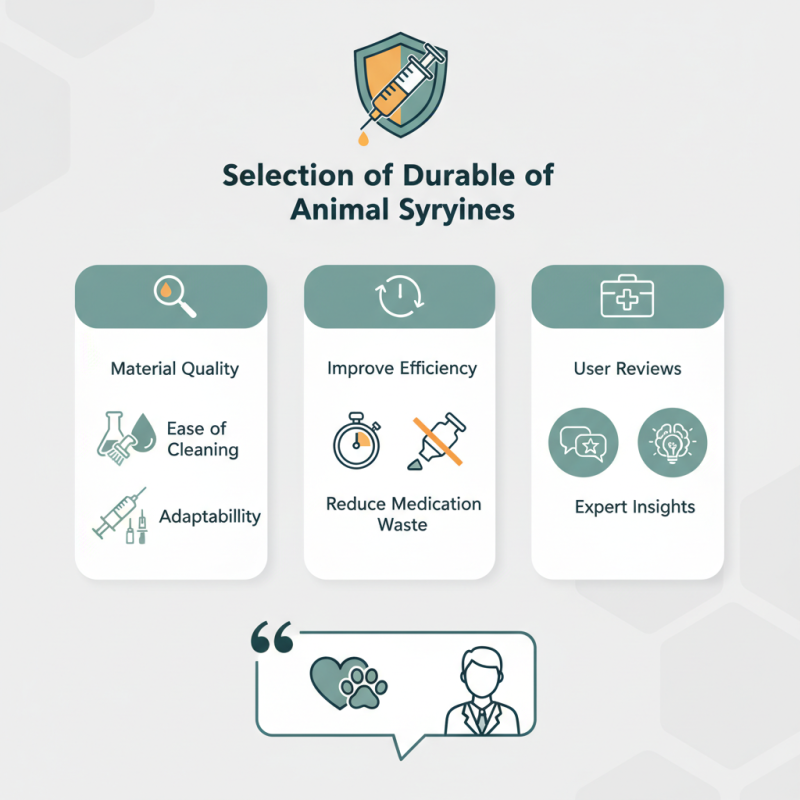
When selecting a Durable Animal Syringe, the choice can impact veterinary practices significantly. According to Dr. Jennifer Hart, a renowned veterinarian, “Investing in the right syringe can save time and improve care.” This highlights the crucial role of effective tools in animal health.
A Durable Animal Syringe is designed for reliability and longevity. These syringes must withstand frequent use in demanding environments. Features to consider include material quality, ease of cleaning, and adaptability to different medication types. A strong syringe can improve efficiency and reduce medication waste. Yet, not all products meet the necessary standards, making careful selection essential.
Veterinarians often overlook the importance of durability in syringes. A poorly designed syringe can lead to frustrating experiences, affecting patient care. Remember, not every option marketed as ‘durable’ truly delivers. Scrutinizing user reviews and seeking expert insights can illuminate the best choices available.
Durability is paramount for animal syringes. A report from the Veterinary Medical Association states that over 30% of veterinarians face issues due to syringe failures. These failures can lead to inefficient delivery of medications, causing delays in treatment. A durable syringe withstands the rigors of veterinary practices. It minimizes the risk of breakage during use.
Choosing the right materials is crucial. High-quality plastics and stainless steel offer strength and longevity. Research indicates that syringes with reinforced designs can last up to 50% longer than standard models in clinical settings. This is essential for busy veterinary offices where reliability is key. Additionally, a sturdy syringe helps reduce waste and helps maintain costs.
Proper maintenance can also enhance durability. Regular inspections and cleaning help identify wear and tear. It's crucial to follow best practices to avoid unexpected failures. Neglecting maintenance leads to poor performance. Inconsistent syringe quality can compromise care, affecting the bond between veterinarians and their clients. Understanding these issues helps in selecting the best syringes for the task.
When selecting a durable animal syringe, consider key features that enhance usability and longevity. Material is crucial—look for syringes made of strong, high-quality plastic or stainless steel. These materials resist breakage and can withstand multiple uses. Additionally, a syringe with a non-slip grip ensures comfort during administration. This is especially important when working with larger animals.
The volume capacity is another critical aspect. Choose a syringe that holds an appropriate amount for your intended applications. A syringe with clear measurement markings allows for accurate dosing. Visualizing the dosage can prevent mistakes that could harm an animal. Another feature to consider is the needle type. A needle designed for minimal resistance enhances fluid flow. This characteristic improves efficiency during injections, making the process smoother for both the handler and the animal.
Finally, look for syringes easy to clean and sterilize. A design that minimizes crevices prevents bacteria buildup. These details are often overlooked but are essential for maintaining hygiene standards. Balancing durability with functionality takes time and reflection, ensuring the chosen syringe meets both practical and safety needs.
When selecting a durable animal syringe, the materials and construction techniques play a significant role. Quality plastics and metals are commonly used. High-grade stainless steel offers longevity and resistance to corrosion. It is essential to choose syringes with solid seals to prevent leakage. Durable O-rings contribute to the syringe’s lifespan, ensuring they maintain a good fit.
Tips: Look for syringes with ergonomic designs. They provide better grip and control during use. Ensure the plunger moves smoothly, making your tasks easier.
Reinforced construction can also prevent breakage. Some syringes feature a double-wall design. Though these may be heavier, they are often more resilient. Consider weight versus durability when making a choice.
Think about how often you’ll use the syringe. A less durable option might suffice for occasional tasks. Always examine the syringe for signs of wear or damage. Regular maintenance can enhance its life.
| Material | Durability Score (1-10) | Resistance to Chemicals | Ease of Cleaning | Cost ($) |
|---|---|---|---|---|
| Stainless Steel | 9 | High | Easy | 50 |
| Plastic | 6 | Medium | Moderate | 15 |
| Glass | 8 | High | Easy | 30 |
| Rubber | 5 | Low | Difficult | 10 |
| Aluminum | 7 | Medium | Moderate | 25 |
Choosing the right size and type of animal syringe is crucial for effective use. One must consider the specific needs of the animal. For smaller pets like cats and small dogs, a syringe with a low capacity—generally 1 to 5 ml—is often sufficient. These syringes allow for precise dosages, minimizing the risk of over-medication. Data from the Journal of Veterinary Emergency and Critical Care indicate that accuracy in dosage not only improves health outcomes but also enhances the trust between the caretaker and the animal.
On the other hand, larger animals such as horses or cattle require syringes of significantly higher capacities, often ranging from 20 ml to 60 ml. It's vital to choose a syringe that accommodates the volume of medication needed without overwhelming the animal. According to veterinary guidelines, improper sizing can lead to stress and ineffective treatment. A study found that 45% of veterinary practitioners reported syringe-related issues due to incorrect sizing, highlighting the importance of careful consideration.
Material choice is another element to ponder. Disposable plastic syringes are common, yet reusable stainless-steel options are available. They are more durable and can help reduce waste. However, their cleaning may be overlooked. An industry survey revealed that 30% of practitioners do not follow proper cleaning protocols, potentially compromising hygiene. Balancing durability, efficiency, and animal comfort is key—yet requires continuous reflection on best practices.
Maintaining a durable animal syringe is vital for its longevity. Regular cleaning is essential after each use. Rinse the syringe with warm water to remove any residues. Use a mild detergent if needed. It's crucial to avoid harsh chemicals that could damage the syringe material. Sometimes, I forget this step, and it affects performance. Small residues may lead to clogs or inaccurate dosing.
Inspect your syringe regularly for signs of wear. Check the plunger for smooth movement. A sticking plunger can hinder your efficiency. If it doesn't glide smoothly, it may need lubrication. Using a silicone-based lubricant can enhance functionality. However, I often overlook this and realize it only when facing issues during critical moments.
Proper storage is another key factor. Keep the syringe in a dry, cool place. Extreme temperatures can weaken the materials. I’ve noticed my syringe does not perform well when it’s stored improperly. It’s a reminder that attention to detail can prevent many problems. Taking these steps will significantly maximize the lifespan of your syringe, ensuring it remains ready for reliable use.
: Look for strong plastic or stainless steel. These materials resist breakage and last longer.
A non-slip grip ensures comfort when administering injections, especially for larger animals.
Choose a syringe with clear measurement markings. Visualizing dosage helps prevent harmful mistakes.
A needle designed for minimal resistance enhances fluid flow, making injections smoother for the animal.
Rinse it with warm water after each use. Use mild detergent but avoid harsh chemicals.
Check for a sticking plunger or any wear. Smooth movement is essential for efficiency.
Keep it in a dry, cool place. Extreme temperatures can weaken the materials and affect performance.
Don’t forget to clean or lubricate regularly. Overlooking these steps can lead to performance issues.
Use silicone-based lubricant only. Other types can damage the syringe's material.
Proper cleaning and design prevent bacteria buildup. Neglecting this can affect animal health and safety.
Choosing a durable animal syringe is crucial for efficient use in veterinary practice or animal care. Durability ensures that the syringe can withstand regular use, reducing the need for frequent replacements and ultimately saving time and resources. Key features to look for include robust materials, ergonomic design, and a construction that allows for easy cleaning and maintenance.
Attention to the materials and construction techniques used in the syringe can significantly enhance its longevity. Selecting the right size and type suited for specific animal needs also impacts the effectiveness of the syringe. Additionally, regular maintenance, such as proper cleaning and safe storage, plays a vital role in maximizing the lifespan of a durable animal syringe, ensuring it remains a reliable tool in caring for animals.

WANJIA