Choosing a Pour-On Applicator for global sourcing is not simply a price comparison. It is a practical decision involving dosage control, animal handling, materials, and supply reliability. A suitable applicator should deliver consistent volumes, fit the product container, and remain comfortable during repeated use.
Dr. Temple Grandin, a respected livestock-handling specialist, offers a useful reminder: “You have to use your eyes.” Buyers should inspect the applicator’s trigger, hose, seals, nozzle, and calibration marks. A product may look efficient in a catalog. Field use can reveal leaks, stiff handles, or uneven dosing. Small faults matter.
Global sourcing adds further questions. Can the supplier provide stable batches? Are technical drawings and material specifications available? Does the device tolerate heat, dust, and long-distance shipping? The answer should be documented, not assumed. Compatibility with the intended formulation also deserves careful review, especially when chemicals may affect rubber seals or plastic components.
Cost still matters. Yet the cheapest Pour-On Applicator may create waste, rework, or treatment inconsistency. That is not always obvious at the purchasing stage. Buyers should request samples, test several application cycles, and compare actual performance with the supplier’s claims. One test is helpful, but probably not enough.
A reliable sourcing decision combines hands-on experience, technical evidence, supplier communication, and responsible compliance checks. There is no perfect applicator for every market. The better choice is the one that performs predictably in the real conditions where people and animals will use it.
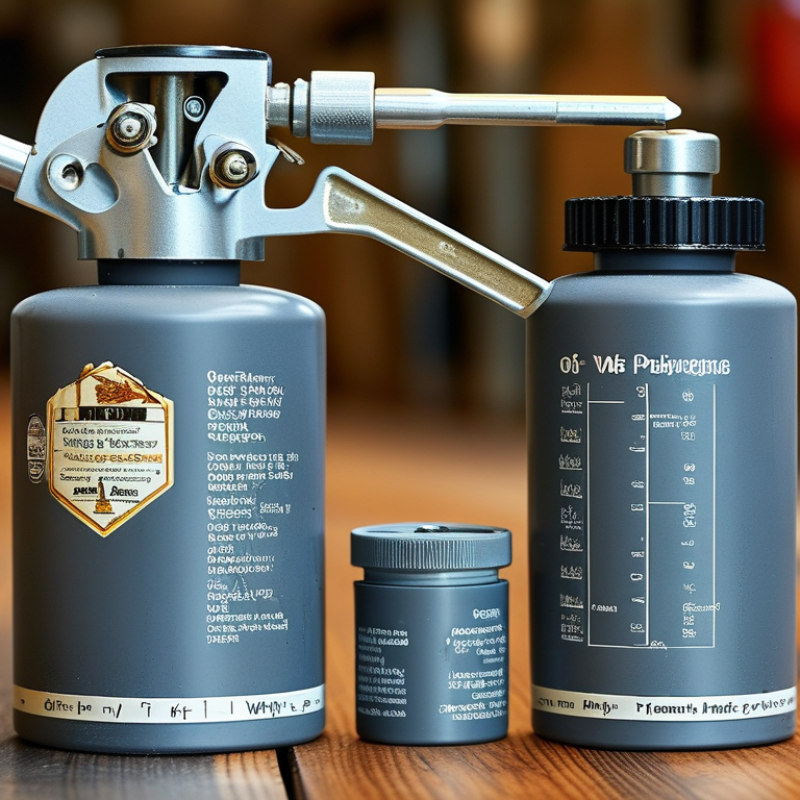
Pour-on applicators transfer measured liquid doses along an animal’s back or another approved application area. They are commonly used in livestock care, where accurate delivery matters more than fast handling. The applicator usually includes a reservoir, hose, trigger, and adjustable dosing chamber. Small details matter. A stiff trigger can slow work. A loose cap can create leakage during transport.
For global sourcing, match the applicator with the liquid’s viscosity, container size, and recommended dose. Check whether seals resist the formulation without swelling or cracking. A transparent chamber helps workers confirm each dose. Adjustable settings support different animal sizes, but they need clear markings and simple calibration. Test the tool at low and high temperatures. Plastic can become brittle in cold storage. Heat can also change hose flexibility.
I have found that samples reveal problems that specifications miss. A device may feel balanced in one hand but tiring after repeated use. Request cleaning instructions, material declarations, spare-part lists, and batch traceability from suppliers. Confirm packaging strength for long-distance shipping. Ask whether operating instructions can be supplied in the destination language. Local rules may require specific labels, records, or application procedures. Do not assume one design suits every market. It may not. Supplier audits, trial orders, and documented dose checks make sourcing more reliable, although they require extra time and cost.
How to Choose a Pour On Applicator for Global Sourcing?
Defining Product Requirements for Different Livestock Applications
Global sourcing starts with the animal, not the dispenser. FAO’s World Food and Agriculture Statistical Yearbook 2023 reports that livestock contributes about 40% of agricultural output value worldwide. That scale hides major variation. Beef cattle often need high-volume, weight-based delivery across a long backline. Sheep and goats need smaller, controlled doses and a nozzle that limits wool or hair contamination. For young stock, choose adjustable metering. A fixed chamber can waste treatment.
Match applicator materials to the formulation. Oil-based liquids may swell ordinary seals. Cold storage can thicken the fluid. Ask suppliers for viscosity data, temperature ranges, chemical-compatibility results, and calibration records. The OECD-FAO Agricultural Outlook 2024-2033 projects global agricultural and fish production to rise 1.1% annually. That growth makes repeatable dosing and dependable replenishment important. It also makes traceability practical, not decorative.
Field testing matters more than a polished catalogue. Measure dose accuracy after repeated squeezes. Check leakage after transport, then inspect the trigger with wet gloves. A poor grip becomes a real problem during a 300-head treatment day. I would specify graduated settings, a lockable adjustment, replaceable seals, and clear lot identification. But I would not assume one tool fits every farm. That assumption fails. Regional labels, animal weights, operator habits, and approved-use instructions still control the final specification. Ask for independent test evidence, not only factory claims.
How to Choose a Pour On Applicator for Global Sourcing?
Applicator design directly affects dosing consistency, filling speed, and user control. Trigger units suit frequent applications and larger containers. Squeeze bottles cost less, but hand pressure can vary sharply between operators. Metered pumps offer better repeatability, especially when each dose must remain consistent. Check the dose range first. A 30 mL chamber is unsuitable for a 100 mL application.
Material selection requires chemical compatibility, temperature stability, and transport durability. High-density polyethylene suits many containers and resists impact. Polypropylene often performs well in caps, valves, and rigid pump components. Seals need closer review; elastomer swelling can cause leakage or inaccurate delivery. Ask suppliers for compatibility testing, not only material declarations. Small details matter.
Dispensing accuracy should be verified under realistic conditions. Test cold and warm samples, different fill levels, and repeated pumping cycles. A laboratory result may not match field handling. ISO 9001 certification supports process control, but it does not prove every applicator is accurate. Request batch inspection records and a defined tolerance, such as ±5%, before approval. The OECD Global Plastics Outlook reported that only 9% of plastic waste was recycled in 2019, so material reduction and recyclable construction deserve attention. PlasticsEurope reported global plastic production reached 400.3 million tonnes in 2022. That makes unnecessary components harder to justify. I would still avoid assuming the lightest design is best; thin walls can fail during international shipping.
| Applicator Type | Typical Use | Common Bottle / Reservoir Material | Typical Capacity Range | Typical Dose Range | Approximate Dispensing Accuracy | Main Advantages | Sourcing Considerations |
|---|---|---|---|---|---|---|---|
| Standard Squeeze Bottle | Small-volume liquid application, maintenance chemicals, horticultural products, and laboratory-compatible liquids | LDPE bottle with PP or HDPE closure | 50–500 mL | Approximately 0.5–10 mL per squeeze, depending on nozzle and pressure | Typically ±10–20% under manual operation | Low tooling cost, lightweight construction, simple operation, and easy customization | Check wall thickness, squeeze force, nozzle consistency, leakage resistance, and compatibility with the liquid |
| Metered-Dose Bottle | Applications requiring a repeatable dose for each actuation | HDPE or LDPE bottle with PP metering chamber and valve | 30–250 mL | Approximately 1–5 mL per actuation | Typically ±5–10% after calibration and consistent handling | Better dose repeatability, reduced product waste, and easier user instructions | Request dose testing at different temperatures, fill levels, viscosities, and actuation speeds |
| Applicator Gun with Flexible Tube | Large-animal, agricultural, industrial, and field applications requiring directional dispensing | HDPE reservoir, PP body, and silicone, TPE, or PVC flexible tube | 250 mL–2 L | Approximately 5–50 mL per trigger stroke | Typically ±5–15%, depending on the piston and adjustment mechanism | Good reach, faster application, adjustable dosing, and reduced hand contact with the liquid | Evaluate trigger durability, tube flexibility, seal performance, spare-part availability, and cleaning requirements |
| Backpack Pour-On Applicator | High-volume field use where operators need both mobility and extended operating time | HDPE or fluorinated HDPE tank, PP fittings, and chemical-resistant elastomer seals | 5–20 L | Approximately 10–100 mL per application, usually adjustable | Typically ±5–15% when properly calibrated | Large capacity, improved productivity, and reduced refill frequency | Assess loaded weight, harness ergonomics, tank stability, pressure behavior, and transport regulations |
| Pump-Action Applicator | Repeated application of low- to medium-viscosity liquids in field or workshop environments | HDPE or PP tank, PP pump components, and EPDM, NBR, or FKM seals selected for chemical compatibility | 1–10 L | Approximately 5–100 mL per pump cycle | Typically ±5–12% with a calibrated pump chamber | Provides controlled flow, supports longer operation, and can handle a broad range of package sizes | Confirm priming time, pressure retention, valve reliability, seal material, and compatibility with concentrated formulations |
| Gravity-Fed Applicator | Simple liquid transfer where the reservoir can remain above the application point | HDPE, PP, or stainless steel reservoir with silicone, TPE, or PVC tubing | 250 mL–10 L | Approximately 5–100 mL per valve opening, depending on head height and flow restriction | Typically ±10–20% unless fitted with a calibrated valve | Simple structure, low maintenance, low energy requirement, and easy visual monitoring | Flow changes with liquid level, temperature, viscosity, and reservoir height; test the complete system before ordering |
| Piston-Based Precision Applicator | Applications requiring a more controlled and repeatable volume | HDPE or PP reservoir, acetal or PP piston, and chemically compatible elastomer seals | 100 mL–5 L | Approximately 1–50 mL per stroke | Typically ±3–8% under controlled operating conditions | Strong dose control, suitability for repeated cycles, and compatibility with adjustable volume mechanisms | Verify piston wear, seal swelling, stroke adjustment, calibration method, and performance with the target viscosity |
| Electric or Battery-Powered Applicator | High-throughput operations requiring reduced manual effort and consistent actuation | HDPE or PP fluid tank, polymer pump housing, and elastomer seals selected for the liquid | 1–20 L | Approximately 5–200 mL per programmed cycle | Typically ±3–8% after calibration; actual results depend on pump control and liquid properties | High productivity, consistent cycles, adjustable output, and reduced operator fatigue | Review battery standards, charging requirements, ingress protection, software controls, safety documentation, and after-sales support |
Choosing a pour-on applicator for global sourcing requires more than comparing unit prices. The supplier must understand your application, target market, and handling conditions. Ask for material specifications, production records, and batch traceability. A clear technical file shows stronger professional control.
Compliance can vary by country. Confirm labeling, packaging, chemical compatibility, and applicable product standards before placing an order. Request declarations, test reports, and calibration information from the supplier. Do not accept vague claims such as “international quality.” Evidence matters. An independent inspection can verify dimensions, leakage, trigger performance, and dose accuracy.
Customization should improve usability, not merely appearance. Discuss nozzle size, bottle fit, grip design, measurement markings, colors, and multilingual instructions. Request production samples before approving a large order. Test them with the actual liquid, temperature range, and workflow. Small leaks become expensive problems.
Supplier reliability also depends on communication. Check response times, engineering support, minimum order quantities, lead times, and corrective-action procedures. A factory visit or remote audit may reveal practical details that documents miss. However, no checklist is perfect. A polished sample can hide inconsistent mass production. Build inspection points into the purchase agreement, and review performance after each shipment. Price still matters, but unstable quality costs more.
International supplier evaluation by compliance, quality, customization, and supply reliability
When choosing a pour-on applicator for global sourcing, focus on working performance, not only the unit price. I have seen low-cost models create uneven dosing, loose caps, and wasted liquid. Check the applicator’s capacity, nozzle control, bottle material, and seal quality. Ask for clear drawings, sample photos, and test records. A practical trial with the intended liquid can reveal problems that specifications miss.
Pricing should include tooling, packaging, inspection, freight, insurance, and import charges. Compare the landed cost, not the factory quotation alone. Shipping also needs careful planning. Confirm carton strength, pallet sizes, transport temperature, and delivery schedules. One small packaging change may increase freight costs sharply. I once underestimated carton volume, and the final shipping bill damaged the original budget.
Tips: Request a production sample before placing a large order. Use an independent inspection for dimensions, leakage, dosage consistency, labeling, and carton condition. Keep agreed tolerances in writing. Long-term supply support matters too. Discuss spare parts, replacement seals, production capacity, lead times, and communication during shortages. Do not assume the first successful shipment proves reliable supply. Review quality data after every batch, and leave room to improve the process.
It transfers measured liquid doses along an animal’s back or approved application area. Accurate delivery matters. Fast handling is less important.
Check the reservoir, hose, trigger, dosing chamber, cap, and seals. A stiff trigger slows repeated work. A loose cap may leak during shipping.
Check the dose range before ordering. A 30 mL chamber cannot deliver a 100 mL application correctly. Capacity must fit the actual workflow.
Metered pumps usually offer stronger repeatability. Trigger units suit frequent use and larger containers. Squeeze bottles depend heavily on hand pressure.
Review plastic strength, seal compatibility, and temperature stability. Some seals swell or crack with certain liquids. Cold storage can make plastic brittle.
Test cold and warm samples, different fill levels, and repeated pumping cycles. Use the actual liquid. Record results against a defined tolerance.
Request material declarations, cleaning instructions, spare-part lists, inspection records, and batch traceability. Ask for operating instructions in the destination language.
Request production samples and test packaging strength. Inspect for leaks, loose caps, and thin walls. The lightest design is not always safer.
Useful changes include bottle fit, nozzle size, grip shape, markings, and multilingual instructions. Appearance alone is weak justification. Test every change.
No. A sample may hide inconsistent mass production. Use trial orders, independent inspections, and shipment reviews. I would still expect some surprises.
Choosing the right Pour-On Applicator for global sourcing begins with understanding how the equipment will be used across different livestock applications. Buyers should define animal types, treatment volume, application frequency, operator needs, and operating conditions before comparing models. Important factors include applicator design, material durability, container capacity, dispensing accuracy, ergonomic handling, cleaning requirements, and compatibility with approved veterinary or agricultural products. A reliable applicator should deliver consistent doses while reducing waste and supporting safe, efficient farm operations.
International supplier evaluation should include manufacturing capability, quality-control procedures, product testing, customization options, communication efficiency, and compliance with destination-market requirements. Buyers should also assess total costs, including unit pricing, tooling, packaging, shipping, import procedures, and inspection. Clear specifications, sample approval, production monitoring, and documented quality standards can reduce sourcing risks. For long-term cooperation, suppliers should provide stable capacity, replacement parts, technical support, and responsive after-sales service. A structured comparison of performance, reliability, cost, and supply continuity will help buyers select a suitable solution for international livestock operations.

WANJIA