Selecting the right Veterinary Automatic Syringe can be a daunting task. Dr. Emily Larson, a renowned expert in veterinary medicine, states, "The effectiveness of vaccinations and treatments depends greatly on how they are administered." This emphasizes the need to choose quality syringes.
Veterinary Automatic Syringes play a crucial role in delivering precise dosages. A poorly chosen syringe could lead to stress for both the animal and the veterinarian. It limits the quality of care provided. Many factors determine the best syringe for different situations. These include needle size, dosage accuracy, and ease of use.
The market offers an array of options. Some syringes have advanced features, while others are basic but reliable. Reflecting on personal experiences can provide insight. Many veterinarians notice a gap between expectation and performance. Finding the perfect fit requires careful consideration of individual needs and circumstances. A well-chosen Veterinary Automatic Syringe can enhance treatment outcomes, while a subpar choice may lead to complications.
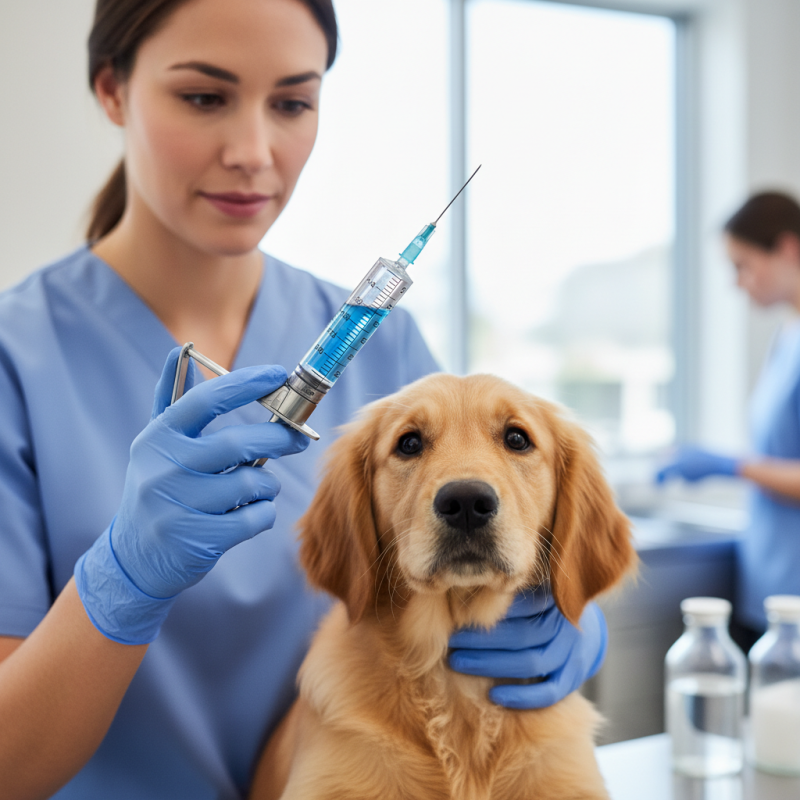
Understanding the Purpose of Veterinary Automatic Syringes
Veterinary automatic syringes serve a crucial function in animal healthcare. They allow for precise medication delivery, ensuring animals receive the right dosage. This is vital in veterinary practice, where accurate dosages can significantly impact recovery. These syringes simplify the process, reducing the stress on both the animal and the veterinarian.
Understanding the purpose of these syringes is essential for making informed decisions. Their design allows for quick and efficient administration of vaccinations or medications. However, they are not without challenges. Improper use can lead to mistakes, such as incorrect dosing or discomfort for the animal. Awareness of these potential pitfalls encourages professionals to prioritize training and practice.
When evaluating these tools, it is important to consider your specific needs. Do you treat a wide variety of species, or focus on one? The technical specifications of automatic syringes may vary. Researching these differences can prevent future frustrations. Reflecting on past experiences with syringes can provide insights into how to choose the best option for your practice.
Evaluating the Key Features of Automatic Syringes for Animals
Choosing the right automatic syringe for veterinary purposes requires careful consideration of key features. Look for syringes that offer precision dosing. Consistent dosages are essential for effective treatment. A reliable syringe can help prevent overdoses or underdoses, which is crucial when dealing with medications for animals.
Ease of use is another vital aspect. Automatic syringes should be comfortable in hand and simple to operate. Consider the design and ergonomics. If a syringe is complicated, it increases the chances of mistakes. In addition, think about maintenance. A device that is difficult to clean can lead to hygiene issues and potentially compromise animal health.
Pay attention to the syringe’s size and capacity. A syringe that is too large may be unwieldy for small animals. Conversely, a small syringe may not hold enough medication for larger animals. An adjustable option could be beneficial but also might complicate use.
Evaluate reviews and feedback from experienced veterinarians. Their insights can highlight strengths and weaknesses you may overlook. Choosing the right automatic syringe can be daunting, but thorough research will lead to a better decision.
Key Features of Veterinary Automatic Syringes
Comparing Different Types of Veterinary Automatic Syringes
Choosing the right veterinary automatic syringe can be challenging. Many factors come into play when comparing different types. You’ll find manual varieties, electronic options, and programmable models. Each type has its pros and cons.
Manual syringes require more effort but provide more control. They are often more reliable for smaller doses.
Electronic syringes can deliver precise dosages. Programmable options allow for repeatable dosing schedules. However, they can be more complex to operate, requiring a learning curve.
It’s crucial to consider the needs of your practice. Think about the types of animals you'll be treating. If you work with various species, versatility is key. Reflecting on your workflow can guide you too.
What's your team's experience level? Identifying these factors can help you make an informed choice that supports both efficiency and animal care.
Assessing Compatibility with Animal Species and Medication Types
When selecting a veterinary automatic syringe, compatibility with the animal species is crucial. Different animals have unique anatomical structures and behaviors. For example, the syringe design may vary for small animals like cats compared to large ones like dogs or cattle. Consider the size and weight of the animal. A syringe that works well for one species might be impractical for another.
Additionally, the type of medication is an important factor. Some medications require precise dosage and delivery speed. For instance, vaccines often need to be administered quickly to ensure effectiveness. On the other hand, sedatives may require a slower injection to prevent stress in the animal. Inadequate dosing can lead to treatment failures or adverse reactions.
Choosing a syringe can be overwhelming, and reflection is key. Understanding your specific needs is essential. Ask for input from colleagues or consult with experienced veterinarians. Sometimes, the ideal solution may not be apparent at first glance. It’s beneficial to test different types and observe how animals react during administration. This hands-on approach helps develop a better understanding of your requirements.
Considering Budget and Brand Reputation in Your Decision-Making
Choosing the right veterinary automatic syringe requires careful consideration of budget and brand reputation. A recent survey conducted by the Veterinary Instruments Association revealed that 70% of veterinary professionals prioritize affordability without sacrificing quality. This emphasizes the need to balance cost-effectiveness with performance. While lower-priced options may attract initial interest, they often lack the durability and precision required for effective veterinary care.
Brand reputation plays a critical role in decision-making. According to a report by Pet Care Insights, 65% of veterinarians trust established brands due to consistent product reliability. Newer or lesser-known brands might offer lower prices, but they may not have the same level of quality assurance. It’s essential to research user reviews and seek recommendations from trusted colleagues in the veterinary field.
Opting for well-regarded brands not only ensures better results but also enhances safety for both the pet and the veterinarian. The wrong choice could lead to complications. While many affordable options exist, it is vital to reflect on the long-term implications of your choice. Comprehensive research can make a significant difference in your practice's efficiency and the health outcomes for your patients.
FAQS
: They deliver precise medications to animals, ensuring the right dosage for effective treatment.
They reduce stress for both animals and veterinarians by simplifying medication administration.
Mistakes in dosing can occur, which may cause discomfort or ineffective treatment.
Different species have unique needs, so not all syringes work equally well across species.
Some medications need fast delivery, while others require slow injection to avoid stress.
Past experiences and specific needs help in choosing the right syringe for their practice.
Yes, gaining input from peers can provide valuable insights and suggestions.
Testing different types and observing animal reactions can lead to a better understanding of needs.
Absolutely, inadequate dosing or timing can lead to treatment failures or adverse reactions.
Proper training prevents mistakes and encourages better handling during medication administration.
Conclusion
Choosing the right Veterinary Automatic Syringe is crucial for ensuring efficient and accurate medication delivery for animals. The first step is to understand the purpose of these syringes, which streamline the dosing process, making it easier for veterinarians to administer treatments. Evaluating key features, such as dosage precision, ease of use, and safety mechanisms, is essential to determine which syringe will best suit the specific needs of different animal species and the types of medications they require.
Additionally, comparing various types of veterinary automatic syringes can help identify the most effective tool for your practice. It’s important to assess compatibility with the intended animals and medications to avoid any potential issues during administration. Lastly, considering your budget alongside the brand's reputation can significantly influence your decision-making process, ensuring you invest in a reliable and effective veterinary automatic syringe.

 WANJIA