How to Choose the Best Sheep Drenching Gun?

Time:2026-09-29 Author:Amelia
0%

Choosing the Best Sheep Drenching Gun begins with more than comparing prices or plastic colors. The tool must deliver an accurate dose, fit the operator’s hand, and remain reliable during busy handling sessions. A poorly selected gun can leak, stick, or deliver inconsistent amounts. That small error may affect animal health and waste valuable treatment.

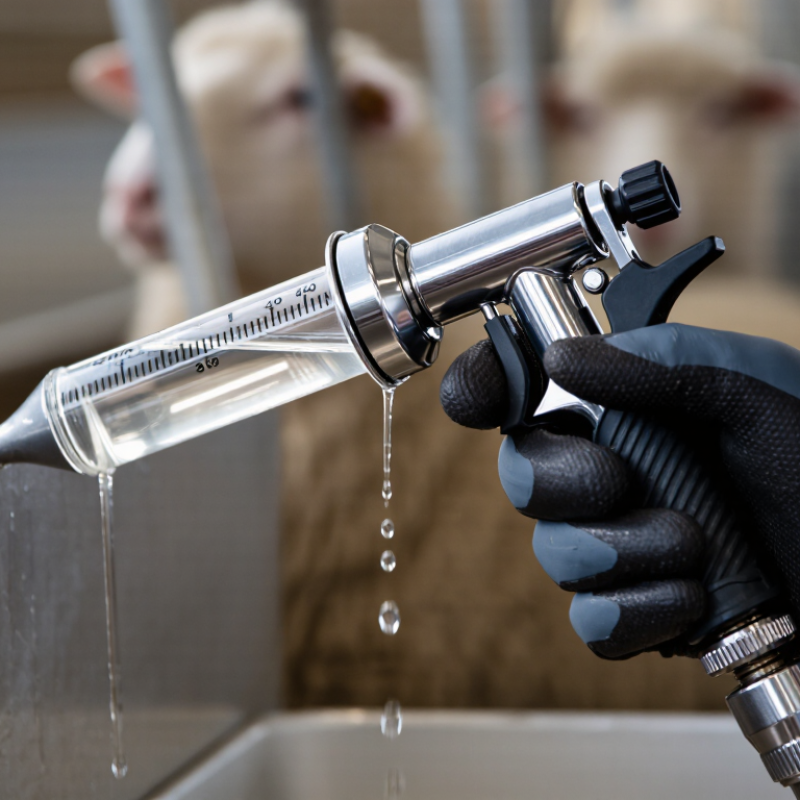
Dr. Fiona Lovatt, a respected sheep veterinarian and parasitology specialist, highlights a practical principle: “Correct product, correct dose, correct technique.” Her advice reflects real farm experience. A drenching gun should match the product instructions and the sheep’s size. It should also allow smooth, controlled delivery without forcing the nozzle too deeply. Stainless-steel parts may improve durability, while clear dose markings make checking easier. Comfort matters too. Wet gloves, cold mornings, and restless lambs expose weak designs quickly.

Look closely at calibration, barrel capacity, nozzle shape, seals, and cleaning access. Ask whether replacement parts are available. Test the trigger before buying, if possible. It should move evenly, not suddenly. The best Sheep Drenching Gun is not always the most expensive model. Sometimes, a simpler design performs better because it is easier to inspect and maintain. That point is easy to overlook.

There is no perfect choice for every flock. A smallholder may prefer a lightweight manual gun, while a large operation may need a high-capacity model. Consider your animals, treatments, handling system, and routine. Then question your assumptions. Convenience alone is not proof of accuracy. Reliable dosing is the real standard.
How to Choose the Best Sheep Drenching Gun?

What Is a Sheep Drenching Gun and How Does It Work?

A sheep drenching gun is a hand-operated dosing tool that delivers measured liquid medicine into a sheep’s mouth. A lever or trigger draws liquid from a bottle or hose into a chamber; pressing it releases the dose through a nozzle. The operator guides the nozzle over the tongue, then administers the liquid slowly so the animal can swallow. Small tool. Big consequence. FAOSTAT’s 2022 livestock data records roughly 1.3 billion sheep worldwide, underscoring the scale of routine flock care. The gun does not choose the right dose: that depends on the product instructions and the animal’s weight.

A good gun should hold its setting, dispense consistently, and be easy to clean. Before use, check that the nozzle is clear and test several doses into a graduated container. AHDB’s sheep parasite-control guidance recommends calibrating dosing equipment and basing treatment on accurate weights. If the setting is 10 mL, the measured output should be close to 10 mL. A smooth trigger can feel reliable, but feel alone proves little. I would recheck after changing bottles or adjusting the dial; small errors can pass unnoticed. Keep the animal’s head level, avoid forcing the nozzle, and allow time to swallow. Choose a model that fits your hand and flock size, but remember that correct handling matters as much as the gun itself.

How to Choose a Sheep Drenching Gun

A drenching gun delivers an oral liquid dose when its handle is squeezed. Choose a model that can be calibrated to the dose volume required for your sheep and the product being used.

Illustrative calculation: At a sample rate of 1 mL per 10 kg, the calculated volume is 2–8 mL for sheep weighing 20–80 kg. This is an example, not a general dosing recommendation. Always follow the product label or veterinary instructions, and check the gun’s calibration before use.

How to Match the Gun Type to Your Flock and Treatment Needs

How to Choose the Best Sheep Drenching Gun?

How to Match the Gun Type to Your Flock and Treatment Needs

The right drenching gun depends on flock size, treatment volume, and how often you work. For a few sheep, a simple, sturdy gun may be easier to clean and store. Larger flocks may benefit from a multi-dose model that reduces repeated refilling. Check that its dose range suits the product instructions and the animals you treat. Fit matters. A handle that feels comfortable in your hand can make a long session less tiring.

Consider the dosing mechanism, too. Adjustable guns offer flexibility, but the setting must be checked before use. Fixed-dose models are straightforward when the required volume stays consistent. Look for clear markings, a smooth trigger, and parts that can be inspected and cleaned. A larger capacity is not always better; a heavy reservoir can strain your wrist. Small detail. Match the gun to your routine, not just the flock count.

Tips: Before treatment, test the gun with clean water and measure a few doses to confirm accuracy. Follow the product label and veterinary guidance for dose and administration. Keep the nozzle clean, and use steady handling to reduce the chance of injury or misdosing. If settings or fit feel awkward, pause and reassess before continuing.

How to Compare Capacity, Accuracy, and Dose Control

A sheep drenching gun should match the size of your flock and the dose range you use. Capacity affects how often you refill, but a larger barrel is not automatically better. It can feel heavier during repeated work, especially when sheep move through a narrow race. Check that the graduations are easy to read and that the dose can be adjusted in small, clear increments. Small details matter.

Accuracy depends on more than the markings. Before use, fill the gun with clean water and deliver several doses into a graduated measure. Compare the results at the settings you expect to use. Then test again. If the volume varies, inspect the seals, nozzle, and adjustment mechanism; worn parts or trapped air can affect delivery. This check is practical, though it does not replace following the drench label or veterinary guidance.

Dose control should be simple enough to use consistently, even with wet hands or a restless animal. Look for a trigger that returns smoothly and a setting that stays in place between doses. A comfortable handle helps, but do not judge a tool by comfort alone. Not glamorous. Record the product, dose setting, and date, and clean the equipment as directed after use. A dependable gun still needs careful handling and regular checks.

Which Materials and Design Features Ensure Safe Handling?

How to Choose the Best Sheep Drenching Gun?

Safe handling starts with materials that tolerate repeated cleaning. A corrosion-resistant metal barrel or sturdy, veterinary-grade polymer can work well when its surface stays smooth and intact. Check that seals resist the drench being used; swollen or brittle seals can cause leaks and inconsistent delivery. Small details matter. Rounded edges and a secure nozzle reduce snagging and accidental contact, while a textured grip helps when gloves are damp. Avoid relying on appearance alone. A shiny finish does not prove durability.

Design should make dose control clear and repeatable. Look for markings that remain readable in low light and a mechanism that adjusts without slipping. The trigger should move smoothly, with enough resistance to prevent an unintended squeeze. A useful field check is to fill the gun with clean water and test several measured doses into a marked container. Compare them. If output varies, inspect the seals and adjustment setting before use. Follow veterinary guidance and the product label for the correct dose.

Cleaning and inspection are part of safe handling, not optional extras. Choose a model that can be opened without awkward tools, so residue around the nozzle and seals is easier to remove. Let parts dry fully before storage, and replace cracked components promptly. Even a well-designed gun can become unreliable when neglected; that is easy to underestimate on a busy day. A comfortable grip also depends on hand size, so test the feel before buying when possible.

How to Check Compatibility, Cleaning Needs, and Long-Term Durability

How to Choose the Best Sheep Drenching Gun?

Compatibility should be checked before price. Match the gun’s nozzle with the product container and dosing tube. Confirm its volume range, thread size, and seal material. A narrow nozzle may suit a small bottle, but it can restrict thicker formulations. FAOSTAT data show a global sheep population exceeding 1.3 billion in recent years. Small equipment errors can therefore affect many animals and treatment records. Choose a model with clear graduations, preferably in 1 ml steps. Calibrate it with water before use, then compare the delivered volume with the marked setting. Do not trust a new gun blindly.

Cleaning is practical, not cosmetic. After dosing, flush the barrel, hose, and nozzle with clean water. Some products require a separate cleaning method, so follow the veterinary product label. Dry the gun before storage. Residue around the piston can harden like glue, causing uneven doses next time. WOAH guidance on responsible veterinary medicine use supports accurate administration, traceability, and proper equipment handling. Keep a simple log with the date, product, setting, and observed problems. It takes less than a minute.

Durability depends on daily habits. Look for chemical-resistant seals, a protected spring, and replaceable washers. Avoid leaving the gun in direct sunlight or a dusty vehicle. A metal frame may feel stronger, but it can add weight during a long yard session. This is where personal experience matters. I once valued rugged construction too highly and ignored grip fatigue. The mistake was expensive. A durable drenching gun should remain accurate, cleanable, and comfortable after repeated field use.

FAQS

How should I choose a drenching gun for my flock size?

For a few sheep, a simple gun may be easier to clean and store. Larger flocks may benefit from a multi-dose model that reduces refilling. Match capacity to your routine.

Is a larger-capacity gun always better?

No. A full reservoir can feel heavy during repeated dosing, especially in a narrow race. Choose a capacity you can handle comfortably.

How can I check whether the dose is accurate?

Fill the gun with clean water and measure several doses in a graduated container. Compare each result with the setting. Repeat the check if volumes vary.

What features make dose control easier?

Clear graduations, small adjustment steps, and a trigger that returns smoothly help. Check that the setting stays in place, even with wet hands.

How do I know if a gun is compatible with a product?

Check the nozzle, dosing tube, volume range, thread size, and seal material. Confirm compatibility with the product instructions before use.

How should I clean the gun after treatment?

Flush the barrel, hose, and nozzle with clean water, unless the product label specifies another method. Dry the equipment before storage. Residue can harden.

What should I record after dosing?

Note the date, product, dose setting, and any equipment problems. A short record can help you spot recurring issues.

Which parts affect durability?

Chemical-resistant seals, a protected spring, and replaceable washers can help. Keep the gun away from direct sunlight and dust. Tough materials can still add weight.

Is a comfortable handle enough to judge a gun?

No. Comfort matters during long sessions, but accuracy and cleanability matter too. I would not ignore grip fatigue again.

Conclusion

Choosing the best Sheep Drenching Gun starts with understanding its purpose: it delivers measured liquid treatments directly and efficiently, helping reduce waste and improve handling during flock care. The right model should match the size of your flock, the frequency of treatment, and the type of solution being administered. Consider whether a manual, adjustable, or continuous-dose design offers the control and speed you need. Capacity, dosing accuracy, and easy dose adjustment are especially important when treating animals of different sizes.

Safe handling also depends on thoughtful construction. Look for durable, animal-safe materials, a comfortable grip, smooth operation, and a design that minimizes spills or accidental over-dosing. Check that the gun is compatible with your treatment containers and can be disassembled or rinsed easily after use. Reliable seals, corrosion resistance, and replaceable working parts can improve long-term durability. By comparing these practical features, you can select a Sheep Drenching Gun that supports accurate, hygienic, and efficient flock management.


Amelia

Amelia

Amelia is a seasoned marketing professional with a wealth of expertise in our company’s core offerings. With an unwavering passion for driving growth and innovation, she plays a pivotal role in shaping our marketing strategies and enhancing brand visibility. A key aspect of her responsibilities......