In the equine care industry, the Equine Drencher is an essential tool for administering necessary liquids to horses. Dr. Sarah Thompson, a respected veterinarian and equine nutritionist, emphasizes its importance, stating, "A well-functioning Equine Drencher can save a horse’s life during critical moments." This device allows for precise delivery of medications, supplements, or fluids directly into a horse's mouth.
Equine Drenchers come in various designs, each tailored to different needs. They facilitate easy administration, ensuring that the horse receives the right dose without stress. However, improper use can lead to aspiration or discomfort. This highlights the necessity of having trained personnel handle the device carefully.
Understanding how the Equine Drencher works can significantly impact animal health. Each expert recommends regular training on its use. Even with modern advancements, issues can arise that require reevaluation of techniques. The goal is always to improve the efficiency and safety of liquid administration in equine healthcare.
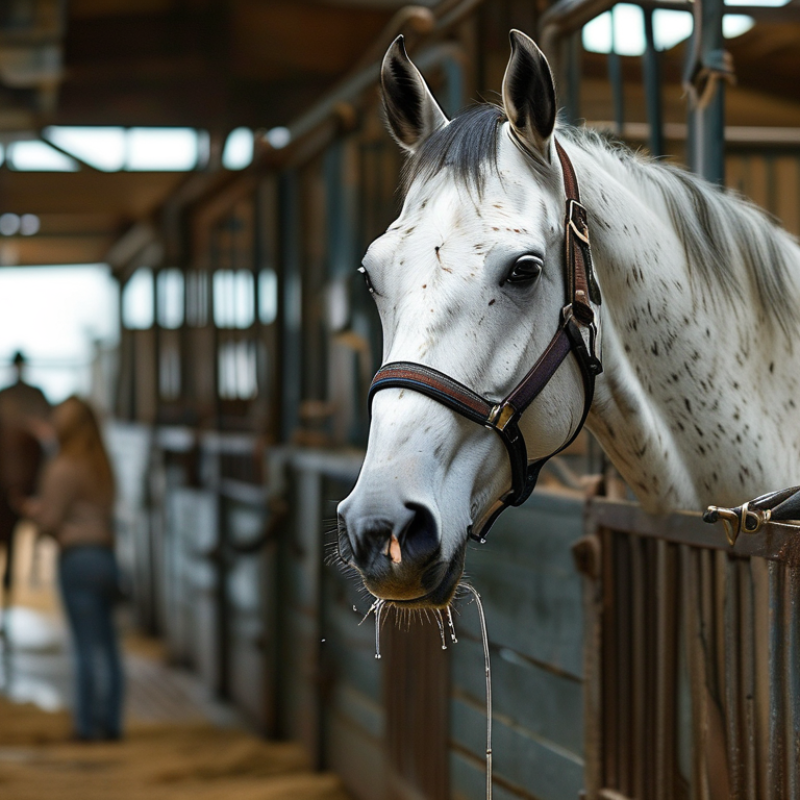
What is an Equine Drencher?
An equine drencher is a specialized tool designed for administering liquids to horses. It looks like a long, flexible tube with a funnel at the end. This device allows caregivers to deliver medications or supplements safely. Many horse owners rely on it for both routine and emergency situations. Using a drencher can ensure that horses receive the correct dosage of essential liquids.
The operation of an equine drencher is straightforward. First, you fill the funnel with the liquid. Next, you carefully place the tube in the horse's mouth, aiming for the back of the throat. This technique minimizes mess and reduces the risk of choking. However, using a drencher effectively requires practice and confidence. It's important to be gentle and calm to avoid stressing the horse.
There are challenges in using a drencher. Some horses may resist, making it difficult to administer. Understanding equine behavior is essential. Not every horse reacts the same way. Sometimes, additional help is needed to hold the horse steady. Reflecting on these interactions can improve the experience for both the horse and the handler. Proper handling and patience go a long way in making the process smoother.
Components of an Equine Drencher
An equine drencher is a specialized tool used to deliver fluids or medications to horses. Understanding its components is essential for effective use. The main parts include a long, flexible tube, a dosing reservoir, and a nozzle. The tube allows for deep placement within the horse's mouth, making it easier to administer fluids without causing distress. It's crucial that the material is durable yet soft, avoiding injury to the horse.
The dosing reservoir is another key element. It holds the necessary liquid and has markings to help gauge the correct dosage. This feature is vital, as inaccurate dosing can lead to ineffective treatment or potential harm. The nozzle, often designed to be ergonomic, ensures a smooth flow. It facilitates precise delivery, which is significant for hydration or medication.
Commonly, users may overlook the importance of cleaning the drencher. Residues can lead to contamination. Regular checks for wear and tear can improve the tool's reliability. It's easy to get complacent, but regular inspection can save livestock from unnecessary stress. Understanding these components helps ensure that the drencher works effectively and safely in equine care situations.
How Equine Drenchers Function
Equine drenchers are specialized devices designed to deliver liquid medications or nutrients to horses efficiently. They work by using a mechanism that allows for precise control over the dosage and speed of administration. A properly functioning drencher will ensure that the liquid flows smoothly down the horse’s throat, minimizing discomfort and ensuring that the horse receives the full benefit of the treatment.
The function of an equine drencher relies on a combination of mechanical and ergonomic principles. The device typically features a nozzle that fits comfortably in the horse's mouth, creating a seal that prevents spillages. Recent data indicates that horses experience less stress during treatment when using a properly designed drencher compared to traditional methods, like manual dosing. Observations suggest that compliance rates can improve by up to 30% with the use of these tools.
However, not all drenchers perform equally. Some may not deliver the dosage accurately, leading to under-treatment or over-treatment of conditions. This inconsistency can have serious implications for the horse's health. Studies show that up to 15% of equine medications are misadministered due to issues with the drenching equipment. Thorough testing and validation are crucial to ensure these devices meet industry standards and provide the necessary efficacy in equine care.
Benefits of Using an Equine Drencher
An equine drencher is a valuable tool for horse owners and veterinarians. It allows for the efficient delivery of medications, supplements, or electrolytes directly into a horse’s mouth. The design usually features a long, flexible tube with a nozzle that can gently administer liquids. This method is beneficial in situations where a horse refuses to eat or drink. It effectively ensures that vital treatment reaches the animal without much struggle.
Using an equine drencher has several benefits. First, it minimizes stress for both horse and handler. Unlike traditional methods, which may involve forcing a horse to swallow pills or powders, a drencher offers a smoother experience. It also allows for precise dosing. This can be crucial, especially when a horse requires specific amounts of nutrients or medications. Moreover, administering liquids quickly can be lifesaving in emergency situations.
While using a drencher, it’s important to be mindful. Improper use may lead to aspiration, where the liquid enters the lungs. This can cause complications. Always observe the horse's reactions. Ensure they are calm and comfortable. Each horse is unique and may respond differently. Adjusting your approach is essential for effective use.
Steps for Properly Administering an Equine Drench
Administering an equine drench requires careful preparation and technique. Start by gathering necessary tools, including the drench gun and the medication. Make sure the drench is specifically formulated for the horse's needs. Understanding the dosage is crucial. Incorrect amounts can lead to serious health issues.
Before approaching the horse, ensure a calm setting. A nervous horse may resist treatment. Secure the horse safely using a halter and lead rope. Stand at the horse's side, using your body to prevent movement. Gently insert the drench nozzle into the side of the mouth. Aim for the back of the throat, avoiding the tongue. This method enables smooth swallowing.
Holding the horse’s head slightly elevated can help. Administer the drench slowly to prevent choking. Monitor the horse’s reactions closely. If the horse shows distress, stop immediately. Patience is key; rushing can lead to accidents.
When you finish, observe any residual drench. Ensure the horse has consumed the entire dosage. A little leftover can be a sign of discomfort. Each horse is unique, and practice makes perfect. With time, your skills will improve.
Conclusion
An Equine Drencher is a specialized tool designed to safely and effectively administer liquids, such as medications or nutritional supplements, to horses. The device typically consists of a nozzle, a reservoir for the liquid, and a mechanism that controls the flow of the substance. By providing a direct means of delivery, an Equine Drencher ensures that the horse receives the correct dosage without the risk of choking or aspiration.
Using an Equine Drencher offers several benefits, including precise delivery of medications directly into the horse's mouth, which enhances absorption and efficacy. The key to successful administration lies in understanding how the drencher functions and following proper steps, such as positioning the horse correctly and ensuring a steady flow of liquid. This method not only promotes better health outcomes for the horse but also simplifies the process for caretakers.

 WANJIA