7 Piglet Vaccination Syringe Buying Tips

Time:2026-11-20 Author:Henry
0%

A Piglet Vaccination Syringe is a small tool with a demanding job: deliver the intended dose consistently, even when the piglet shifts and the barn is busy. Swine veterinarian Dr. John Carr is a relevant professional reference for practical pig care, but a quotation should not be attributed to him without a verifiable source. A useful buying principle, stated here as a guide rather than his quote, is: “Choose for accurate dosing, easy cleaning, and dependable handling.”

That sounds simple. It is not always simple.

This guide’s seven buying tips focus on details you can inspect: dose range, adjustment clarity, grip, needle connection, materials, cleaning access, and replacement-part availability. Imagine a damp glove, a syringe dial marked in tiny numbers, and several piglets waiting. Those details matter. A smooth trigger and readable scale can make routine work steadier; a poorly fitting part can create frustration and uncertainty. Product specifications help, but they do not replace checking the instructions or asking a qualified veterinary professional which equipment suits your vaccination protocol.

There is room for reflection, too. A more expensive syringe is not automatically better, and a familiar model may still be awkward to clean. Compare options carefully. Look for clear manufacturer guidance, sturdy construction, and service support. The right choice should fit your team’s hands and workflow, not just a product photo. These tips offer a practical starting point—not a substitute for veterinary advice or careful use.
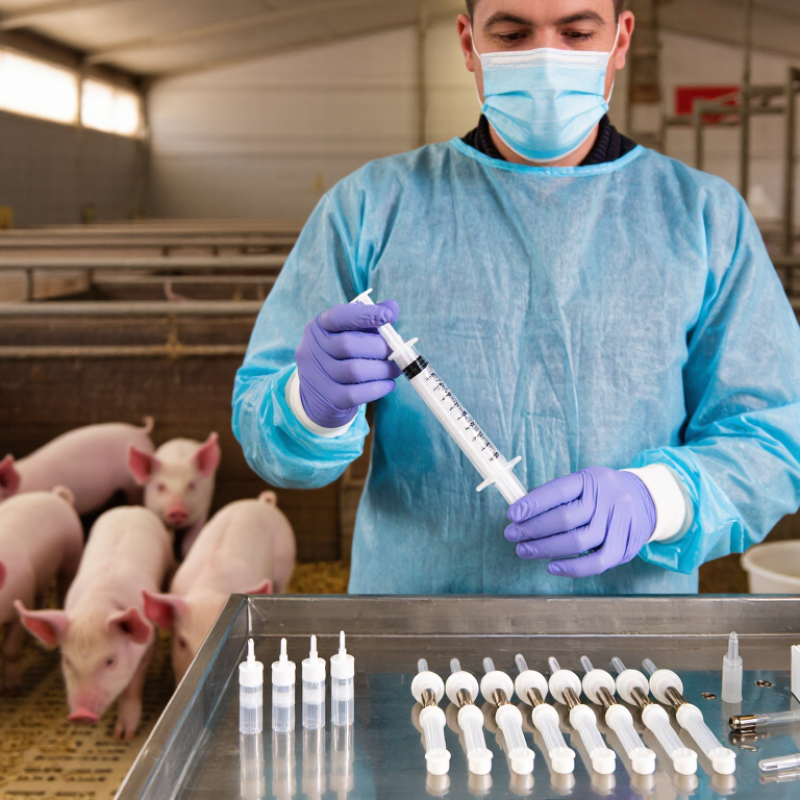
7 Piglet Vaccination Syringe Buying Tips

Understanding Piglet Vaccination Syringe Types and Uses

Understanding Piglet Vaccination Syringe Types and Uses

Piglet vaccination syringes generally include disposable, multi-dose, and automatic models. A disposable syringe suits a single measured dose and can reduce handling between piglets. Multi-dose syringes hold several doses, which can make larger groups quicker to manage. Automatic models deliver repeated measured doses with less manual drawing. Their convenience depends on correct setup and regular dose checks.

Choose the type that matches the vaccine label, the planned number of piglets, and your veterinarian’s instructions. Check that the syringe markings allow accurate measurement; a small setting error can matter. Use the needle size recommended for the piglets and injection site. Keep equipment clean, and follow product directions for storage and reuse. A syringe may look clean but still need careful inspection. Small details matter.

Tips: Before work, test the dose setting with clean water, then empty and prepare the syringe as directed. Watch for leaks, stiff triggers, or loose needles. Record the product, date, and doses given. If the device feels awkward, pause and ask a veterinarian or trained handler to check your technique. Speed helps, but not at the expense of accuracy.

Matching Syringe Capacity to Vaccine Dose and Herd Size

Choosing a piglet vaccination syringe starts with the labeled dose, not the largest capacity available. Check that the syringe markings let you measure that dose clearly and consistently. A tiny dose can be hard to read on a large barrel. For example, if the label calls for a small volume, fine graduations help reduce guesswork. Follow the vaccine instructions and ask a veterinarian if the dose or equipment is unclear.

Tips: Match capacity to the dose, then consider how many piglets you will vaccinate in one session. A larger syringe may reduce refills in a large herd, but it should still measure each dose accurately. Test the mechanism with clean water before use. Small details matter.

For a few piglets, a lower-capacity syringe can be easier to handle and monitor. For a larger group, a suitable multi-dose syringe may save time, provided its settings match the product instructions. Check the dose setting during the session, especially after refilling or adjusting the device. Keep the syringe clean and use it only as directed for that vaccine. Herd size changes workload, but it does not change the prescribed dose. It is easy to focus on speed; accuracy deserves equal attention.

Checking Needle Compatibility, Materials, and Build Quality

A piglet vaccination syringe should match the needle, not just look sturdy on a shelf. Check whether the connection is designed for the needle type you use, and confirm that the gauge and length suit the product instructions and the animal’s size. A snug fit matters. Loose connections can leak or shift during handling. If needles are changed often, a secure, easy-to-clean connector is worth checking closely. Small details matter.

Look at the materials and the moving parts. Stainless steel needles should feel straight and have a clean, even finish, with no visible burrs or rust. The syringe body should tolerate the cleaning method specified by its manufacturer. Move the plunger slowly; it should travel smoothly without sticking, while the seal should hold liquid without seepage. Clear, durable dose markings help reduce reading errors in a busy work area. Check the fit.

Build quality is more than a polished exterior. Inspect the barrel, handle, and connector for cracks, sharp edges, or loose pieces. A syringe can feel solid yet still have an inconsistent plunger, so test its movement before relying on it. I would not assume a higher price guarantees better performance; that is an easy shortcut, and not always a sound one. Follow the vaccine instructions and ask a veterinarian or supplier when needle compatibility is unclear.

7 Piglet Vaccination Syringe Buying Tips: Needle Compatibility, Materials & Build Quality

Needle gauge affects the needle’s outside diameter. Compare the nominal sizes below, then confirm the needle length and hub connection match the syringe and the intended use.

Buying check: Gauge alone does not confirm fit. Check the syringe’s hub type (such as Luer slip or Luer lock), needle length, and manufacturer specifications. Look for clearly stated material details, legible graduations, a smooth plunger, and a secure, well-finished hub. Diameters shown are approximate nominal values; specifications can vary by product.

Evaluating Dose Accuracy, Handling, and Piglet Safety

7 Piglet Vaccination Syringe Buying Tips

Dose accuracy matters when piglets are small and each injection must match the vaccine instructions. Choose a syringe with clear, durable graduations that are easy to read in a dim barn. Check that the dose setting moves smoothly and stays in place during repeated use. A tiny leak can waste product. Not every model feels right in a gloved hand, so test the grip and trigger before buying.

Tips: Compare the marked dose with the amount dispensed into a clean measuring device, following the manufacturer’s directions. Look for parts that are easy to inspect and clean, and confirm compatible needles are available. Keep a simple record of cleaning and maintenance. These checks take time, but skipped checks can create uncertainty.

Handling affects piglet safety, too. A balanced syringe can help reduce hand strain during a busy session, while a secure needle attachment lowers the chance of loosening. Use the correct needle and vaccination technique for the product, as directed by a veterinarian or label. Restrain each piglet gently, keep the work area calm, and avoid rushing between animals. Watch for unusual reactions and seek veterinary guidance when needed. A perfect checklist still cannot replace calm judgment; I would reassess any tool that feels awkward after a few careful practice runs.

Comparing Cleaning Requirements, Durability, and Overall Value

When comparing piglet vaccination syringes, look beyond purchase price: cleaning time and repeatable dosing shape daily value. A model that opens without tools can make flushing easier between groups. Check whether the barrel, plunger, valves, and seals can be disassembled as directed. Small corners around fittings may hold residue. Follow the cleaning instructions, since heat or unsuitable detergents can damage seals. Quick to rinse. But rinsing alone may not meet your farm’s hygiene needs; use the veterinary protocol and let parts dry fully before reassembly. Also check how the dose setting is verified, especially when administering small volumes.

Durability depends on more than a solid feel. Inspect joints for looseness, test the dose adjustment, and ask whether seals and other routine parts are replaceable. A syringe that feels sturdy but is difficult to repair can become poor value. Convenient, yes. Compare the cost of those parts and the time needed for routine cleaning, not just the initial price. A clear barrel can help reveal leftover fluid, though it does not replace proper cleaning. Keep a simple record of dose checks and worn parts. It is easy to overlook this when chores pile up.

7 Piglet Vaccination Syringe Buying Tips - Comparing Cleaning Requirements, Durability, and Overall Value

Buying Tip What to Compare Practical Checks Cleaning, Durability & Value
1. Match the syringe to the vaccination workflow Single-dose use versus repeated dosing from a multi-dose container. Confirm the syringe design is suitable for the vaccine container and the dosing method specified on the product label. A multi-dose design can reduce repeated filling during a group session, but it needs correct setup and cleaning. A single-dose syringe may be simpler when only a few animals are treated.
2. Check dose adjustment and accuracy Clear graduations, an adjustable dose mechanism, and repeatable delivery. Choose a scale that makes the intended dose easy to set and verify. Check that the plunger moves smoothly and the dose can be adjusted without slipping. Accurate, repeatable dosing helps avoid wasted vaccine and under- or overdosing. A scale that is difficult to read can reduce value even if the syringe is inexpensive.
3. Inspect parts that contact the vaccine Materials, seals, tubing, and compatibility with the specific vaccine. Review the syringe instructions and vaccine label for material compatibility and any restrictions on cleaning agents or disinfectants. Some products or components may be affected by unsuitable chemicals or heat. Replacing worn seals can help maintain function; confirm replacement parts are available before purchase.
4. Compare cleaning requirements Ease of disassembly, access to fluid passages, and approved cleaning or sterilization methods. Look for clear instructions on flushing, disassembly, drying, and storage. Do not assume every reusable syringe or component is autoclavable. A design with fewer hard-to-reach areas can take less time to clean. Follow the manufacturer’s instructions and the vaccine label; improper cleaning may damage parts or affect later use.
5. Assess durability in barn conditions Resistance to routine handling, drops, moisture, and repeated operation. Check the body, plunger, dose adjuster, connections, and any protective case. Consider whether the syringe can be serviced if a seal or other wear part fails. Reusable metal or reinforced designs may suit frequent use, while lightweight designs can be easier to carry. Actual service life depends on handling, cleaning, storage, and maintenance.
6. Consider disposable versus reusable options Single-use convenience compared with the cleaning and maintenance needed for reusable equipment. For disposable items, verify the intended single-use status and plan for safe disposal. For reusable items, check cleaning instructions and the availability of compatible replacement parts. Disposable options can reduce between-use cleaning but create recurring supply needs. Reusable options may offer better value with frequent use when they are properly cleaned and maintained.
7. Compare total cost, not just purchase price Initial price, needles or other consumables, replacement parts, cleaning time, and expected use frequency. Estimate the cost per vaccination session and check whether essential accessories or spare seals are included or sold separately. A low purchase price may not be the lowest long-term cost if parts wear quickly or consumables are costly. Choose a design that fits the farm’s workload and can be maintained as directed.

Reminder: Use the syringe, needle, dose, handling, and storage methods specified by the vaccine label and equipment instructions. Ask a veterinarian or qualified animal-health professional if compatibility or cleaning requirements are unclear.

FAQS

How can I check whether a syringe fits my needles?

Confirm the connector matches the needle type, gauge, and length specified for the product and animal. It should fit snugly, without leaking or shifting.

What should I inspect on the syringe and needle?

Look for straight, smooth needles without rust or burrs. Check the barrel and connector for cracks or loose parts. A polished surface proves little.

How do I assess dose accuracy?

Read the graduations in good light and check that the dose setting stays in place. Compare a test dose with a clean measuring device, following the manufacturer’s directions.

What should the plunger feel like?

Move it slowly. It should travel smoothly, without sticking, and the seal should hold liquid without seepage.

How can I tell if the syringe is comfortable to use?

Try the grip and trigger with gloves on. A balanced tool may reduce hand strain, but an awkward feel deserves attention.

Which cleaning and maintenance details matter?

Check that the materials tolerate the specified cleaning method. Keep a simple cleaning record and inspect parts regularly; skipped checks can leave doubts.

How can I handle piglets more safely during vaccination?

Use the needle and technique directed by the product instructions or a veterinarian. Restrain each piglet gently, keep the area calm, and avoid rushing.

Does a higher price mean better build quality?

Not necessarily. Test the plunger, connector, and dose markings yourself. A costly tool can still feel inconsistent, so I would not rely on price alone.

Conclusion

Choosing a Piglet Vaccination Syringe starts with understanding the available types and how each is used. Consider the vaccine’s prescribed dose and the size of your herd when selecting syringe capacity: a suitable size can make routine work more efficient without compromising accurate dosing. Check that compatible needles are readily available and appropriate for the intended use, and examine the syringe’s materials, construction, and overall sturdiness.

Dose accuracy, comfortable handling, and piglet safety are also important. Look for clear, easy-to-read settings and a design that supports steady, controlled operation. Before buying, review how the syringe should be cleaned and maintained, since straightforward care can help preserve dependable performance over time. Compare durability and practical features with the purchase and upkeep costs to judge overall value. The right choice balances reliable dosing, ease of use, and suitability for your vaccination routine.


Henry

Henry

Henry is a dedicated marketing professional with a profound expertise in the company's offerings. With years of experience in the industry, he possesses an impressive understanding of the market dynamics and consumer behaviors that drive success. Henry is committed to sharing his insights through......