When caring for animals, proper syringe use is crucial. Animal healthcare often requires precise medication administration. Animal use syringes are essential tools in this process. They help ensure accurate dosages and minimize stress for the animal.
Understanding the safe and effective use of syringes is vital. Many pet owners and veterinarians face challenges. Common issues include fears surrounding injections and potential contamination. Mistakes can lead to serious health risks for pets. It's important to familiarize yourself with proper techniques to enhance safety and effectiveness.
Using syringes may seem straightforward, but precision is key. Correct storage and handling of animal use syringes are often overlooked. Additionally, selecting the right syringe type for various animal sizes can be confusing. This underscores the importance of knowledge and hands-on experience. By approaching animal healthcare with care, we can improve outcomes for our furry friends.
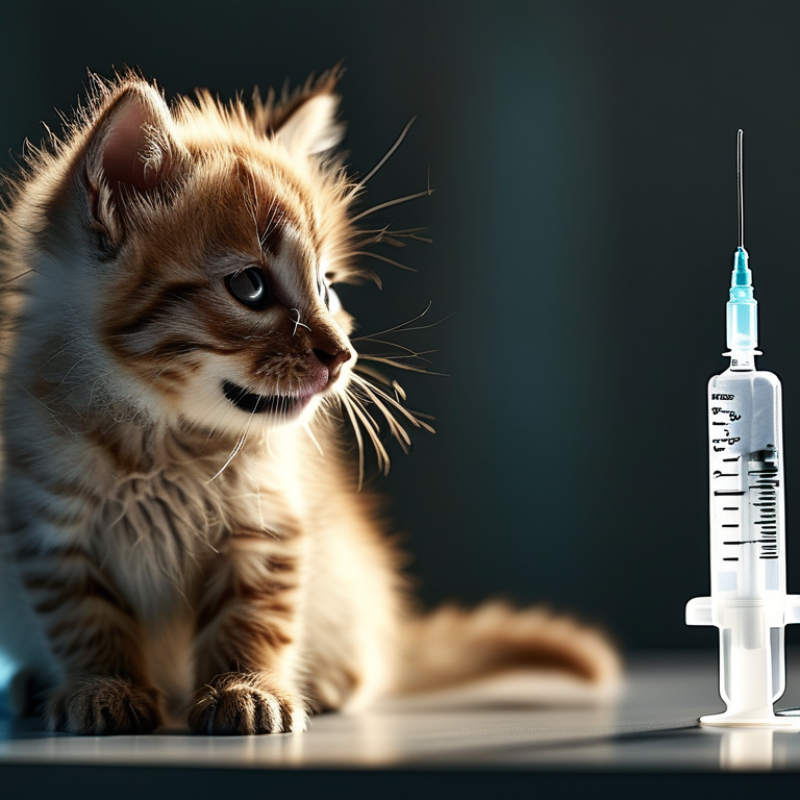
In animal healthcare, the safe use of syringes is crucial. According to the American Animal Hospital Association (AAHA), improper syringe handling can lead to medication errors and increase the risk of infections. Data from the Centers for Disease Control and Prevention (CDC) shows that up to 30% of healthcare-associated infections in animals are linked to unsafe injection practices. This underscores the importance of following strict protocols when using syringes.
Handling syringes requires training and proper techniques. Professionals must ensure that syringes are sterile and used for a single patient. Reusing syringes can cause serious health complications. In a study published in the Journal of Veterinary Internal Medicine, researchers found that reused syringes contributed to a significant rise in bacterial infections. This finding highlights the critical need for educating veterinary staff on the importance of syringe safety.
In addition to infection control, safe syringe use also affects animal welfare. Animals can experience stress during injections. Ensuring a calm environment and utilizing appropriate techniques can minimize this stress. Some practitioners report feeling overwhelmed when managing multiple animals needing injections. There is always room for improvement in syringe practices. Acknowledging these challenges is essential for advancing safe syringe use in veterinary settings.
In veterinary medicine, various types of syringes are used to ensure effective care for animals. The most common syringe is the standard luer-lock syringe, which is versatile for injections and administering fluids. Its secure connection helps prevent leaks, making it ideal for precise medical procedures.
Another option is the insulin syringe, specifically designed for administering insulin to diabetic pets. Its fine needle minimizes discomfort during injections.
Specialized syringes play a crucial role as well. For instance, the catheter-tip syringe is perfect for flushing wounds or delivering medications in tight spaces. However, improper use of these syringes can lead to complications. For example, using a syringe with a large gauge needle for a smaller animal can cause distress and injury.
Careful consideration of the animal's size and condition is vital when selecting a syringe.
Despite advancements, some veterinarians still struggle with dosing accuracy. This could stem from choosing the wrong syringe size or misreading measurements. Continuous training in proper techniques can enhance reliable outcomes. Each type of syringe serves a purpose, and understanding their applications can significantly improve animal healthcare.
Using syringes for animal healthcare requires careful attention to handling and disposal. Proper technique ensures both the safety of the animal and the caregiver. Begin by preparing a clean workspace. Use gloves whenever possible. This minimizes the risk of contamination and protects both the animal and the handler.
When filling the syringe, ensure the needle is securely attached. Avoid drawing air into the syringe. Check for any blockages in the needle before administration. After use, do not leave the syringe unattended. Place it immediately into a designated sharps container. Proper disposal is crucial. An improperly discarded syringe can harm pets, wildlife, and even people.
Reflections on syringe use reveal common mistakes. Some caregivers may not check the expiration of syringes. Others might neglect to wash their hands before procedures. Such oversights can lead to unnecessary complications. It's important to continually educate oneself. Attending workshops or seeking advice from professionals can enhance skills. With practice, syringe handling and disposal become safer and more effective.
Administering injections in animals requires skill and care. Before any procedure, ensure you have a calm environment. This helps reduce stress for both the animal and the caregiver. Always have your supplies ready: syringes, needles, and disinfectants should be within reach. Keep an eye on the animal’s body language; signs of fear can lead to unexpected movements.
When preparing the injection site, clean the area with a sterile cloth. Use a gentle touch when inserting the needle. A quick, decisive motion often reduces discomfort. Be mindful of how you hold the syringe. A stable grip prevents accidents. After administering the medication, apply gentle pressure to the site. This can minimize bleeding.
Reflect on your experiences after each administration. Was the animal calm? Did you handle the syringe correctly? Learning from each interaction is essential. No one starts as an expert. Regular practice builds confidence and skill. Always seek advice from experienced professionals when needed. Remember, your goal is to ensure the health and safety of the animal.
| Technique | Description | Safety Precautions | Recommended Needle Size |
|---|---|---|---|
| Intramuscular Injection | Injecting medication directly into muscle tissue. | Use a new, sterile needle; ensure the animal is calm. | 20-22 gauge |
| Subcutaneous Injection | Injecting medication into the layer beneath the skin. | Avoid areas with inflammation; rotate injection sites. | 22-25 gauge |
| Intravenous Injection | Injecting medication directly into the bloodstream. | Use strict aseptic technique; confirm blood return. | 18-20 gauge |
| Intradermal Injection | Injecting medication into the dermis, just below the epidermis. | Ensure proper angle and depth; use fine needles. | 25-27 gauge |
Using syringes for animal healthcare is critical. However, many caregivers make common mistakes that can lead to adverse outcomes. One of the most frequent errors is using the wrong needle size. Studies show that 70% of veterinary professionals recommend matching needle gauge with the animal’s size. For small animals, like cats, a thinner needle is essential. This prevents trauma at the injection site.
Another mistake is failing to draw up the medication correctly. According to a survey by the Veterinary Practice Association, 65% of errors stem from improper medication handling. It's vital to ensure there are no air bubbles in the syringe. Air can cause incorrect dosing, potentially harming the animal. Additionally, a gentle technique is necessary when injecting. Rushing can lead to musculoskeletal injuries in both the animal and the handler.
Moreover, reusing syringes is a significant issue. Though some may believe it's cost-effective, it vastly increases the risk of infection. A recent report indicated that over 30% of veterinary clinics reported infection outbreaks linked to reused syringes. Each syringe should be single-use for optimal safety. These reflections emphasize the importance of continued education in syringe use and animal healthcare practices.
: Safe syringe use prevents medication errors and reduces the risk of infections in animals.
Common mistakes include using the wrong needle size and improper medication handling.
Improper handling can lead to health complications and increases the likelihood of infections.
Insulin syringes are designed specifically to minimize discomfort for diabetic pets.
Reusing syringes raises infection risks, even if it seems cost-effective at first glance.
Creating a calm environment and using proper techniques can help reduce stress during injections.
Choosing the wrong syringe size or misreading measurements can result in dosing errors.
Continuous training helps improve syringe handling techniques and ensures safer outcomes for animals.
Managing multiple animals can be overwhelming, which may lead to rushed or improper techniques.
Knowing syringe applications enhances the ability to provide effective and appropriate medical care for animals.
The article "How to Safely Use Syringes for Animal Healthcare" highlights the critical role of proper syringe use in ensuring the health and safety of animals. It begins by emphasizing the importance of maintaining hygiene and avoiding contamination when administering medications or vaccines. Various types of animal use syringes are explored, detailing their specific applications in veterinary medicine to enhance treatment efficacy.
In addition, the article provides step-by-step guidelines for handling and disposing of syringes appropriately, underscoring the significance of safety protocols. Techniques for administering injections to animals are discussed to minimize stress and discomfort, along with a summary of common mistakes to avoid during the process. Overall, this comprehensive guide serves as a valuable resource for anyone involved in animal healthcare, reinforcing best practices in the use of syringes.

WANJIA