Choosing the right auto syringe can significantly enhance your medical tasks. These devices offer precision and ease of use, making them essential for both professionals and at-home care. With various models available, it can be daunting to find the perfect fit for your needs.
This article delves into the top 10 auto syringe models worth considering for purchase. Each model brings unique features, benefits, and a few drawbacks that demand your attention. Understanding these nuances will help you make an informed decision.
In the world of auto syringes, not all products are created equal. Some may excel in functionality but lack reliability. Others might have a user-friendly design yet fall short in precision. This guide addresses these concerns, balancing expert insights with practical knowledge. As you explore various options, keep in mind your specific requirements and the importance of reliability in an auto syringe.
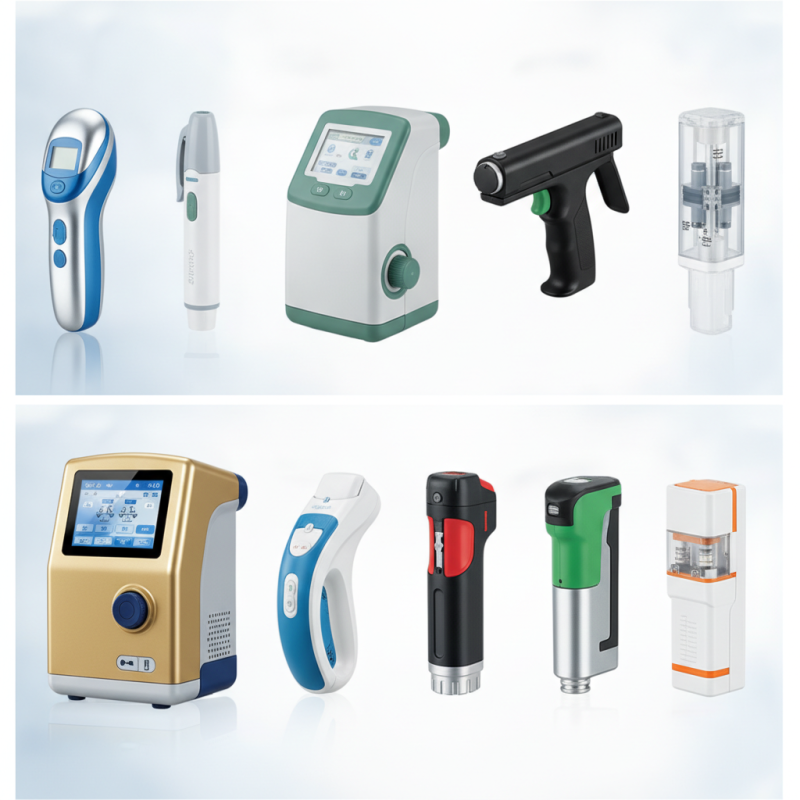
When considering auto syringe models, understanding current market trends is vital. The market is leaning towards automation and precision. Medical professionals seek devices that enhance efficiency and reduce manual errors. New models often feature advanced technology, enabling quicker and safer medication delivery.
Tips for Choosing the Right Model: Look for syringes that allow adjustable doses. Some models also offer customizable settings, which could suit different needs. Ease of use is crucial. A complicated device may lead to hesitance in usage. Always prioritize comfort and convenience in operation.
Another trend is sustainability. Manufacturers are exploring eco-friendly materials. This approach resonates with environmentally conscious buyers. Users should reflect on the long-term use of materials. A robust model may come at a higher upfront cost but could be a worthwhile investment over time.
Consider the availability of technical support and training. This aspect can significantly influence your experience. Often, new users face challenges with setup and maintenance. Having reliable support can alleviate many concerns. Make sure to evaluate each option thoroughly before purchase.
When selecting an auto syringe model, consider several key features. The accuracy of dosing is critical. Precise delivery of medication is essential for patient safety and treatment effectiveness. A report by the International Journal of Pharmaceutical Compounding indicates that inaccuracies in dosing can lead to significant health risks. Look for models with a proven track record in achieving consistent dosages.
Ease of use is another vital aspect. User-friendly designs can enhance the overall experience for both healthcare professionals and patients. Models with intuitive controls and easy-to-read displays tend to have higher user satisfaction ratings. Research from the American Society for Automation in Pharmacy shows that user frustration often arises from complicated interfaces. Keep this in mind when evaluating options.
Durability matters too. An auto syringe should withstand regular use without frequent breakdowns. Models made from high-quality materials usually offer better longevity. However, some highly durable models can be pricier. You may need to weigh cost against potential savings in maintenance and replacements. Inconsistencies in material quality can lead to unexpected failures; thus, comprehensive reviews and feedback should guide your choice.
When selecting an auto syringe, performance and reliability are paramount. Various models on the market offer different features and capabilities. Some have advanced precision, ensuring accurate dosing consistently. Others focus on ease of use, making them ideal for beginners. It's crucial to weigh these factors based on your specific needs.
Testing shows that some syringes perform better under high-pressure conditions. Reliability fluctuates, with some models failing after prolonged use. Users often report issues with leaks and inaccurate dosages. These problems highlight the importance of thorough research before purchase. Reviews from healthcare professionals can provide insights into which models surpass expectations and which ones fall short.
Consider the materials used in production. Some syringes may seem sturdy but might degrade over time. This deterioration can lead to failure during critical moments. Understanding the strengths and weaknesses of each model allows for informed decisions. Reflecting on feedback from other users enhances your understanding of real-world experiences.
| Model | Performance Rating | Reliability Rating | Features | Price ($) |
|---|---|---|---|---|
| Model A | 9.2 | 9.0 | Auto calibration, LCD display | 150 |
| Model B | 8.8 | 8.5 | Compact design, Battery operated | 120 |
| Model C | 9.0 | 9.2 | Multiple size compatibility, Ergonomic | 180 |
| Model D | 8.5 | 8.0 | Quick release mechanism, Lightweight | 100 |
| Model E | 9.3 | 9.1 | Auto syringe management, USB charge | 200 |
| Model F | 8.0 | 8.3 | Affordable, Basic functions | 75 |
| Model G | 9.1 | 9.4 | Bluetooth connectivity, High precision | 250 |
| Model H | 8.7 | 8.9 | Easy to use, Sturdy build | 130 |
| Model I | 9.5 | 9.3 | Touch screen, Customizable settings | 320 |
| Model J | 8.9 | 8.8 | Quiet operation, Long battery life | 110 |
When considering auto syringes, pricing can significantly vary. Understanding this landscape is critical for healthcare professionals and organizations. A recent industry report highlighted that the price range for auto syringes typically ranges from $20 to $100 per unit, depending on features and technology. Brands that invest in innovative safety features often come at a higher price point. For instance, some units equipped with advanced needle technology can cost considerably more due to their enhanced safety profiles.
However, not every high-priced option guarantees better quality or performance. A comparative analysis revealed that several mid-range models provide similar functionalities. These models often include ergonomic designs and reliable dosage accuracy, making them attractive alternatives. The evaluation of user reviews shows that many budget options are praised for their dependability, despite lower price tags. It raises a question: do higher prices always equate to better performance?
Additionally, discrepancies in pricing may arise from regional variations and distribution channels. Data suggests that purchasing in bulk can yield significant discounts, making auto syringes more accessible to smaller practices. It's essential to weigh factors such as healthcare needs and budget considerations before making a decision. Reflecting on these aspects can lead to a more informed choice, ensuring that both quality and cost are addressed effectively.
User feedback plays a crucial role in evaluating the
clinical efficacy of auto syringes. Healthcare professionals often highlight their experiences with these devices
in various medical settings. Many appreciate the convenience
and precision auto syringes provide. They report improved medication
administration, which can enhance patient outcomes. However, not all feedback is positive.
Some users encounter issues like difficulty in loading syringes. Others mention occasional malfunctioning that
disrupts workflow. These inconsistencies can lead to patient anxiety and uncertainty. It’s essential for
manufacturers to take this feedback seriously. Addressing common user concerns is necessary for
continuous improvement.
In terms of clinical efficacy, studies suggest that auto syringes can reduce medication error rates. They help
standardize dosages and prevent manual errors. However, some practitioners argue that training
is vital. Inadequate training may counteract the potential benefits. Balancing user feedback
with clinical research is key to ensuring these devices are safe and effective in practice.
: Prices typically range from $20 to $100 per unit, influenced by features and technology.
Not necessarily. Some mid-range models offer similar functionalities as high-priced options.
Advanced safety features and needle technology often drive up costs significantly.
Yes, many budget options have received positive user feedback for their dependability.
Purchasing in bulk can lead to significant discounts, making syringes more affordable.
Users report issues like difficulty in loading and occasional malfunctions, affecting workflow.
Studies indicate they can lower medication error rates by standardizing dosages.
Yes, inadequate training may undermine the benefits of these devices in clinical practice.
User experiences provide insights for manufacturers, highlighting areas that need improvement.
They should weigh healthcare needs, budget, and product reliability carefully.
The article "Top 10 Auto Syringe Models You Should Consider for Purchase" presents a comprehensive overview of the current market for auto syringes, highlighting key trends and innovations. It outlines essential features to consider when selecting an auto syringe, such as ease of use, precision, and safety mechanisms. The performance and reliability ratings of the leading models are discussed, providing valuable insights into their effectiveness and user satisfaction.
Additionally, the article offers a comparative analysis of pricing across various auto syringe brands, equipping potential buyers with necessary economic considerations. User feedback and clinical efficacy are also examined, reinforcing the importance of real-world performance in medical environments. Overall, this resource serves as a guide for those seeking to make informed decisions regarding auto syringes, combining expert insights with practical evaluations.

WANJIA