In the world of veterinary medicine, precision is crucial. Veterinary needles are vital tools for ensuring quality animal care. According to a report by Global Market Insights, the veterinary needles market size reached USD 425 million in 2022 and is expected to expand further. This growth signifies an increased focus on animal health and welfare globally.
Dr. Emily Carter, a renowned expert in veterinary medicine, emphasizes the importance of these tools: "Quality veterinary needles are crucial for effective treatment." Her insight highlights the need for veterinarians to choose the right equipment carefully.
However, despite advancements, some practitioners still overlook the role of quality needles. Inadequate tools can lead to complications in procedures or discomfort for animals. This underlines a pressing need for education regarding the selection of veterinary needles. Good choices can ensure both safety and efficacy in treatments.
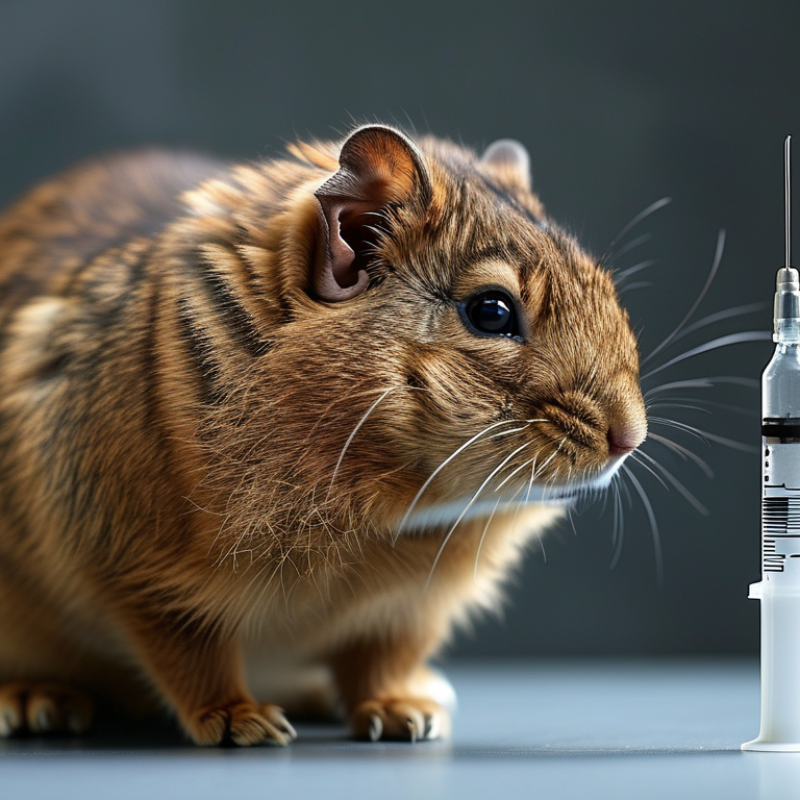
Veterinary needles play a crucial role in animal healthcare. These small but essential tools facilitate various treatments, from vaccinations to blood draws. Different sizes and types are available, catering to various animal species and medical needs. Selecting the right needle can significantly impact the comfort and safety of the animal during procedures.
In practice, some veterinarians may overlook the importance of needle gauge, leading to potential discomfort. A larger gauge needle might be required for thicker substances, but it can cause more pain. Conversely, a smaller needle can minimize discomfort but may not be suitable for all procedures. Understanding the nuances of needle selection is vital for effective animal care.
Moreover, the quality of materials used in veterinary needles influences their reliability. Lower-quality needles may lead to breakage during use, compromising treatment effectiveness and safety. This highlights the need for ongoing education and awareness in the veterinary community. Staying updated on best practices can ensure that animal care is both humane and effective.
Veterinary needles are essential tools in animal healthcare. Understanding the different types is crucial for practitioners. Several categories include hypodermic needles, IV catheters, and special-purpose needles. Each type serves a specific purpose, influencing both the procedure and animal comfort.
Hypodermic needles come in various gauges and lengths. Thinner needles are less painful but may not be suitable for all medications. IV catheters are critical for fluid therapy. They require a different approach, ensuring proper placement and maintenance. Special-purpose needles, like those for biopsies, demand precision and expertise. Practitioners must choose based on the animal's needs and the procedure's complexity.
Experience tells us that sometimes, the perfect choice is hard to find. Variations in animal anatomy challenge even seasoned vets. Misjudgments can occur, leading to complications. Reflecting on past experiences can help improve future decisions. Quality care hinges on understanding the tools at hand.
Choosing the right needle gauge and length is crucial in veterinary care. Each animal species has unique requirements. A small gauge needle may be appropriate for cats, while a larger gauge is often needed for larger dogs. Understanding these differences enhances the quality of care.
Needle length also varies based on the animal's size and the injection site. For small animals, a short needle can minimize discomfort. For larger species, a longer needle ensures proper administration of medication. It’s essential to consider the depth of tissue to reach the correct administration site.
Veterinarians face challenges in needle selection. Sometimes, a wrong choice can lead to complications. This can cause anxiety for both the animals and the caregivers. Regular training and updated knowledge about equipment are necessary for ensuring effective treatment. Being informed leads to better outcomes and improved animal welfare.
| Animal Type | Recommended Needle Gauge | Needle Length (mm) | Common Uses |
|---|---|---|---|
| Dogs | 18-22 | 25-50 | Vaccinations, Blood draws |
| Cats | 20-25 | 20-38 | Vaccinations, IV administration |
| Large Animals (e.g., Horses) | 16-18 | 50-75 | Vaccinations, Sedation |
| Small Animals (e.g., Rabbits) | 22-25 | 25-38 | Vaccinations, Blood draws |
| Exotic Animals (e.g., Birds) | 25-27 | 12-25 | Blood draws, Medications |
Veterinary needles play a crucial role in animal healthcare. However, their safe and effective use requires attention and knowledge. According to a report by the World Organization for Animal Health, improper needle use is a significant issue, leading to complications in treatment. In fact, studies indicate that about 30% of veterinary professionals experience needle-related injuries annually. These injuries can jeopardize both animal and human health.
Practicing proper hygiene is vital. Always use single-use needles wherever possible. The Centers for Disease Control and Prevention recommend this to minimize infection risks. Additionally, choosing the correct gauge and length is essential for different species. For instance, larger animals may require thicker needles for efficient fluid delivery. Knowing this reduces stress for the animal and ensures swift recovery.
Training staff on safe needle disposal is equally crucial. Inadequate disposal methods pose a threat not only to the veterinary team but also to the environment. The American Veterinary Medical Association emphasizes regular training to enhance awareness of these risks. Continuous education empowers teams to reflect on their practices, ensuring better care and safety protocols are in place. Evolving these practices can significantly improve outcomes for veterinary patients worldwide.
Innovations in veterinary needle technology have significantly improved animal care. Recent studies reveal that new needle designs reduce pain and anxiety during procedures. A report from the International Journal of Veterinary Medicine indicates that advanced needles can decrease tissue trauma by up to 30%. This is crucial for both large and small animals.
One notable innovation is the introduction of thin-walled needles, which enhance medication delivery efficiency. These needles allow for a better flow rate, ensuring that treatments are administered quickly. Moreover, the use of silicone coatings has made insertion smoother, minimizing discomfort. According to the Veterinary Record, 75% of veterinarians reported a noticeable reduction in stress levels in animals when using these advanced needles.
However, not all innovations are flawless. Some practitioners have voiced concerns regarding the consistency of these newer needle designs. Variability in manufacturing can sometimes result in unexpected reactions. This emphasizes the need for continuing education on the latest tools and techniques. Overall, while advancements in needle technology show promise, it is vital to remain vigilant in monitoring their efficacy and safety for animal welfare.
: Each animal species has unique needs. A suitable needle gauge enhances the quality of care provided.
Needle length changes based on the animal’s size and injection site. Short needles are better for small animals.
A wrong choice can lead to complications and anxiety for both animals and caregivers. This can impact care quality.
New needle designs reduce pain and anxiety. Thin-walled needles improve medication delivery efficiency for animals.
Silicone coatings create smoother insertions, reducing discomfort for animals during procedures. This leads to better animal welfare.
Yes, there's variability in manufacturing. Some designs may cause unexpected reactions in animals, requiring careful monitoring.
Regular training and education on the latest tools and techniques are essential for effective treatment and animal welfare.
Advanced needles have shown to lower stress levels in animals significantly during treatments, improving their overall experience.
Veterinary needles play a crucial role in ensuring quality animal care worldwide, serving as essential tools for administering medications, vaccinations, and therapies. This article provides an overview of various types of veterinary needles available, offering a comprehensive guide to help practitioners choose the appropriate gauge and length for different animals based on their specific needs.
Additionally, best practices for the safe and effective use of veterinary needles are discussed, emphasizing the importance of hygiene and precision in animal treatment. Furthermore, the article highlights innovations in veterinary needle technology, showcasing how advancements are transforming veterinary practices and enhancing the overall care provided to animals. Such developments not only improve the efficiency of procedures but also contribute to better health outcomes for various species.
WANJIA