Why Choose Small Ear Tags for Goats?

Time:2026-10-19 Author:Ethan
0%

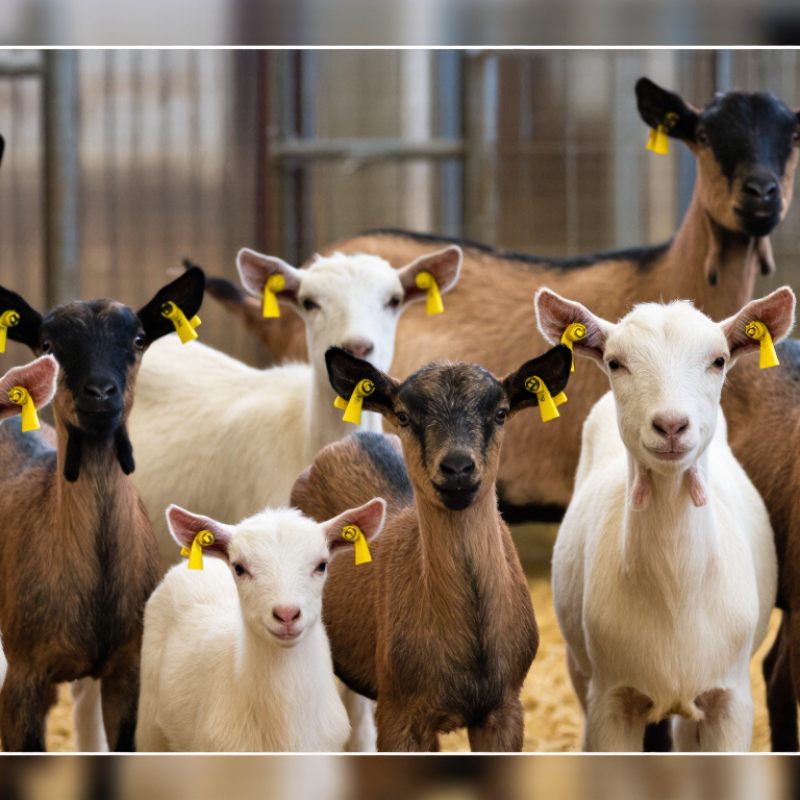
Choosing the right ear tag can make daily goat management calmer, faster, and more reliable. A Small Ear Tag For Goat offers visible identification without adding unnecessary weight to a young or compact ear. Its reduced size can help prevent snagging on fencing, branches, or feeding equipment. It can also make routine checks less stressful when goats move through a narrow handling area.

Good identification supports accurate records. Breeders can match a goat with its birth date, health history, vaccination notes, and breeding information. Clear numbers matter. So does readable printing. In practical herd work, a tag should remain visible after dust, rain, rubbing, and several months of growth. Flexible materials may reduce pressure, while smooth edges can help limit irritation. However, no tag suits every animal. Ear shape, breed, age, and application technique all deserve careful attention. A tag that looks small on the package may still feel large on a newborn kid.

Reliable choices come from proven materials and consistent herd procedures. Check the tag regularly for swelling, tearing, fading, or partial detachment. Remove or replace damaged tags using responsible animal-care practices and suitable equipment. Local identification requirements may also influence the size, numbering system, or placement you choose. Expert guidance is valuable when an ear appears unusually thin, sensitive, or injured. Small tags can improve handling, but they are not a complete management system. Records still need updating. Mistakes can happen. Careful observation remains essential.
Why Choose Small Ear Tags for Goats?

Small Ear Tags for Goats: Definition and Basic Purpose

Small ear tags for goats are lightweight identification markers designed to fit comfortably on a goat’s ear. They usually carry a number, letter, or simple farm code. Their basic purpose is clear identification during daily care.

A small tag can help match a goat with health records, breeding notes, vaccination dates, and treatment history. In a busy pen, this saves time. A readable number is often more useful than trying to remember coat colors or horn shapes. I have found that clear records reduce mistakes during routine handling.

The tag should be large enough to read, but not so heavy that it pulls the ear. Fit matters. A poorly placed tag may catch on fencing, irritate the ear, or become difficult to read after dirt builds up. Clean equipment and careful placement are essential. A trained handler or veterinary professional can help select the correct position and size.

Check each tag regularly. Look for swelling, tearing, fading, or trapped debris. Small tags are not automatically better. Very tiny lettering can defeat their purpose, especially in low light. Local livestock identification rules may also set specific requirements for numbering, placement, or recordkeeping. Those rules should guide the final choice.

Why Choose Small Ear Tags for Goats?

Small goat ear tags are designed to provide essential identification while reducing weight, bulk, and the chance of snagging on fencing or vegetation. The dimensions below represent common compact tag formats; exact sizes may vary by supplier and local identification requirements.

How Small Ear Tags Improve Goat Identification

Why Choose Small Ear Tags for Goats?

Small ear tags can make goat identification faster and less stressful. Their compact size reduces the chance of catching on fences, feeders, or dense brush. This matters in active herds where goats push, climb, and rub against rough surfaces. Smaller tags also feel less bulky during handling. However, size alone does not guarantee better identification.

Clear numbers remain essential. A tag should use strong contrast, readable characters, and consistent placement. Handlers can quickly match the number with health records, breeding notes, vaccination dates, and treatment history. In bright daylight, a small tag may be easy to read from several meters away. Poor lighting changes that result. A headlamp or closer inspection may still be necessary.

A practical routine improves accuracy. Check each tag during feeding or hoof care. Look for fading, twisting, swelling, or damage around the attachment point. Small tags are not perfect. I have seen a neat tag become difficult to read after mud covered its surface. Cleaning and regular record checks prevent small errors from becoming larger management problems. Trained personnel should fit tags carefully and follow applicable animal welfare and identification requirements. Each goat still needs visual confirmation, not just a number.

Why Choose Small Ear Tags for Goats? - How Small Ear Tags Improve Goat Identification

Identification Factor How Small Ear Tags Help Practical Benefit for Goat Management Recommended Practice
Visibility without excessive size A compact tag provides space for an identification number while creating less visual bulk on the ear. Makes individual goats easier to distinguish in pens, pastures, and handling areas. Use large, high-contrast numbers that can be read at the normal working distance.
Lower weight on the ear Smaller tags generally use less material than oversized tags, reducing the load attached to the ear. Can improve comfort, especially for young goats with smaller ears. Select a tag size appropriate for the goat’s age, ear structure, and identification requirements.
Reduced snagging risk A compact profile presents less surface area that may catch on fencing, feeders, or vegetation. Supports safer movement in enclosed housing and outdoor grazing areas. Inspect tags regularly and remove or replace damaged tags promptly.
Clear record matching A unique number links the goat to health, breeding, feeding, and production records. Reduces the chance of confusing animals with similar coat colors or markings. Assign one unique identification number per goat and keep the same number in all records.
Fast visual checks Numbered tags allow staff to identify goats without relying only on physical appearance. Saves time during treatments, vaccinations, weighing, sorting, and routine inspections. Position the tag so the printed or embossed number faces outward and remains easy to read.
Suitability for young goats A smaller format can be better suited to the limited space available on a kid’s ear. Provides early identification for accurate growth, pedigree, and health tracking. Follow local animal-welfare and identification regulations, and use correct application tools.
Long-term readability A simple, uncluttered design makes the identification number easier to recognize over time. Improves record accuracy throughout the goat’s productive life. Choose durable, weather-resistant material and replace tags when numbers become unreadable.
Complementary identification Small visual tags can be used alongside electronic identification where regulations or farm systems require it. Combines quick visual recognition with more detailed digital recordkeeping. Confirm that the visual number and electronic identification are correctly linked in the herd database.

Note: Tag size, placement, and identification requirements should be selected according to the goat’s age, ear condition, management system, and applicable local regulations.

Choosing the Right Size, Material, and Design

Why Choose Small Ear Tags for Goats?

Choosing the Right Size, Material, and Design

Small ear tags suit goats because their ears are lighter and more delicate than those of cattle. A compact tag reduces pulling, snagging, and unnecessary weight during daily movement. Fit matters. The tag should remain readable without touching the ear edge or nearby skin.

Choose a flexible, weather-resistant material that tolerates rain, dust, sunlight, and repeated handling. Durable plastic is practical for most herds, while softer materials may reduce irritation in sensitive ears. Inspect the applicator and pin carefully before fitting. A poorly aligned hole can cause tearing, especially in young goats. Clean equipment also helps reduce avoidable infection risks.

Design affects real farm work. High-contrast numbers are easier to read beside a gate or under dim shed lighting. Rounded edges can reduce catching on fencing and brush. Leave enough space for ear growth, but avoid excessive looseness. I once selected a tag that looked ideal on paper, yet it twisted during handling. That mistake taught me to test readability and movement before tagging the whole group. Keep it simple. Use a clear identification system linked to accurate herd records. A small tag is useful only when people can read it quickly and maintain it properly.

Applying and Maintaining Small Goat Ear Tags Safely

Why Choose Small Ear Tags for Goats?

Small ear tags can suit goats because they reduce weight and limit contact with fences, feeders, and other animals. Their compact size also keeps identification visible without making the ear feel crowded. Yet size alone does not guarantee safety. The tag must match the goat’s age, ear thickness, and identification requirements. Local livestock rules may also specify acceptable placement or information.

Applying the tag needs calm restraint, clean hands, and disinfected equipment. Choose a well-lit area and inspect the ear first. Avoid veins, damaged skin, and the thick cartilage ridges. The tag should sit between the main vessels, with enough space for natural movement. Not too tight. A trained handler or veterinarian can demonstrate the correct position, especially for young or nervous goats. A rushed application can cause bleeding, tearing, or lasting irritation.

Check the ear daily during healing. Look for swelling, heat, discharge, bad odor, or a tag pressing into the skin. Remove tangled bedding gently, and never force a stuck tag. After healing, inspect it during routine handling because small tags can still snag or fade. A common mistake is assuming a clean application needs no follow-up. It does. If the ear looks painful, separate the goat from hazards and seek veterinary advice promptly. Reconsider the tag if repeated snagging occurs; identification is useful, but welfare comes first.

Legal, Welfare, and Record-Keeping Considerations

Why Choose Small Ear Tags for Goats?

Small ear tags can suit goats because their ears are delicate and easily caught on fencing. A lighter tag may reduce pulling, tearing, and repeated irritation during normal movement. However, small does not automatically mean better. The tag must remain readable and secure throughout the goat’s life.

Legal requirements should guide the choice. Rules differ by country, region, and animal category. Some authorities require specific colors, identification numbers, or electronic records. Others may set minimum tag sizes or replacement procedures. Check current guidance from your livestock authority or veterinarian before tagging. Keep purchase records and note when each tag was applied. Guessing can create expensive problems later.

Welfare depends on careful handling. Use clean equipment, place the tag correctly, and avoid the thicker blood vessels. An experienced handler should restrain the goat calmly, especially young animals. Inspect the ear after tagging and during routine checks. Watch for swelling, heat, bleeding, or a loose tag. Small problems are easier to manage early. I have found that hurried tagging saves little time and often causes more work. The record should match the animal: tag number, birth date, sex, breed, treatments, movements, and replacement details. A clear notebook or digital log supports traceability when memory fails. Some keepers overlook duplicate numbers or faded marks. That weakness deserves regular review.

FAQS

Why are small ear tags suitable for goats?

They weigh less and reduce pulling against fences, feeders, and nearby animals. Smaller tags can also keep delicate ears less crowded.

What material should a small goat ear tag use?

Choose flexible, weather-resistant material that tolerates rain, dust, sunlight, and repeated handling. Durable plastic works well for many herds.

How should the tag size be chosen?

Match the tag to the goat’s age, ear thickness, and identification needs. Leave room for growth, but avoid excessive looseness.

What design details improve readability?

Use high-contrast numbers with rounded edges. Numbers should remain visible beside a gate or inside a dim shed.

Where should the tag be placed?

Place it between the main blood vessels and away from damaged skin or thick cartilage ridges. Avoid the ear edge.

How can application injuries be reduced?

Restrain the goat calmly and work in good lighting. Clean hands, disinfected equipment, and a carefully aligned applicator help prevent tearing.

What should be checked after tagging?

Inspect the ear daily during healing. Watch for swelling, heat, discharge, bad odor, bleeding, or pressure from the tag.

What if the tag keeps catching or twisting?

Remove nearby hazards and check whether the tag is too loose or poorly designed. I once trusted a perfect-looking design that twisted during handling. Test one tag before tagging the whole group.

Conclusion

Small ear tags for goats provide a practical way to identify individual animals without adding unnecessary weight or bulk. A Small Ear Tag For Goat can display a number, name, or other record reference, helping owners quickly distinguish goats during feeding, health checks, breeding management, and routine herd organization. Their compact design is especially useful for young or smaller goats, provided the tag remains clear and easy to read.

When selecting a tag, consider an appropriate size, durable and animal-suitable material, secure fastening, and a design that reduces the risk of catching on fencing or equipment. Application should be performed calmly with clean tools and in a suitable position, followed by regular checks for irritation, swelling, loosening, or damage. Owners should replace problematic tags promptly and maintain accurate records that connect each tag to the goat’s health, treatment, breeding, and ownership information. Local identification requirements and animal-welfare guidance should always be considered to support responsible, safe, and traceable goat management.


Ethan

Ethan

Ethan is a seasoned marketing professional with a deep expertise in our company's innovative product line. With a passion for sharing knowledge and insights, he takes the lead in regularly updating our corporate blog, where he explores industry trends, product features, and effective marketing......