Explore Shaoxing WANJIA's high-precision veterinary instruments designed to boost herd health and optimize agricultural productivity.
Established in 1985, Shaoxing WANJIA has spearheaded advancements in the livestock and animal health industry. From humble roots, we have emerged as a premier developer and global manufacturer of top-tier veterinary instruments.
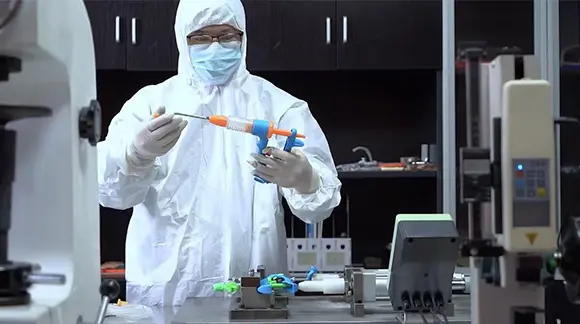
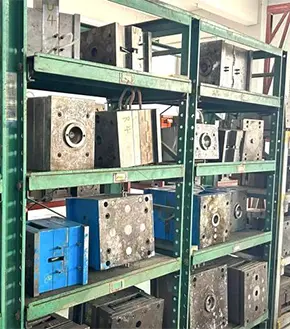
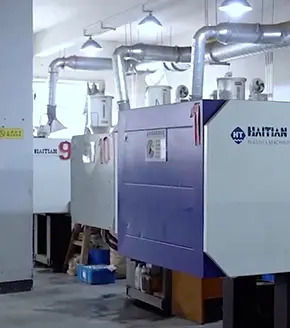
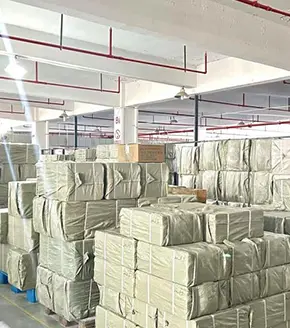
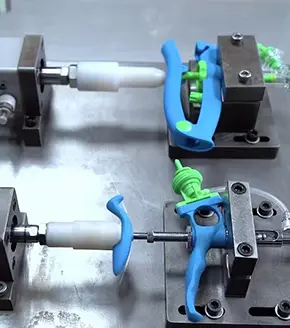
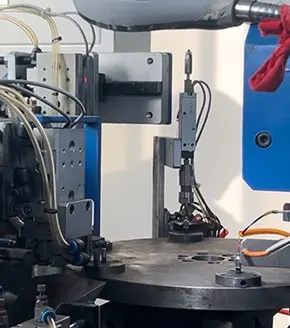
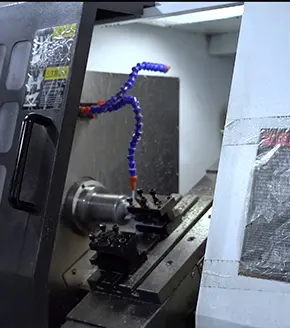
Our 20,000 m² state-of-the-art facility integrates advanced precision robotics, automated injection molding, and strict verification protocols. Backed by 75+ patents and a specialized engineering team, we supply custom-engineered solutions to agricultural organizations in over 60 countries.
To lead global sustainable livestock farming and maximize animal health through cutting-edge technology.
Provide reliable, high-performance farm medical devices that secure biological safety and animal welfare.
Bovine mastitis is the single most expensive disease in the global dairy sector, draining billions of dollars annually in veterinary bills, discarded milk, premature culling, and reduced processing quality. In commercial dairy cows, the teat canal serves as the primary barrier against environmental pathogens, such as Streptococcus uberis and Escherichia coli. During the critical dry period—when milking ceases to allow udder tissue regeneration—the natural formation of a keratin plug in the teat canal is often delayed or incomplete. Research indicates that up to 25% of dairy cows fail to form an effective keratin plug within the first two weeks of dry-off, leaving them highly vulnerable to intramammary infections (IMI).
Bovi Vet Teat Plugs—both physical barrier inserts and bismuth-subnitrate-based internal teat sealants (ITS)—have revolutionized dry cow therapy (DCT). By creating a secure mechanical occlusion inside the teat cistern, these medical-grade plugs prevent bacteria from ascending into the mammary gland. For wholesale B2B buyers, veterinary distributors, and large-scale dairy integrations, selecting the best bovi vet teat plug manufacturer is a key operational decision that directly impacts farm profit margins, somatic cell counts (SCC), and animal welfare.
The requirement for bovine udder health solutions varies significantly across global dairy regions. In intensive, high-yield facilities across North America and Europe, strict regulatory limits on somatic cell counts (often capped at 200,000 cells/mL for premium pricing) force producers to adopt systematic dry-off protocols. This has triggered a massive demand for standardized, sterile teat plugs that can be easily administered during dry-off and cleanly removed post-calving.
Conversely, in the pasture-based, seasonal dairy operations of Oceania (Australia and New Zealand), the focus is on robust, weather-resistant external barriers and long-lasting teat sealants. The exposure of pasture-grazing herds to mud, organic debris, and heavy rain makes physical sealants and protective plugs indispensable. In emerging dairy hubs across Asia-Pacific and South America, rapid modernization has driven veterinary procurement officers to source direct from certified Chinese manufacturers. These partnerships guarantee bulk supply reliability, technical customization, and cost efficiencies that help sustain thin operating margins.
Historically, dry cow therapy relied almost exclusively on prophylactic intramammary antibiotics. However, the rise of antimicrobial resistance (AMR) has prompted global veterinary authorities to restrict antibiotic use. The industry has shifted toward physical, non-antibiotic teat sealants and plugs. These biological-grade physical barriers prevent bacterial ingress without risking antibiotic residues in the milk supply, aligning with the "One Health" global veterinary framework.
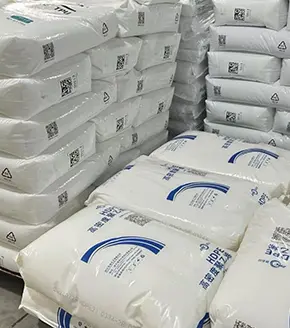
Modern teat plugs are engineered using advanced medical-grade silicone elastomers or specialized polyurethane compounds. These materials must maintain high flexibility to adapt to the anatomical contours of the teat canal while remaining chemically inert. They must resist degradation from acidic milk fats and udder sanitizers. At the same time, the material must prevent mucosal irritation that could lead to localized inflammation or hyperkeratosis.
Leading manufacturers design plugs with precise multi-ribbed segments or tapered geometries that mimic the natural shape of the teat canal. This dynamic design prevents slippage and expelling under pressure while remaining easy to remove manually at calving. Additionally, integration with standard intramammary syringes allows veterinarians to deploy the plugs smoothly and comfortably.
The deployment of bovine teat plugs must account for varying regional environments. In damp, humid areas where environmental pathogens thrive in bedding material, teat plugs are crucial for sealing the teat canal. In these climates, veterinarians recommend using a dual-action system: a physical teat plug coupled with an external, film-forming germicidal dip.
In cold, northern climates, extreme temperatures can cause teat skin to chap and lose elasticity. Here, teat plugs must remain highly flexible. Plugs that harden in cold weather can cause micro-abrasions in the canal, which increases infection risks. WANJIA's advanced formulation engineers modify the elastomer polymer chains to ensure the plug remains soft, flexible, and functional down to -20°C, ensuring reliable protection for herds in freezing winter climates.
Shaoxing WANJIA's engineering team is developing next-generation bovine health platforms. Our technical roadmap highlights two key innovations:
Our commitment to precision engineering and manufacturing excellence makes us a trusted B2B partner for veterinary distributors worldwide.

Our precision-engineered equipment, crafted with the latest technology and strict quality controls, guarantees exceptional performance and reliability.

We deliver products 30% faster than the industry average, ensuring timely solutions for your business needs.

Our professional and responsive team ensures a seamless experience, from product selection to after-sales service.
From initial design to final sterility packaging, we monitor every step to ensure our products meet international veterinary standards.
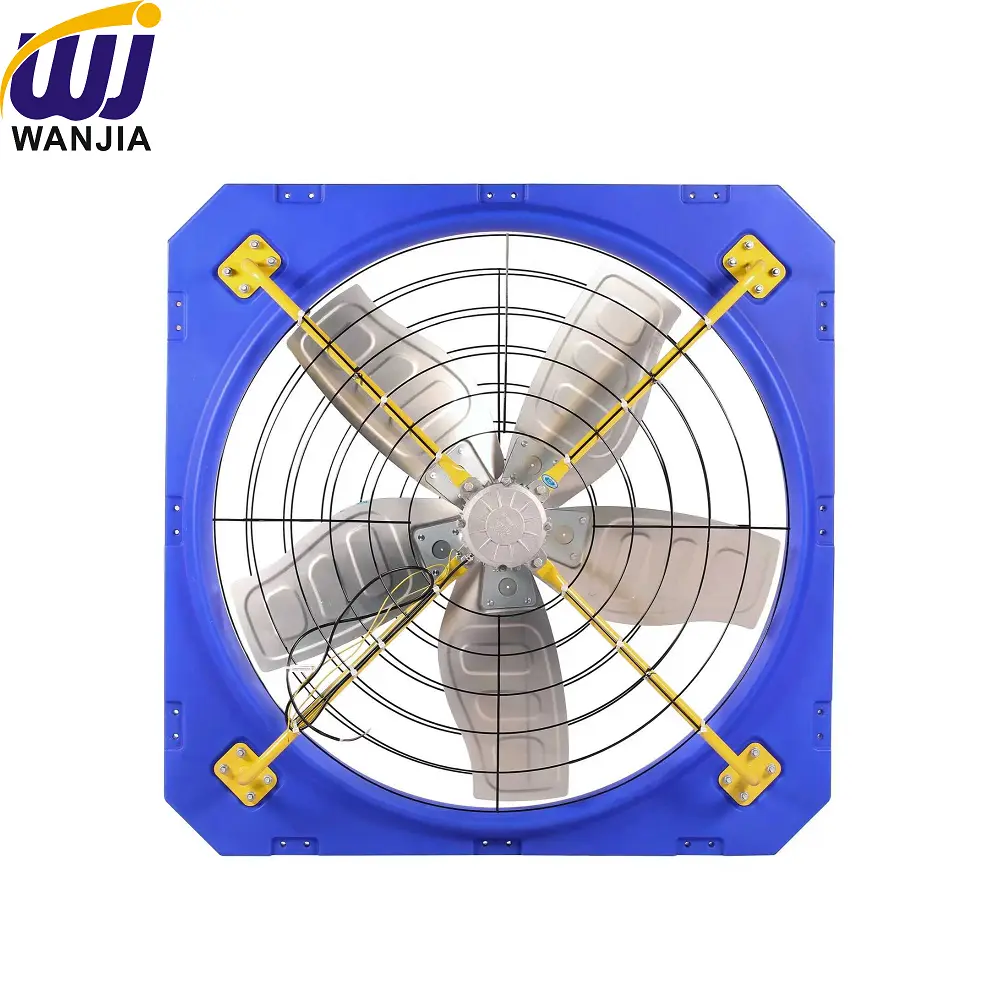
Sustainable dairy productivity relies on comprehensive herd health programs rather than single treatments. Maintaining a low somatic cell count and preventing mastitis requires clean housing, efficient ventilation, balanced nutrition, and precise vaccination protocols. At Shaoxing WANJIA, we offer an integrated ecosystem of agricultural and veterinary equipment to address these needs:
Get answers to common technical, material, and logistical questions about veterinary teat sealants and plugs.
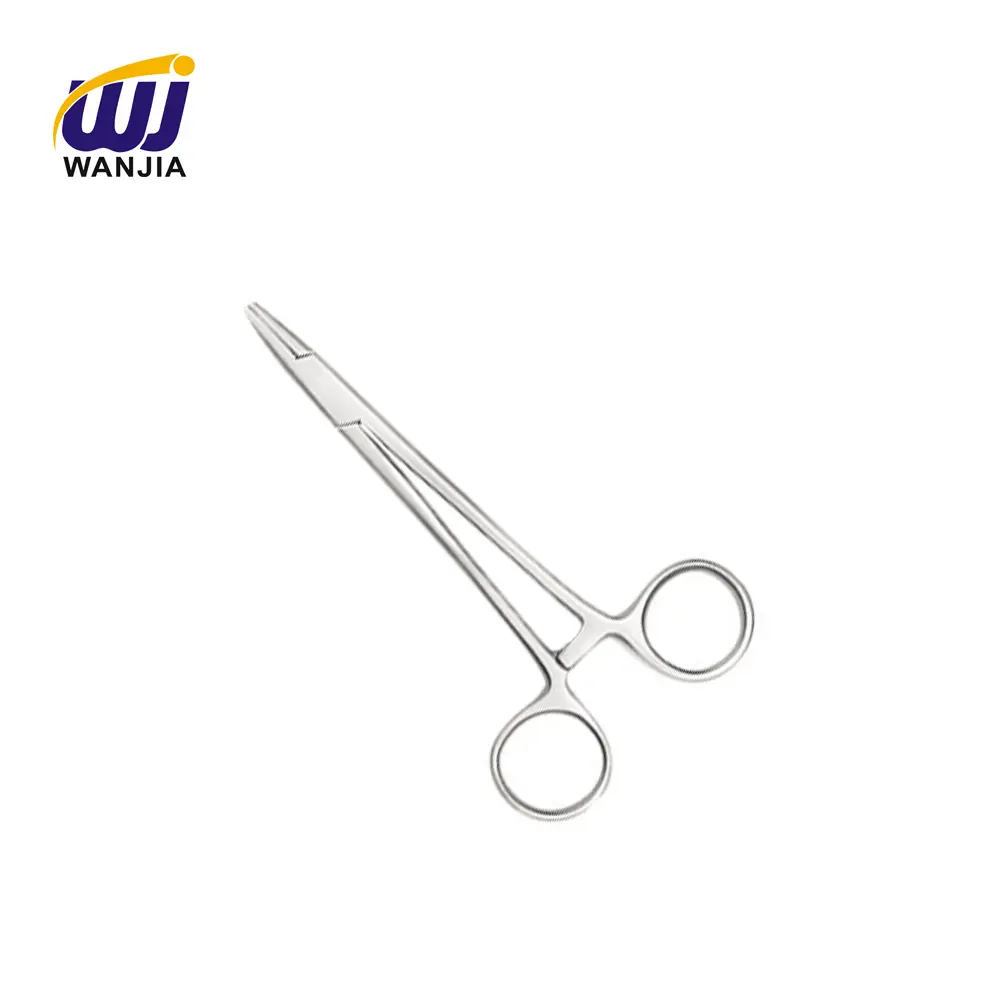
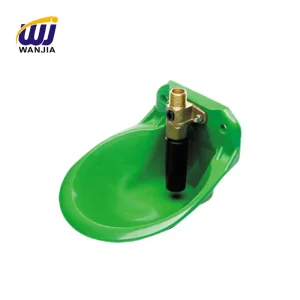
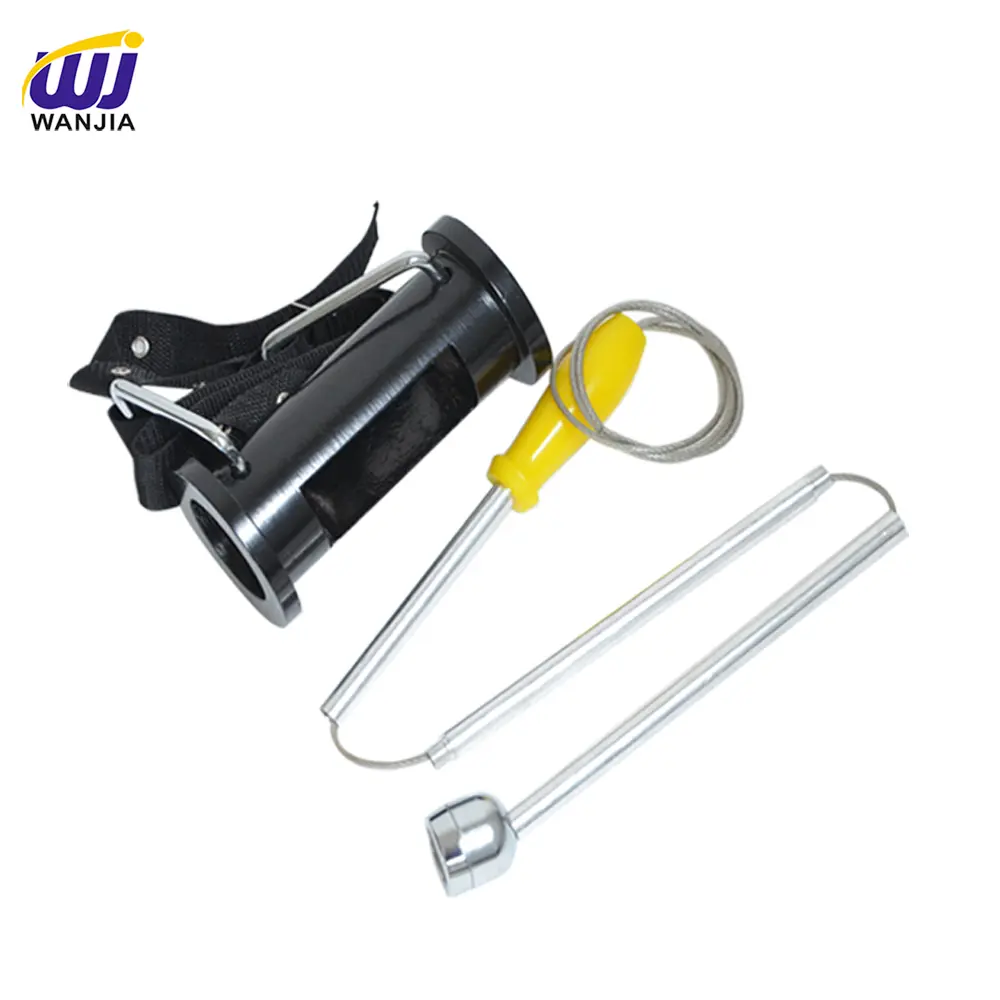
Complete your farm infrastructure with our range of durable veterinary instruments and livestock care products.
Shaoxing WANJIA offers high-quality veterinary products, competitive wholesale pricing, and custom OEM design services to support your business. Contact our sales engineers to request a quote.
Contact Our Sales TeamWe respond to all professional B2B inquiries within 12 hours.
 WANJIA