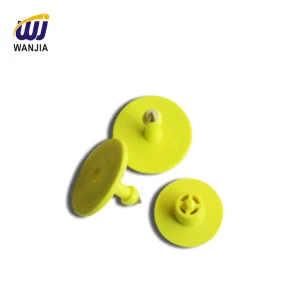
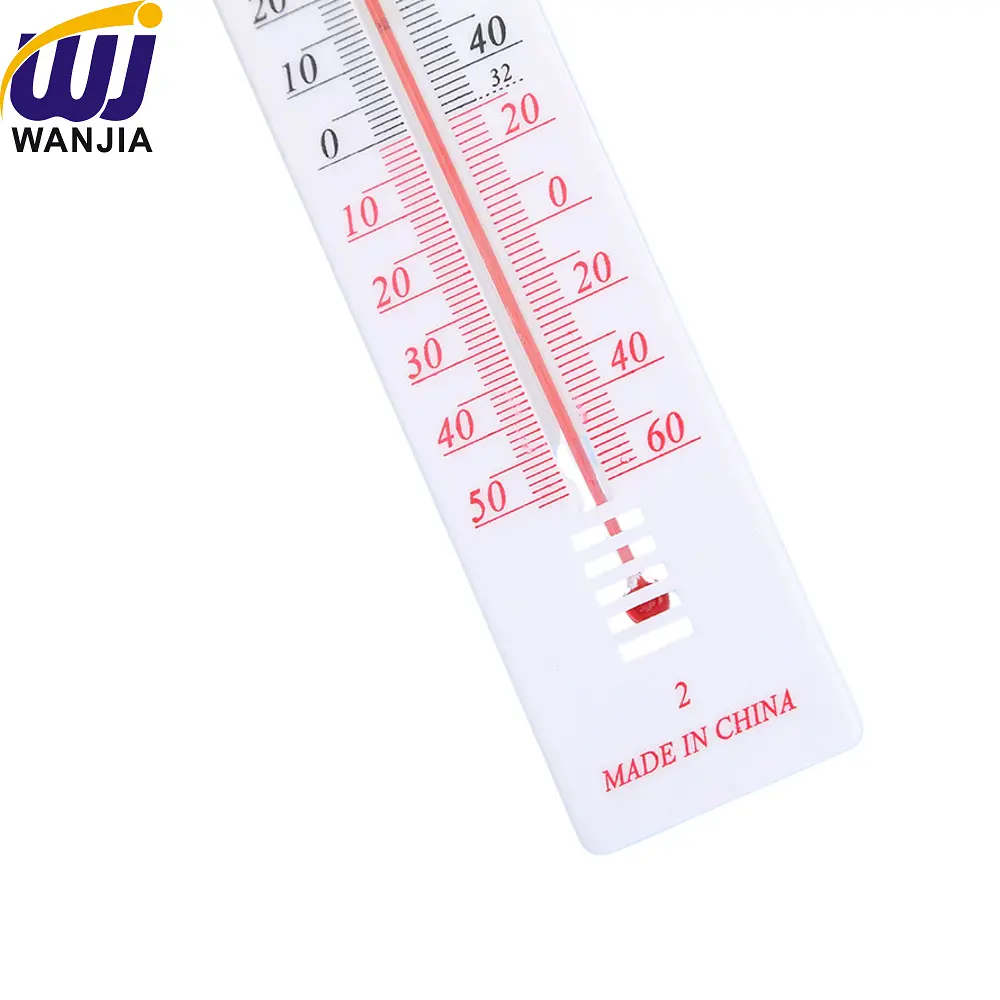
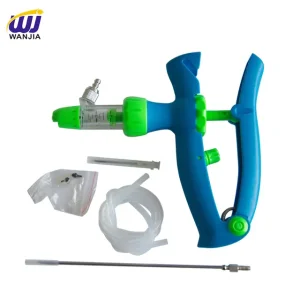
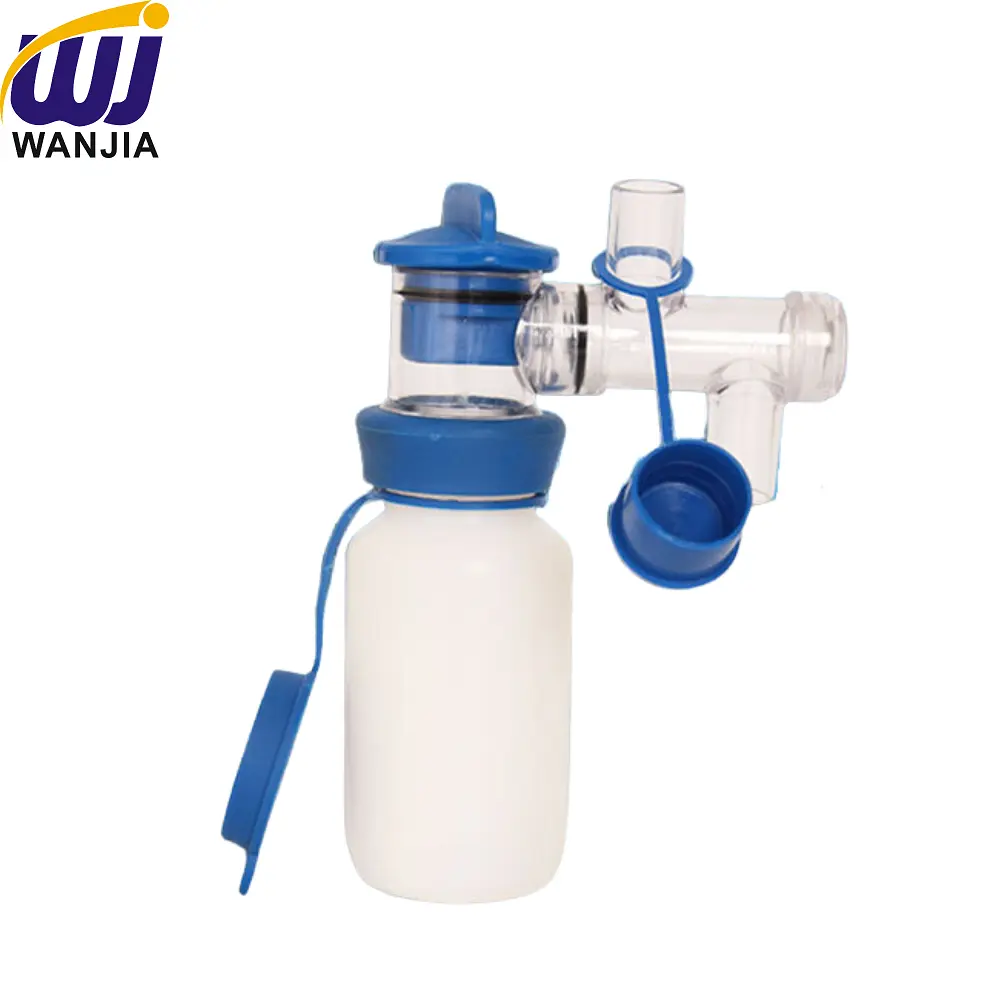
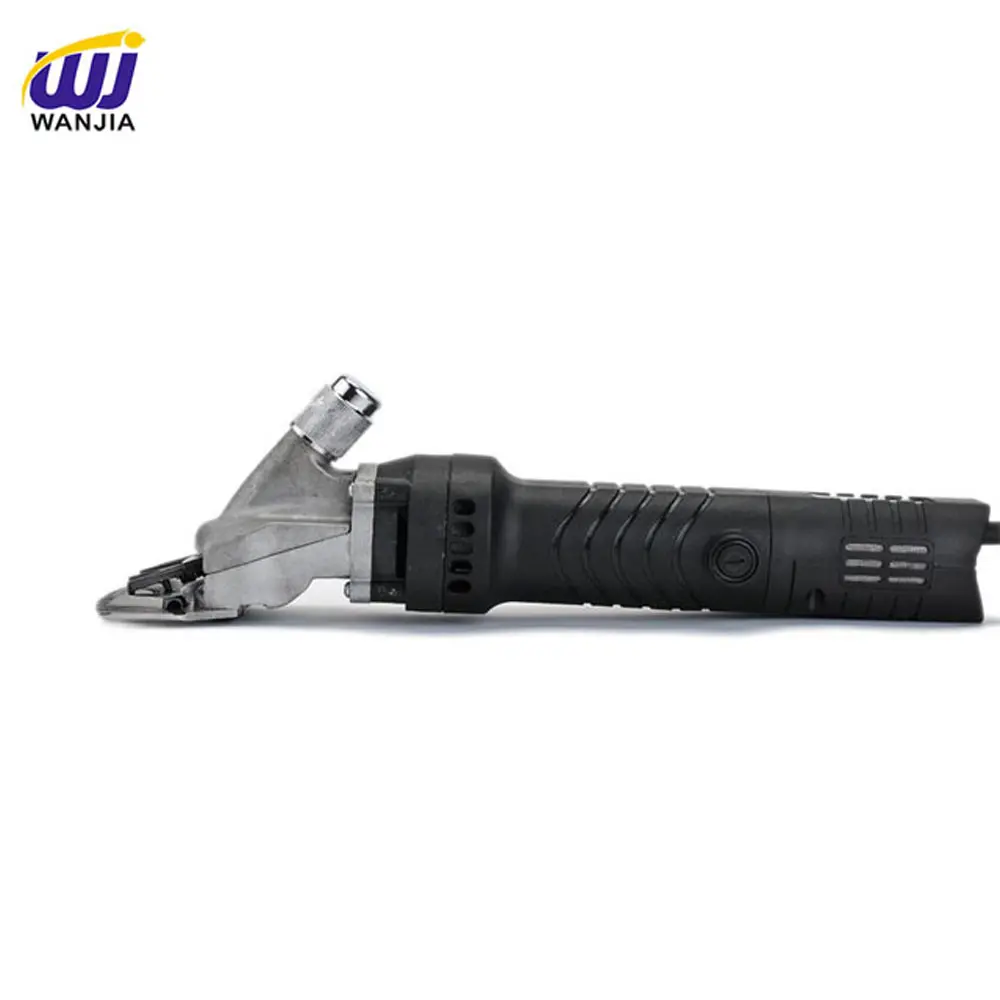
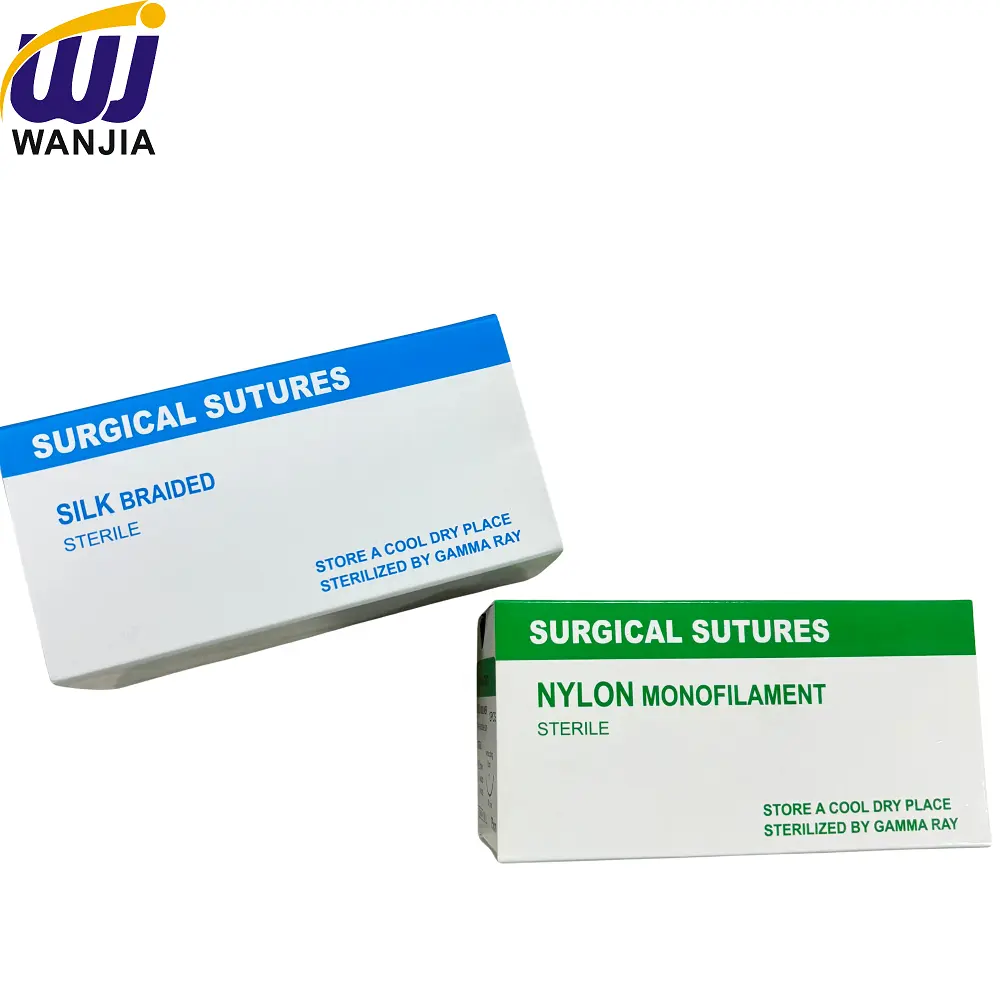
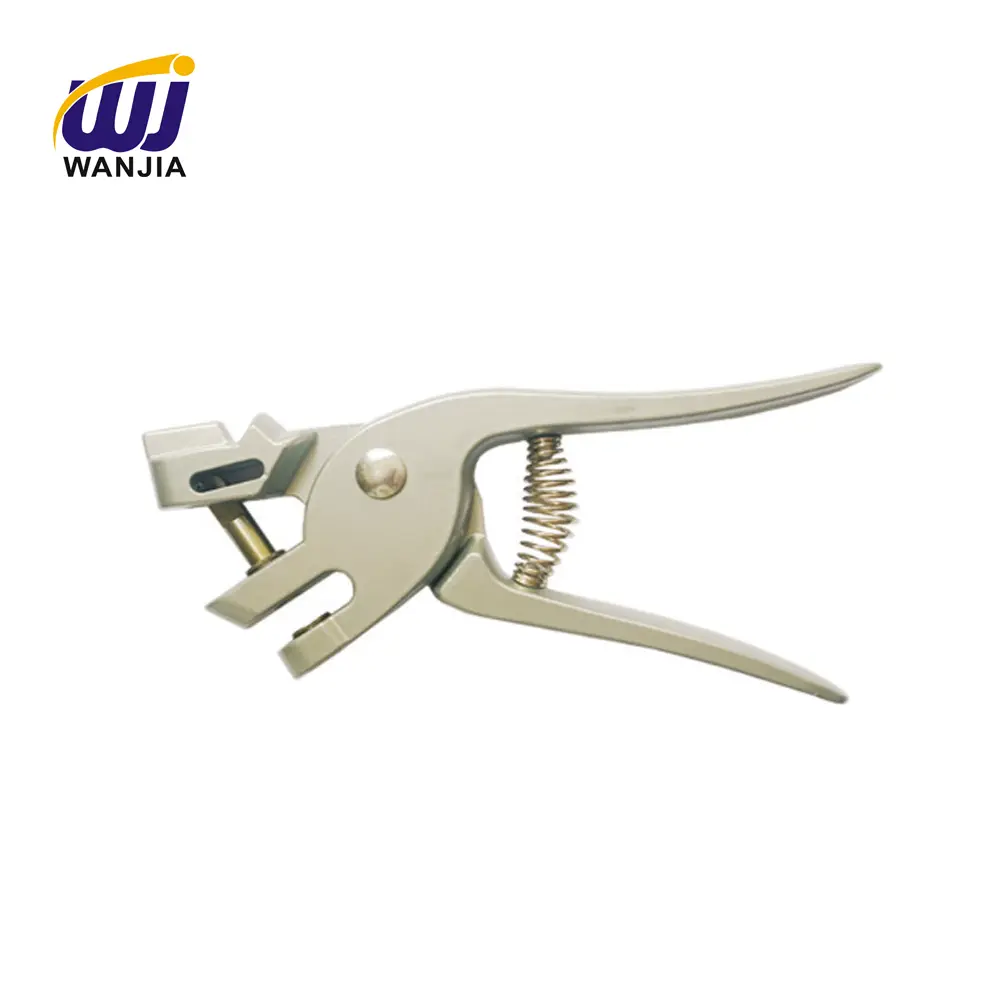
Explore our elite selection of veterinary tools designed to optimize farm efficiency, animal health, and breeding success.
In modern animal husbandry, optimizing reproductive performance is the single most critical factor determining farm profitability and operational sustainability. The financial consequences of "open days" (days when a breeding female is not pregnant past the optimal post-calving or post-weaning window) represent a silent drain on livestock businesses. For example, in the dairy industry, every open day past 100 days in milk can cost a farm between $3.00 and $5.50 per cow per day due to lost milk production, increased feed overheads, and rising replacement costs.
Historically, veterinary diagnostic options were limited to invasive rectal palpation, which requires significant veterinary training and carries a risk of embryonic loss if performed incorrectly, or expensive ultrasound imaging systems that demand high capital investments. Today, the global market is witnessing a paradigm shift toward point-of-care rapid diagnostics—specifically lateral flow immunoassays.
The global veterinary diagnostics market is experiencing rapid expansion, fueled by technological breakthroughs, rising demand for meat and dairy, and a transition to digital farming models. Several prominent macro trends define the industry today:
B2B buyers, including multinational veterinary product distributors, agricultural government organizations, and mega-scale breeding conglomerates, evaluate diagnostic factories based on rigorous criteria. Successful sourcing strategies require looking far beyond raw unit costs:
Global supply chains require products that can survive transit without cold-chain infrastructure. High-quality rapid test kits utilize stabilized colloidal gold or fluorescent microspheres to maintain an 18 to 24-month shelf life under room temperature storage (2°C to 30°C).
Distributors prioritize factories that have successfully engineered antibodies with negligible cross-reactivity. Kits must accurately distinguish true pregnancy markers from luteal phase hormones or post-partum residual antibodies to eliminate costly false positive results.
Large brand distributors require customizable packaging, multi-language instructions, varying kit configurations (single-use cassette vs. multi-well strip formats), and custom cutoff sensitivity thresholds tailored to regional cattle or swine breeds.
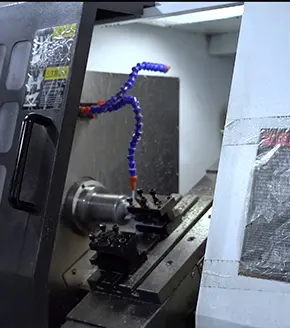
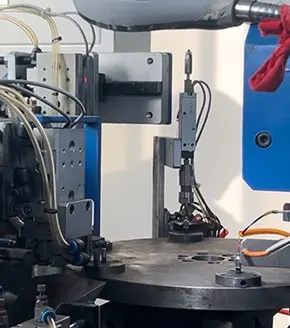
As the world faces unpredictable logistical challenges and fluctuating raw material costs, the resilience of the manufacturing partner is paramount. The integration of Factory 4.0 automation in China has redefined the global supply landscape for veterinary devices and diagnostic components.
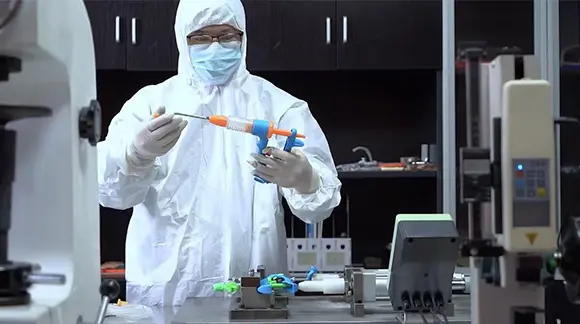
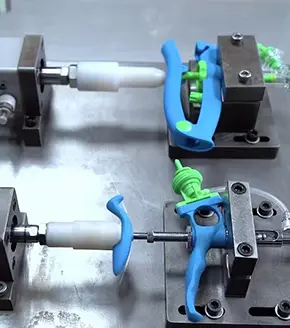
Chinese manufacturing hubs have moved away from labor-intensive assembly to fully integrated, intelligent supply chains. High-speed injection molding lines, cleanroom assembly systems, and automated packaging machinery ensure that every batch of diagnostic casings, syringes, and ear tags conforms to microscopic tolerances.
Shaoxing WANJIA, a pioneer in veterinary instrumentation since 1985, operates a state-of-the-art 20,000 square meter automated manufacturing facility. By combining high-precision automated mold production with an agile supply chain, Shaoxing WANJIA achieves delivery times that are 30% faster than the industry average. With over 75 patent certifications and a dedicated R&D team consisting of 15+ senior engineers, the factory ensures that every customized veterinary component is optimized for performance, scalability, and structural reliability.
Shaping the future of animal healthcare and livestock productivity through cutting-edge technology and robust equipment manufacturing.
Our precision-engineered equipment, crafted with the latest technology and strict quality controls, guarantees exceptional performance and reliability in demanding agricultural environments.
By optimizing our localized raw material network and automation protocols, we deliver products 30% faster than the industry average, ensuring timely solutions for your business needs.
Our professional and responsive team ensures a seamless experience, from initial product design and customization to after-sales service and technical field support.
Backed by a strong R&D team and 15+ professional engineers, we continuously launch new, high-quality products that adapt to the evolving needs of the global livestock industry.
Vision: To shape the future of animal health and livestock productivity, Shaoxing WANJIA aspires to lead the global livestock and animal healthcare industry. Through cutting-edge technology and high-quality equipment, we envision a world where sustainable livestock practices drive a healthier and more productive future.
Mission: To be a reliable supplier to our clients, supply high quality products that help improve animal health and well-being with sustainable practices.
From rigorous scientific design to cleanroom packaging, see how we construct our veterinary medical tools and diagnostic components.




The deployment of pregnancy testing kits varies heavily based on the livestock species, regional climatic challenges, and scale of the farming operation. Below are the three primary commercial deployment scenarios:
On large-scale dairies managing thousands of milking cows, reproductive scheduling is synchronized using automated management programs.
In intensive swine production, optimizing crate utilization is key to throughput. Sows must be confirmed pregnant within three to four weeks of insemination to prevent non-productive feed waste.
For sheep and goat pastoralists moving across expansive rangelands, heavy equipment like ultrasound scanners is logistically impractical.
Get authoritative answers to technical queries about veterinary pregnancy tests, manufacturing standards, and sourcing strategies.
A: For cattle, PAG (Pregnancy-Associated Glycoprotein) tests can detect pregnancy from blood samples as early as Day 28 post-insemination. In swine, progesterone rapid tests are effective between Day 23 and Day 30 post-breeding, while canine/feline relaxin diagnostic kits typically show reliable results from Day 25 to 30.
A: Under proper protocol compliance, high-quality veterinary rapid tests exhibit clinical sensitivity of 98.5% to 99.2% and specificity of 97.8% to 98.9%. Results are highly comparable to traditional transrectal ultrasonography but require no specialized training.
A: PAGs have a half-life in the bloodstream and can remain present for several weeks post-calving. Therefore, it is recommended to wait at least 60-70 days post-calving before testing new pregnancies in cows to avoid cross-reactive false positive results.
A: With over 15 professional engineers in our R&D team and 75+ patents, we offer comprehensive customization, including plastic structural changes, custom fluidic layouts, tailored cassette colors, branding, and customized packaging configuration. Turnaround time for custom evaluations is 12 hours.
A: Since 1985, we have implemented rigorous quality control standards. We hold international standards compliance and keep our operations aligned with ISO9001 and CE requirements, enabling smooth imports into Europe, the Americas, Asia, and over 60 countries globally.
A: Kits should be stored in dry conditions at temperatures between 2°C and 30°C. They should not be frozen. Foil pouches must remain sealed until the moment of testing to prevent humidity from destabilizing the colloidal gold conjugates.
Looking for reliable veterinary instrumentation or custom diagnostic device production? Get in touch for direct factory pricing, bulk order discounts, and ODM customization options.
Get In Touch (Reply within 24 Hours)
High-performance tools manufactured in our automated factory to meet the demanding requirements of global distribution partners.
 WANJIA