Engineered for high retention, weather resistance, and maximum visibility in Lesotho's highland farming systems.
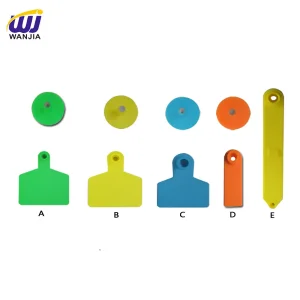
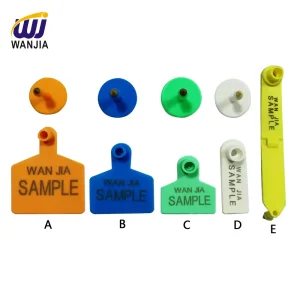
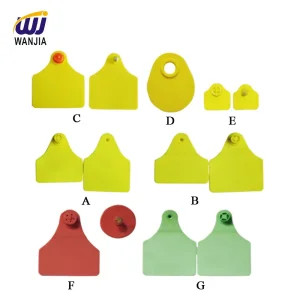
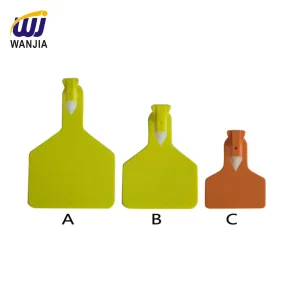
Agriculture in the Kingdom of Lesotho is the backbone of rural livelihoods, with over 70% of the population relying on livestock husbandry. The rugged alpine geography of the Maloti Mountains supports millions of Merino sheep and Angora goats, producing world-class wool and mohair. Concurrently, cattle ranching represents the cultural wealth and economic security of Basotho communities. However, this vibrant sector faces significant barriers: livestock theft (stock theft across remote borders), disease outbreaks (such as Foot-and-Mouth disease), and strict export protocols for meat products destined for South Africa and the European Union.
Establishing an airtight traceability framework via high-quality animal identification tags is no longer optional. It is a critical requirement for national food security and international trade compliance. As a premier global manufacturer, Shaoxing WANJIA designs and supplies specialized animal identification systems tailored to withstand the environmental and operational challenges unique to the Lesotho highlands.
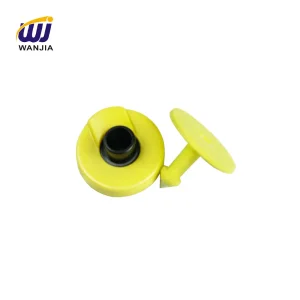
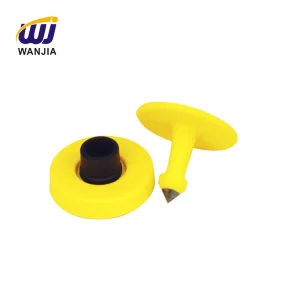
Our tamper-evident, non-reusable visual and RFID ear tags provide permanent, unalterable identification, drastically reducing cattle rustling incidents and helping local pastoralist community councils enforce ownership validation.
Since 1985, Shaoxing WANJIA has engineered veterinary equipment to the highest international standards, ensuring premium performance in demanding ranching environments.

Shaoxing WANJIA has been a leading manufacturer in the veterinary equipment industry since 1985. Over the decades, we have transformed from humble beginnings into a globally renowned company, setting industry standards in research and production.
Our fully automated production facilities, combined with exceptional manufacturing capabilities and stringent quality control, ensure that every product meets the highest international standards. With over 60 patent certifications and exports to more than 60 countries and regions, Shaoxing WANJIA delivers innovative solutions that drive the livestock industry forward.
As a trusted supplier in global trade, Shaoxing WANJIA’s story is one of relentless pursuit of excellence, empowering the livestock industry and shaping the future of veterinary equipment worldwide.
Continuous innovation driving global livestock sustainability and local farming efficiencies.
How our material science and ergonomic designs solve specific climatic challenges of Lesotho.
Lesotho's high altitude leads to intense solar radiation. Our ear tags are manufactured using premium-grade TPU (Thermoplastic Polyurethane) infused with proprietary anti-UV additives. This prevents yellowing, brittleness, and cracking over a decade-long lifecycle.
Winter in the Maloti Mountains regularly drops below freezing, often bringing snow. Traditional plastic tags become brittle and snap under freeze-thaw cycles. WANJIA tags retain their elastic flex down to -40°C, avoiding mechanical failures and loss.
Our patented self-locking tag head mechanisms prevent post-application drop-offs. In trials across dense brushwood pastures, WANJIA tags achieved a >99.7% annual retention rate, saving farmers replacement costs and ensuring reliable animal data continuity.
To serve national herd management programs like the Lesotho Livestock Identification and Traceability System (LITS) successfully, manufacturers must provide consistency in mass production, speed, and competitive pricing. Working directly with Shaoxing WANJIA’s state-of-the-art Chinese manufacturing plant offers significant advantages:
To shape the future of animal health and livestock productivity, Shaoxing WANJIA aspires to lead the global livestock and animal healthcare industry. Through cutting-edge technology and high-quality equipment, we envision a world where sustainable livestock practices drive a healthier and more productive future.
To be a reliable supplier to our clients, supply high quality products that help improve animal health and well-being with sustainable practices.
From initial design to final quality control inspection, we maintain absolute control over every stage of the manufacturing process.
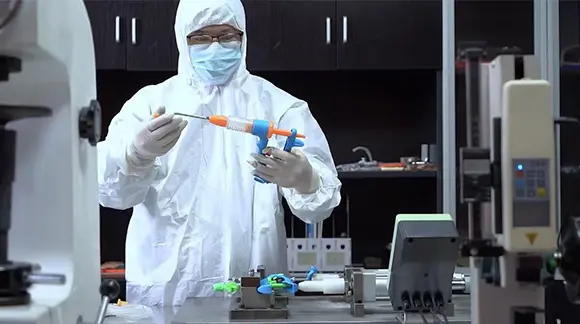
R&D Design

Raw Plastic Processing

Precision Molding

Injection Molding

Automated Packaging
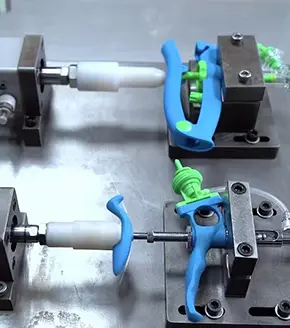
Quality Inspection
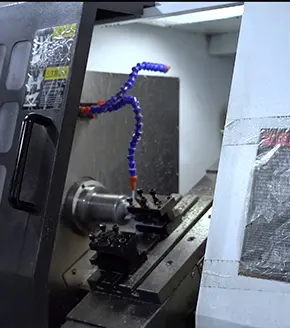
Production Detail A
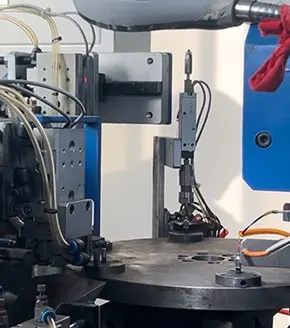
Production Detail B
Positioning Lesotho's livestock export potential on the world stage through certified tracking hardware.
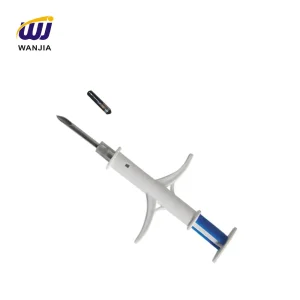
Global commercial livestock trade relies on strict traceability standards. WANJIA RFID and physical ear tags comply with all major international standard protocols. Our RFID product lines are fully compatible with ISO 11784/11785 standards using 134.2 kHz FDX-B or HDX technologies. This ensures complete interoperability with veterinary hand-held scanners and automated weigh scales utilized at border control posts and abattoirs throughout Southern Africa.
As the internet of things (IoT) merges with agriculture, we are developing and deploying advanced telemetry products. Our technology roadmap features ultra-high frequency (UHF) RFID tags, which allow rapid group scanning of sheep and goats without requiring individual livestock handling. This drastically reduces animal stress and saves valuable time for Basotho smallholders.
Our tags adhere to the Southern African Development Community (SADC) livestock traceability guidelines, allowing Lesotho livestock products to easily enter regional distribution channels.
The manufacturing process matches the standards defined by the International Committee for Animal Recording (ICAR), guaranteeing long-term electronic readability and zero data corruption.
Unlock automation and high-accuracy herd tracking with our advanced electronic and insured tagging solutions.
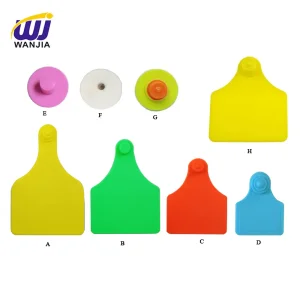
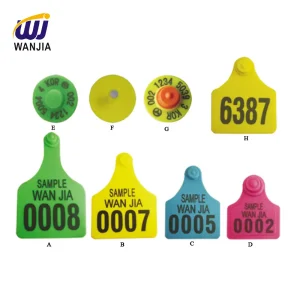
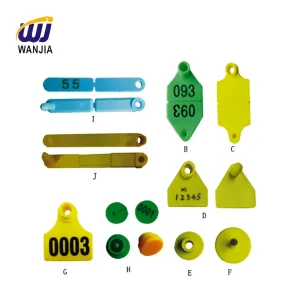
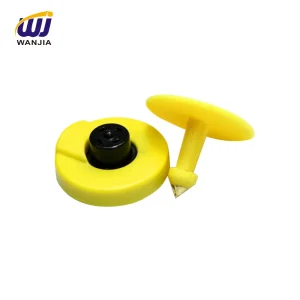

Importing logistics from China to landlocked Lesotho requires structured trade knowledge. Shaoxing WANJIA provides end-to-end import support, handling required export documentation, customs clearances, and delivery routing via the port of Durban. We assist buyers in obtaining clearance from the Lesotho Ministry of Agriculture and Food Security (MAFS) and ensuring compliance with regional sanitary regulations.
Additionally, we provide detailed technical training documentation and applicator alignment guidelines to assist district veterinary extension officers and smallholders in applying the tags correctly, reducing livestock ear tissue damage and maximizing healing speeds.
Expert insights on importing, deploying, and utilizing animal identification ear tags in the Kingdom of Lesotho.
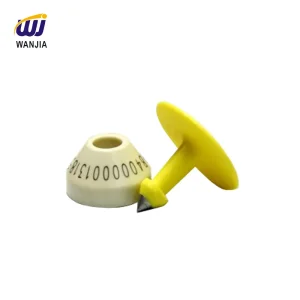
Lesotho's mountain pasture conditions feature dense thorn bushes and intense sunlight. Hand-written marker ink fades within a year. WANJIA's fiber laser marking melts the numbers directly into the polyurethane matrix, making numbers permanently readable for over 10 years, which is essential for tracking long-lived cattle and sheep herds.
Yes, our RFID ear tags are manufactured to strictly follow ISO 11784/11785 standards, operating at the 134.2 kHz frequency with both FDX-B and HDX options. They are tested and fully compatible with livestock scanners, scales, and software used across Lesotho and South Africa.
Our tags feature ergonomic tips made from surgical-grade alloys. These tips pierce clean holes through the ear without crushing cartilage, which promotes rapid healing. Additionally, we mold the tags with medical-grade biocompatible polyurethane, preventing bacterial growth at the application wound site.
For wholesale custom visual and electronic ear tags, our standard MOQ starts at 5,000 units. Thanks to our fully automated facility, we complete production within 7-15 days, with shipping to Lesotho taking approximately 25-35 days via sea through Durban Port, or 5-7 days via air freight to Maseru.
Yes. We offer chip pre-programming services. You can send us your database, and we will burn the designated national code sequence onto the chips. This ensures the digital records match the visual laser printing on the tag.
 WANJIA