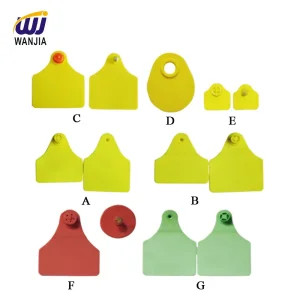
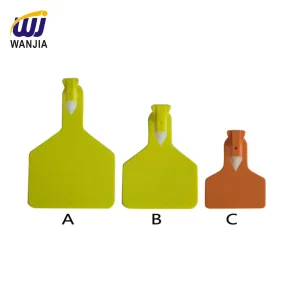
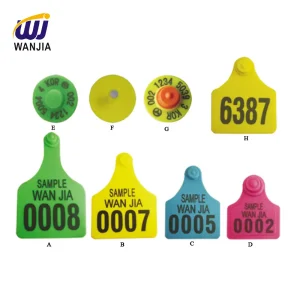
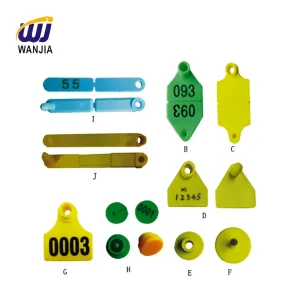
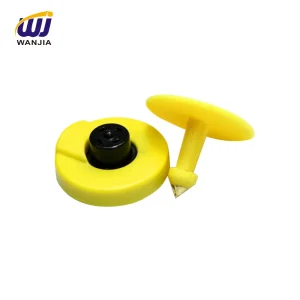
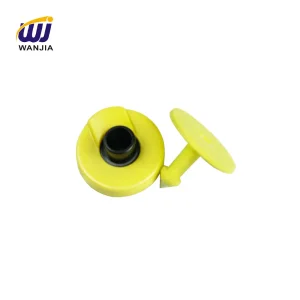
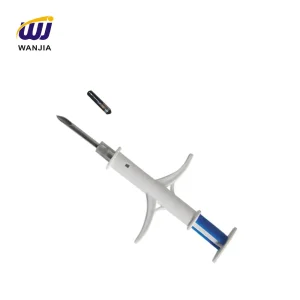
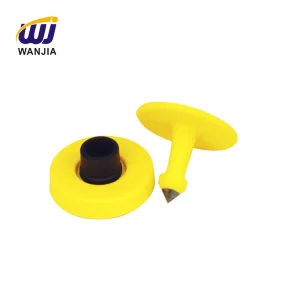
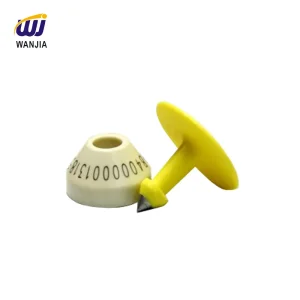
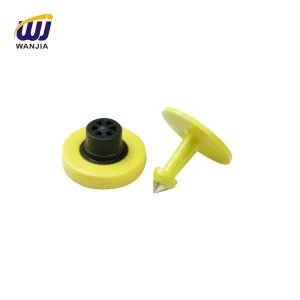
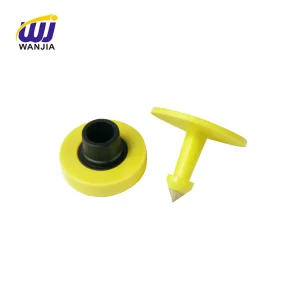
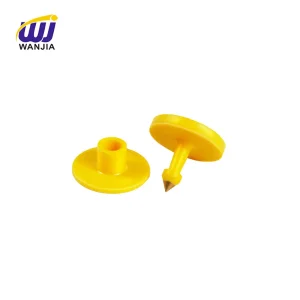
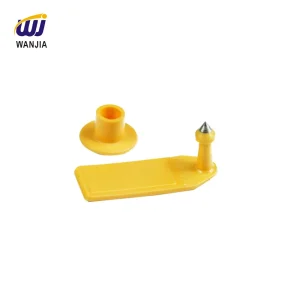
Industrial-grade visual and electronic marking tags optimized for extreme environments and livestock tracking systems within the DR Congo
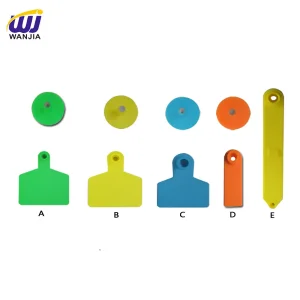
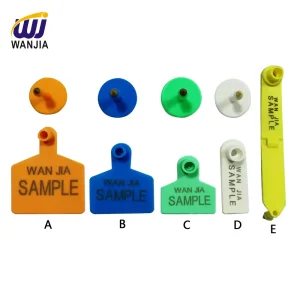
The Democratic Republic of the Congo (DR Congo) possesses exceptional potential for agricultural development, featuring over 80 million hectares of arable land and highly favorable pastoral conditions. However, managing the country's diverse herd assets across vast provinces—from the highlands of Kivu and Ituri to the grasslands of Kongo Central and Katanga—presents substantial logistics, ecological, and epidemiologic challenges.
In these dynamic, high-humidity, and expansive rural landscapes, livestock theft (cattle rustling), cross-border animal movement management, and the control of endemic viral strains such as foot-and-mouth disease (FMD) and bovine pleuropneumonia require robust national tracking architectures. Deploying professional-grade visual and radio-frequency identification (RFID) systems has moved from a progressive option to a regulatory necessity for securing institutional agriculture investments and supporting public health frameworks.
"According to agronomic studies in the Sub-Saharan region, implementing systematic electronic tagging reduces livestock theft incidents by up to 72% and cuts epidemic response containment windows from weeks to under 48 hours."
As a global veterinary instrument manufacturer with roots dating back to 1985, Shaoxing WANJIA delivers premium-grade, chemically engineered TPU ear tags tailored to withstand the intensive UV radiation, dense friction of Congolese brushlands, and high-humidity corridors. We specialize in providing the hardware foundation necessary to implement the Programme National d'Investissement Agricole (PNIA) standards, ensuring national farm operators can trace cattle, goats, sheep, and swine back to their origins.
Building resilient agricultural supply chains through strict quality controls, technological patents, and automated production
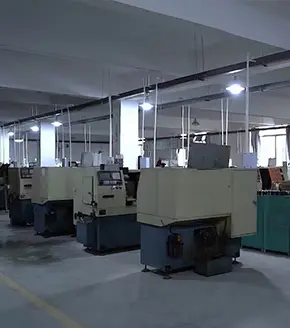
Shaoxing WANJIA has been a leading manufacturer in the veterinary equipment industry since 1985. Over the decades, we have transformed from humble beginnings into a globally renowned company, setting industry standards in research and production. Our fully automated production facilities, combined with exceptional manufacturing capabilities and stringent quality control, ensure that every product meets the highest international standards. With over 60 patent certifications and exports to more than 60 countries and regions, Shaoxing WANJIA delivers innovative solutions that drive the livestock industry forward.
As a trusted supplier in global trade, Shaoxing WANJIA’s story is one of relentless pursuit of excellence, empowering the livestock industry and shaping the future of veterinary equipment worldwide.
To shape the future of animal health and livestock productivity, Shaoxing WANJIA aspires to lead the global livestock and animal healthcare industry. Through cutting-edge technology and high-quality equipment, we envision a world where sustainable livestock practices drive a healthier and more productive future.
To be a reliable supplier to our clients, supply high quality products that help improve animal health and well-being with sustainable practices.
Engineered for excellence, designed for reliability, and optimized for local agrarian conditions

Our precision-engineered equipment, crafted with the latest technology and strict quality controls, guarantees exceptional performance and reliability.

We deliver products 30% faster than the industry average, ensuring timely solutions for your business needs.

Our professional and responsive team ensures a seamless experience, from product selection to after-sales service.

Backed by a strong R&D team, we continuously launch new, high-quality products that adapt to the evolving needs of the livestock industry.
National tracking architectures require more than a physical piece of plastic; they demand a comprehensive integration of materials science, radio frequency designs, and local logistical context. Below, we examine the deployment paradigms for animal identification systems within the DR Congo's unique geographical zones.
Agricultural operations in Congo Central and the Kivu high-altitude zones subject animal tags to extreme environmental variables. Ordinary plastic tags degrade, crack, and fail due to high UV exposure and chemical cleanings. WANJIA utilizes premium-grade Thermoplastic Polyurethane (TPU). This material provides exceptional flexibility, elastic recovery, and cold-temperature endurance. These mechanical properties prevent the tag from snagging on dense undergrowth or tearing the animal's ear, securing long-term retention.
To support digitizing the veterinary sector, our RFID tags are designed around the ISO 11784 and ISO 11785 standards, operating on low frequency (LF - 134.2 kHz) with FDX-B or HDX transmission protocols. These systems ensure error-free reads even when the tag is wet, soiled, or in close contact with biological tissue. Additionally, for large-scale operations requiring fast screening of large herds, our Ultra-High Frequency (UHF) tags enable multi-tag reading from a distance, optimizing logistics in transport hubs and regional checkpoints.
Visual readability remains the primary validation method for field agents and slaughterhouse inspectors. WANJIA's laser marking machines run customized carbonization processes that embed the numbers deep into the TPU matrix rather than printing on the surface. This guarantees high-contrast numbering and barcode visibility over the animal's lifetime, resisting acidic mud, chemical dips, and physical abrasion.
All our ear tags align with the International Committee for Animal Recording (ICAR) guidelines. For livestock producers in DR Congo targeting regional markets in the Southern African Development Community (SADC) or Common Market for Eastern and Southern Africa (COMESA), using WANJIA tags provides verifiable proof of sanitary standard compliance, streamlining customs processes.
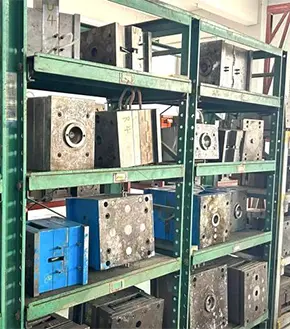
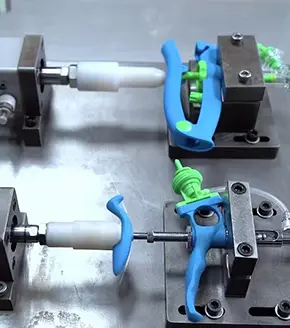
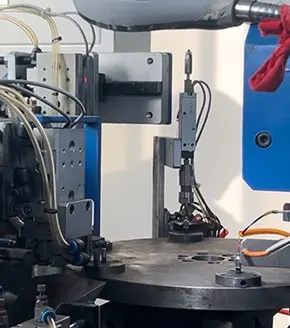
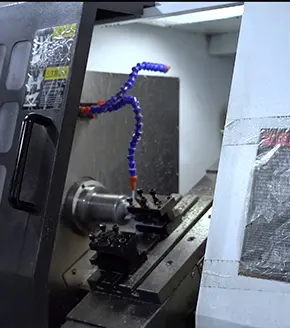
How Shaoxing WANJIA guarantees ISO-level precision across all product lines from raw TPU to sealed packaging
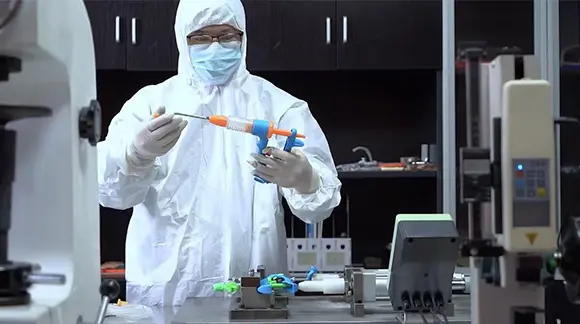



Answering key operations, regulatory compliance, and installation questions for veterinary technicians and farm managers
Thermoplastic Polyurethane (TPU) provides resistance to environmental factors that break down lower-quality plastics. In tropical areas such as Central Congo and the Equateur province, tags face intensive UV radiation, high humidity, and physical friction from thick brush. Our TPU tags maintain their elasticity, prevent bacterial growth on the puncture site, and resist mechanical damage, resulting in high retention rates.
Yes. All our electronic ear tags are engineered and manufactured in strict compliance with ISO Standards 11784 and 11785. They operate at the international standard frequency of 134.2 kHz and support both FDX-B and HDX data transmission protocols. They are compatible with all standard handheld or panel readers that comply with these ISO guidelines.
Ink-jet printing lies on the surface of the plastic and quickly fades when exposed to mud, UV light, friction, and chemical washes. WANJIA's laser engraving system molecularly alters the TPU matrix, leaving a dark, permanent contrast mark that remains readable for the animal's lifetime. This is essential for meeting national traceability audits and prevent tamper attempts.
Unique, tamper-evident numbers make it easy to verify ownership at local markets, slaughterhouses, and border checkpoints, reducing cattle theft. For disease control, quick scanning lets veterinary authorities trace infected cattle back to their original herds, containing outbreaks like foot-and-mouth disease (FMD) before they spread.
Browse our complete catalog of certified visual, laser-printed, and electronic transponder ear tags
Get in touch with our veterinary equipment division for specialized configurations, volume discounts, and shipping estimates for the DR Congo region. Receive a detailed quotation within 24 hours.
Send Inquiry Now WANJIA