High-durability ear tags optimized for tropical climates and long-term retention. Engineered for Equatorial Guinea's livestock management initiatives.
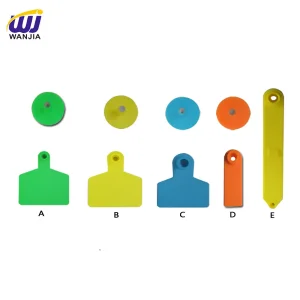
Engineered from high-flexibility TPU, perfect for custom local hot stamping or marker branding in Equatorial Guinea's humid farm environments.
Inquire Product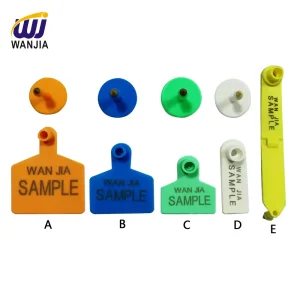
Industrial-grade laser etching offering highly contrast-stable numbering and barcodes to prevent abrasion and guarantee long-term readability.
Inquire Product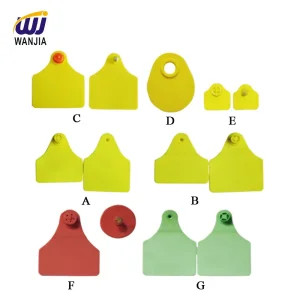
High-quality, cost-efficient bulk ear tags designed for regional distributors and national animal disease tracking projects.
Inquire Product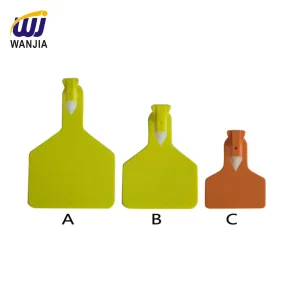
Ideal lightweight and anti-snagging configuration for small livestock such as sheep and goats in Central African mountainous terrains.
Inquire ProductEquatorial Guinea, situated in Central Africa, comprises the mainland region of Rio Muni and the insular region including Bioko Island. Historically reliant on hydrocarbon reserves, the national strategic vision under the Plan Nacional de Desarrollo Económico y Social (PNDES) is aggressively prioritizing agricultural diversification. Livestock rearing—encompassing cattle husbandry in the Litoral and Djibloho provinces, and intensive poultry and swine farming near Malabo and Bata—stands as a critical pillar for food self-sufficiency and economic resilience.
However, local livestock production faces substantial biological challenges. Tropical diseases, transboundary animal pathogens (TADs) such as African Swine Fever (ASF), Foot-and-Mouth Disease (FMD), and Peste des Petits Ruminants (PPR) present constant biosecurity threats. Mitigating these risks demands the rapid execution of a nationwide animal identification system. Reliable animal identification tags act as the base layer for traceability, empowering the Ministry of Agriculture, Livestock, and Rural Development to construct an automated inventory database. This database enables accurate epidemiological tracking, movement control, and verified consumer-level safety guarantees.
By implementing internationally standardized tracking methods—namely ISO 11784/11785 and ICAR-compliant RFID technologies—livestock enterprises in Equatorial Guinea can streamline cross-border trade within the Central African Economic and Monetary Community (CEMAC). Unified traceability simplifies veterinary audits, verifies sanitary certifications, and opens premium export pathways to neighboring markets.
From a procurement perspective, the climate of Equatorial Guinea—defined by high temperatures, extreme relative humidity (often exceeding 90%), and high UV index levels—calls for robust equipment. Standard agricultural plastics decompose rapidly under these conditions. The livestock sector requires advanced thermoplastic polyurethane (TPU) ear tags built with specialized UV-inhibitors and anti-microbial additives. These properties prevent mechanical failure, discoloration, and tag-induced ear infections, ensuring high long-term retention rates on the farm.
For public procurement bodies, non-governmental veterinary agencies, and large-scale industrial agribusinesses operating in Malabo, Bata, or Oyala, importing veterinary supplies is a complex logistics process. Direct manufacturer partnerships are essential to lower Total Cost of Ownership (TCO), secure custom laser marking sequences, and guarantee consistent structural quality.
Purchasing directly from an established factory like Shaoxing WANJIA eliminates secondary intermediary markups, giving B2B clients access to factory-direct wholesale pricing. When procuring high-volume allocations (e.g., hundreds of thousands of visual or RFID tags for nationwide immunization campaigns), minor variances in unit price directly impact project feasibility. Furthermore, direct manufacturing partnerships ensure access to precise technical customizations, including specific laser-etched numbering sequences, regional branding codes, and localized RFID chips calibrated to regional UHF/LF frequencies.
Navigating global supply chain pathways to West-Central Africa requires experienced logistics planning. Shaoxing WANJIA's direct factory export capability ensures secure export packing, streamlined customs documents, and shipping options via key maritime networks connecting Shanghai/Ningbo to the Port of Bata and the Port of Malabo. By integrating logistics support, we decrease delivery timelines by 30% compared to typical trading brokers. This keeps critical national veterinary programs running on schedule.
Animal identification technology is rapidly shifting from classic physical tags toward high-performance RFID and smart telemetry platforms. For agricultural planners in Equatorial Guinea, recognizing this technological shift is vital when making long-term infrastructure decisions.
Traditional TPU tags using high-contrast laser printing. Easy to identify visually and cost-effective, but requires manual data recording, which is prone to human error.
Operating at 134.2 KHz (FDX-B/HDX protocols). Immune to interference from animal body tissue and water, making it the global standard for cattle, swine, and sheep management.
Operating at 860-960 MHz, UHF allows long-range bulk scanning (up to several meters). Excellent for tracking moving herds through sorting gates and managing inventory in large spaces.
Emerging active tags with integrated temperature and accelerometer sensors. Delivers real-time health diagnostics, heat detection, and location tracking for premium farms.
By adopting LF RFID systems (such as the FDX-B compliant models WJ-E001 through WJ-E008), regional operations can transition to automated animal scales, automated milking stations, and digital veterinary treatment logs. The integration of RFID tags with mobile field readers allows field officers to instantly load an animal's medical and vaccination history onto a hand-held device. This eliminates paperwork and improves data accuracy in challenging environments.
Decades of manufacturing expertise, modern automated lines, and a global export footprint.
"Since 1985, WANJIA has been a leader in the global veterinary instrument industry. With advanced production facilities and stringent quality control, we ensure that every product meets the highest international standards. WANJIA consistently meets customer demands for high-performance products through innovation and excellence, driving the development of the livestock industry and shaping the future of veterinary equipment worldwide."
Shaoxing WANJIA has transformed from humble beginnings into a globally renowned brand, setting industry standards in veterinary R&D. Our automated production facilities, combined with high-precision manufacturing capabilities and stringent quality control protocols, ensure that every shipment matches rigorous biological safety requirements.
To shape the future of animal health and livestock productivity, Shaoxing WANJIA aspires to lead the global livestock and animal healthcare industry. Through cutting-edge technology and high-quality equipment, we envision a world where sustainable livestock practices drive a healthier and more productive future.
To be a reliable partner to our clients, supplying high-quality products that help improve animal health and well-being through sustainable, bio-secure farming practices worldwide.
Underpinned by strict quality control, our 8-stage manufacturing cycle delivers veterinary-grade precision for agricultural operations worldwide.
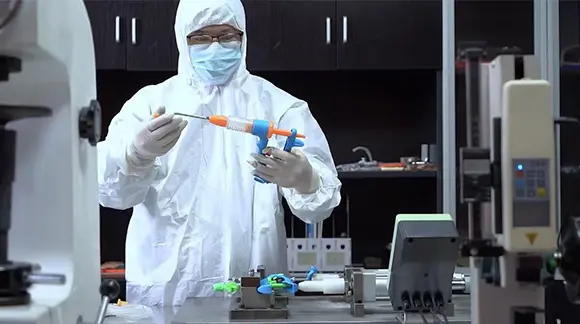

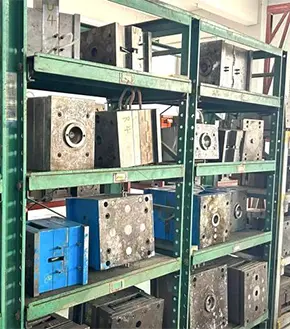
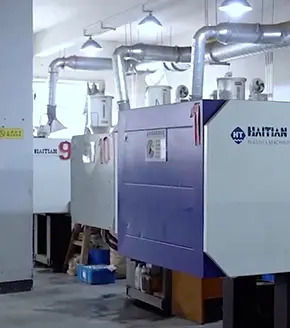
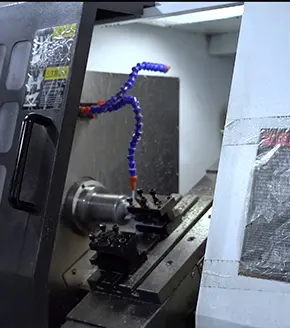
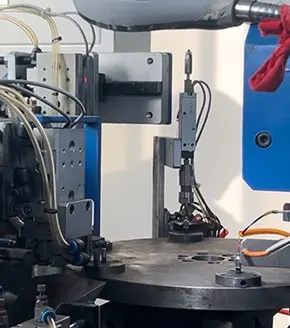
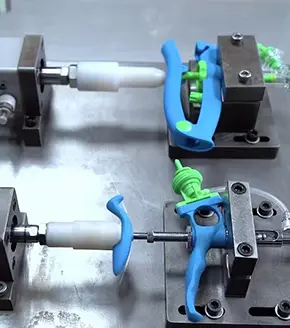

Technical strengths and professional support that set us apart as a global veterinary partner.

Our precision-engineered equipment, crafted with the latest technology and strict quality controls, guarantees exceptional performance and reliability.

We deliver products 30% faster than the industry average, ensuring timely solutions for your business needs.

Our professional and responsive team ensures a seamless experience, from product selection to after-sales service.

Backed by a strong R&D team, we continuously launch new, high-quality products that adapt to the evolving needs of the livestock industry.
Large-scale commercial cattle ranches in Litoral, high-density swine houses near Malabo, and smallholder sheep/goat farms in Djibloho and Centro Sur have distinct technical requirements. We design customized tagging solutions to address these varied environments.
Swine farms require highly durable, secure locking systems. Piglets and mature pigs chew and brush against metal feeders, creating a high risk of ear tear-outs. Our specialized piglet ear tags (such as the WJ-E006 and WJ-E007) feature tamper-proof designs and lightweight, ergonomic configurations that minimize retention issues.
For range cattle, read range is key. Heavy brush can snag tags, requiring tags with exceptional structural strength. Our flagship cattle tags, engineered with custom visual marking and large RFID transponders, deliver scanning distances of up to 100cm with standard portable readers.
By applying these specialized solutions, agricultural managers can transition from reactive disease management to proactive tracking. When an outbreak is reported, inspectors can instantly identify the farm of origin using the tag sequence. This allows them to establish quarantines quickly and protect the wider agricultural economy.
A complete selection of LF and UHF electronic ear tags, implantable microchips, and durable visual tags designed for professional livestock operations.
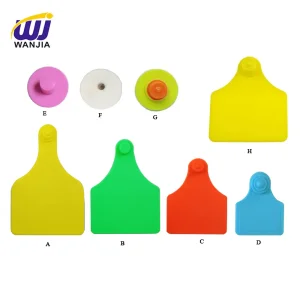
Built with high-security locks, this model is designed for livestock insurance tracking and official animal health records.
Inquire Product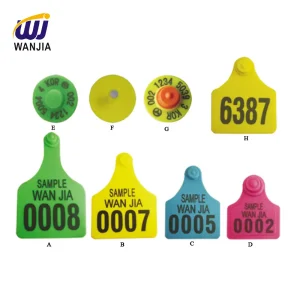
Combines high-retention locking pins with clear laser marking to verify ownership across processing facilities.
Inquire Product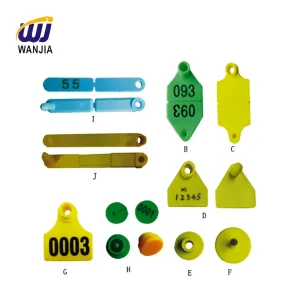
A classic design made from ultra-flexible TPU, giving small and large cattle ranches a reliable visual ID option.
Inquire Product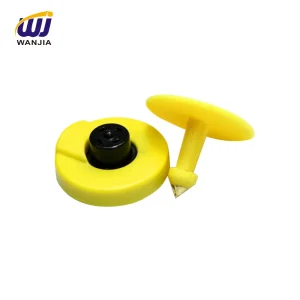
Features a closed head design to protect the locking pin from moisture, dust, and dynamic wear.
Inquire Product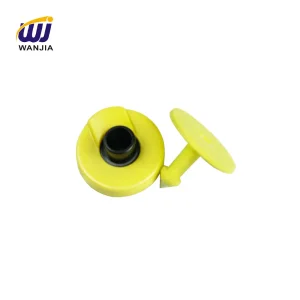
A classic through-hole electronic tag that ensures fast application and consistent RF response.
Inquire Product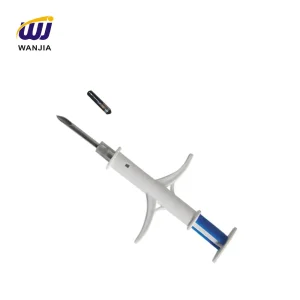
Biocompatible glass-encapsulated microchips designed for subcutaneous injection in companion animals, exotic livestock, and conservation projects.
Inquire Product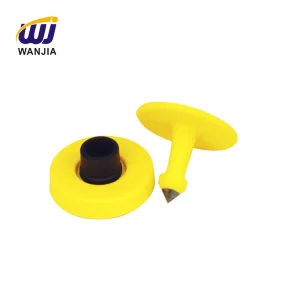
Built for automated tracking systems, optimizing management on large-scale swine breeding farms.
Inquire Product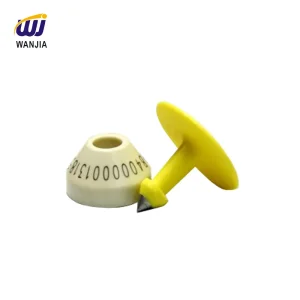
Tapered structural design helps prevent snags in pasture environments, reducing tissue irritation.
Inquire Product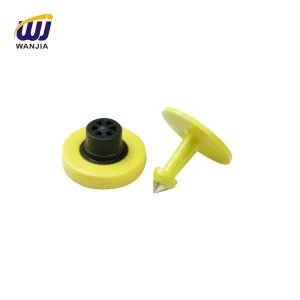
Optimized dimensions for young animals, ensuring secure locking without heavy ear strain.
Inquire Product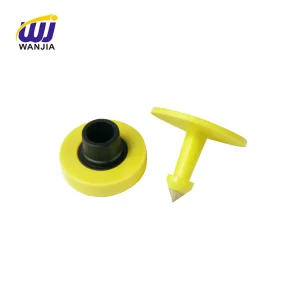
A lightweight through-hole option designed to track piglets from farrowing to finishing stages.
Inquire Product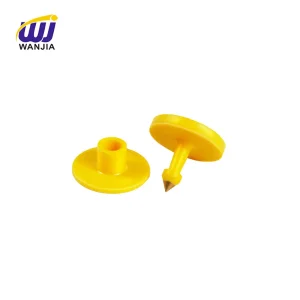
A widely compatible LF electronic tag, matching global ISO standards for digital national herd records.
Inquire Product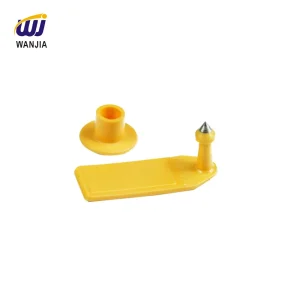
High-frequency design for sheep and goats, enabling fast reading of entire herds at farm gates.
Inquire ProductEquatorial Guinea imports all tracking equipment, making quality standards like ISO 11784/11785 and ICAR certification essential for verification. These standards ensure that imported tags function reliably within regional veterinary registries.
Our manufacturing line aligns with these international benchmarks, ensuring seamless integration with existing software systems. By using standardized FDX-B frequencies, we guarantee compatibility with reading equipment from global suppliers, protecting your investment in reader hardware and software.
We also provide comprehensive physical verification, verifying that tags remain flexible and legible even after years of exposure to tropical sun and humidity. This high retention rate keeps animal records unbroken, which is crucial for proving long-term disease-free status and securing export certifications.
Essential insights for veterinary agencies and commercial buyers procuring animal identification tags for West-Central African markets.
Contact our technical engineering team for bulk wholesale pricing, custom laser sequence samples, and regional shipping options for Equatorial Guinea and the CEMAC zone.
Send Inquiry Now WANJIA