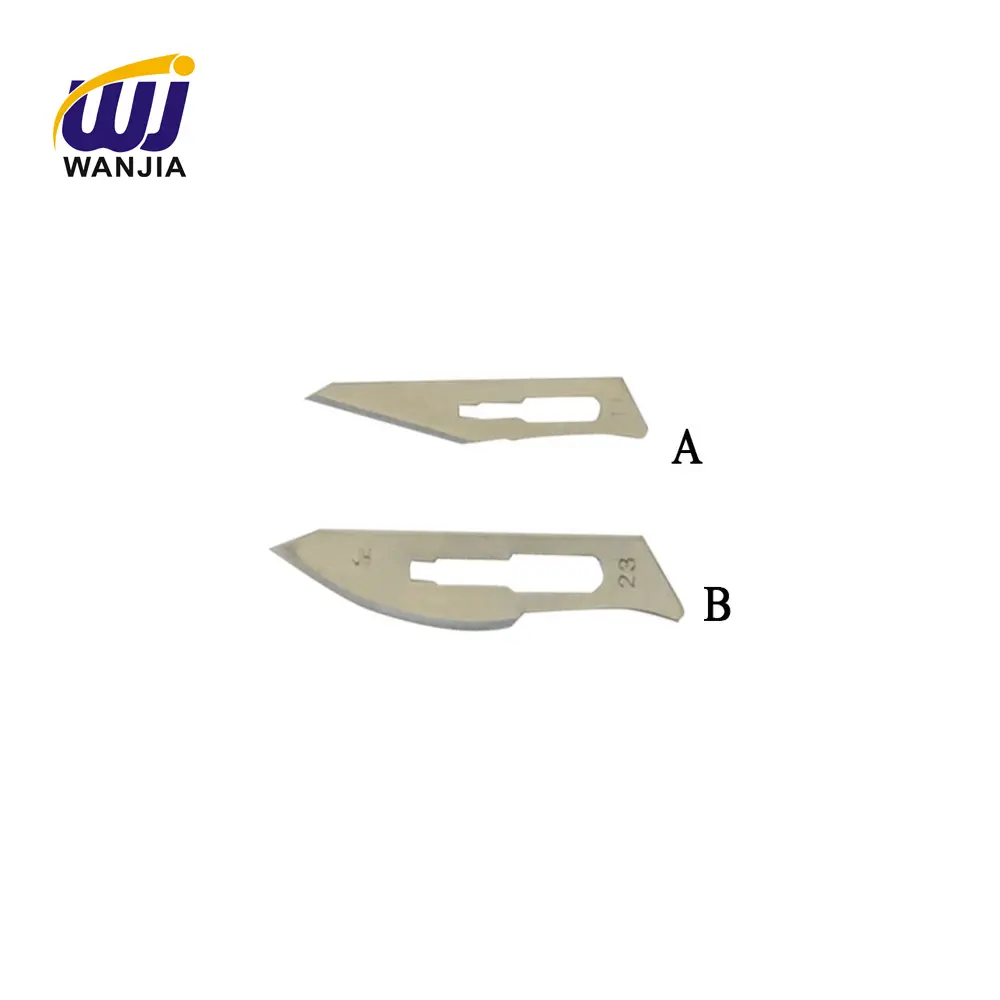
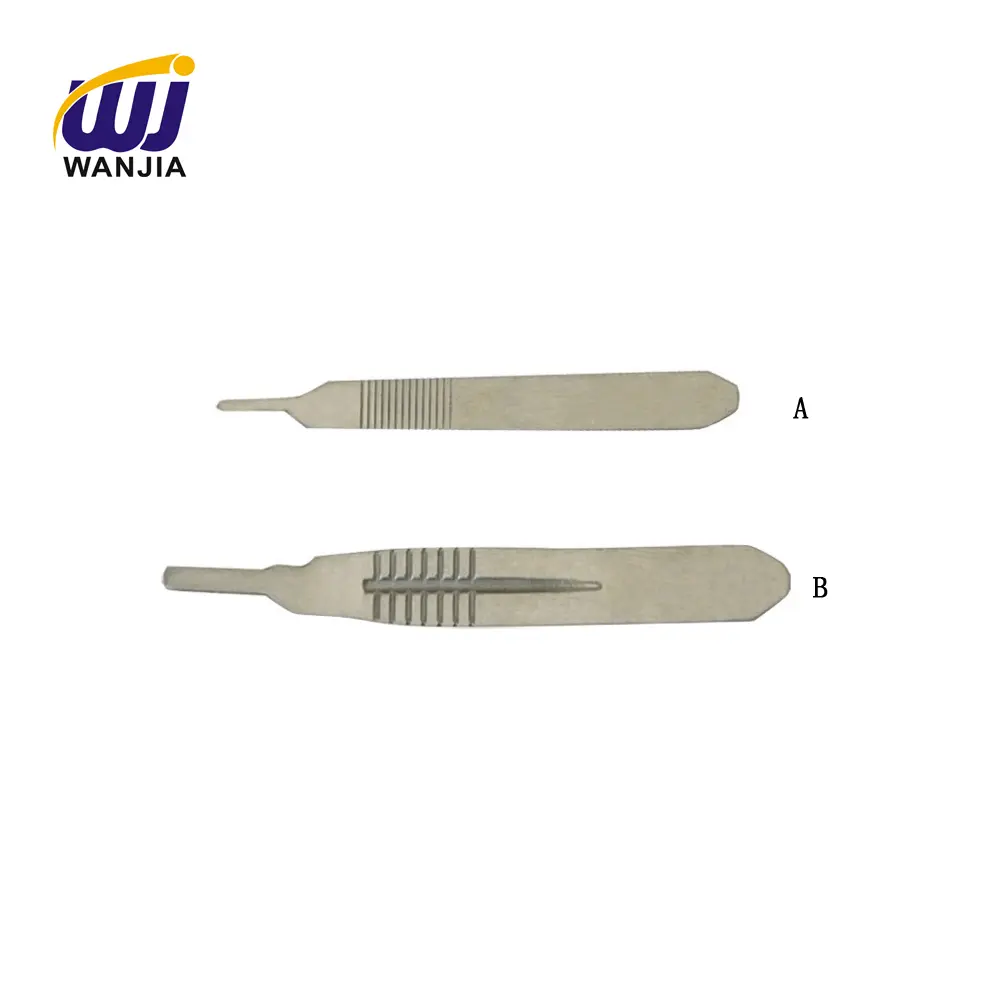
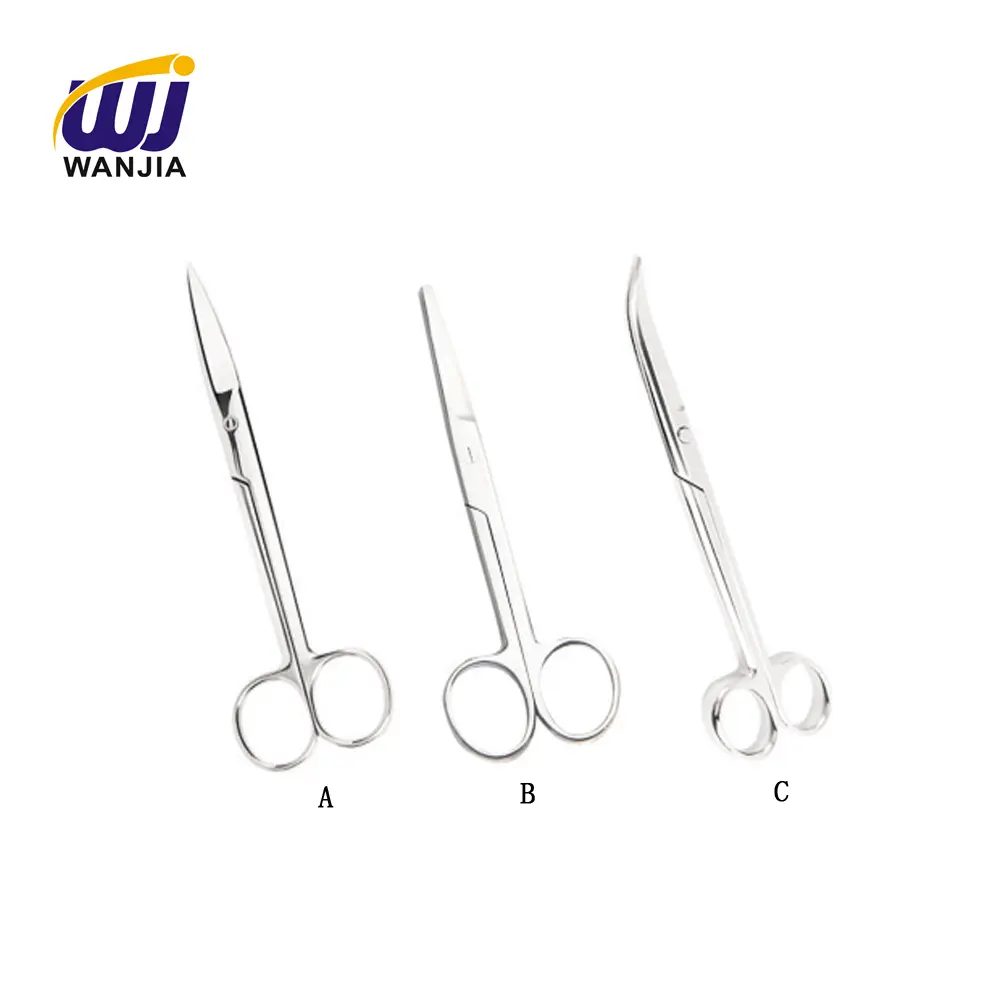
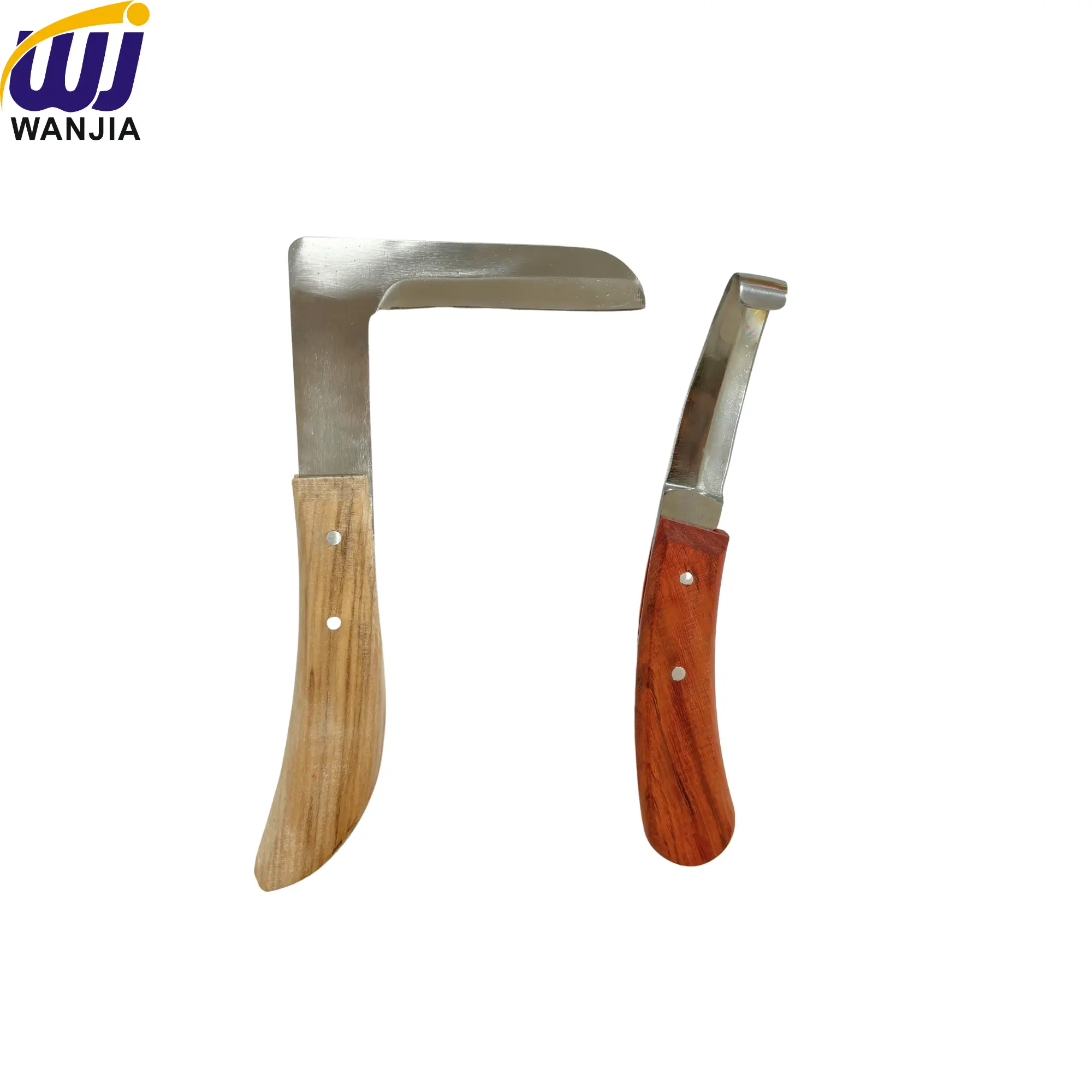
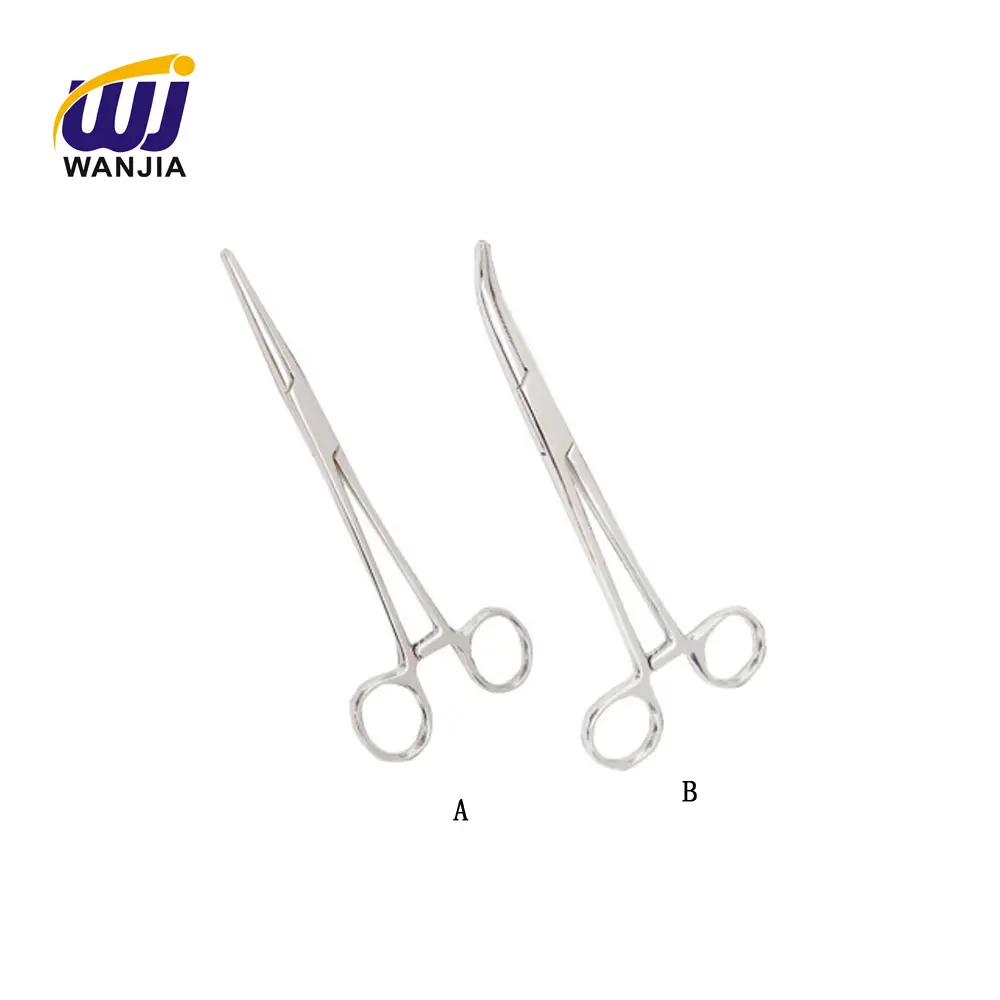
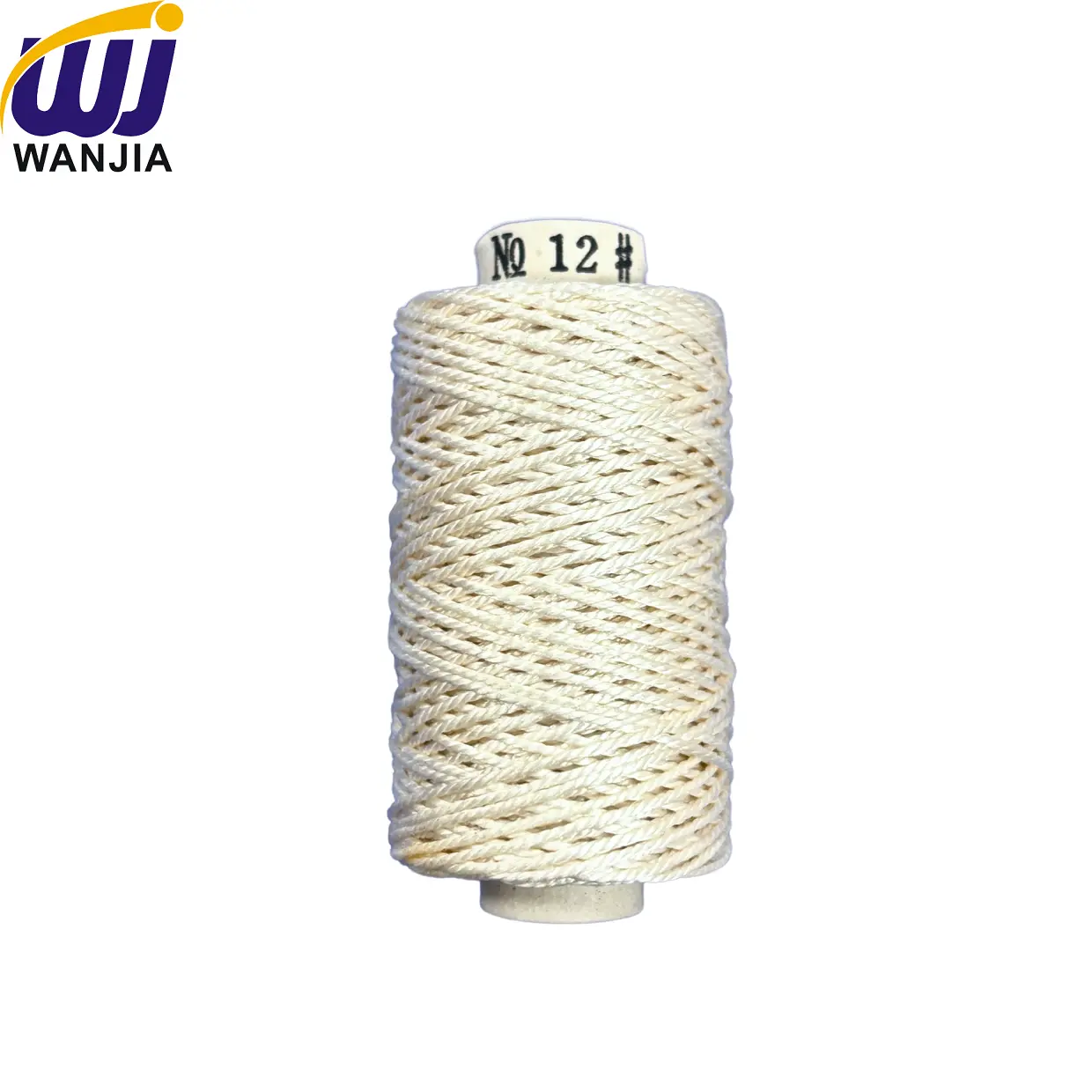
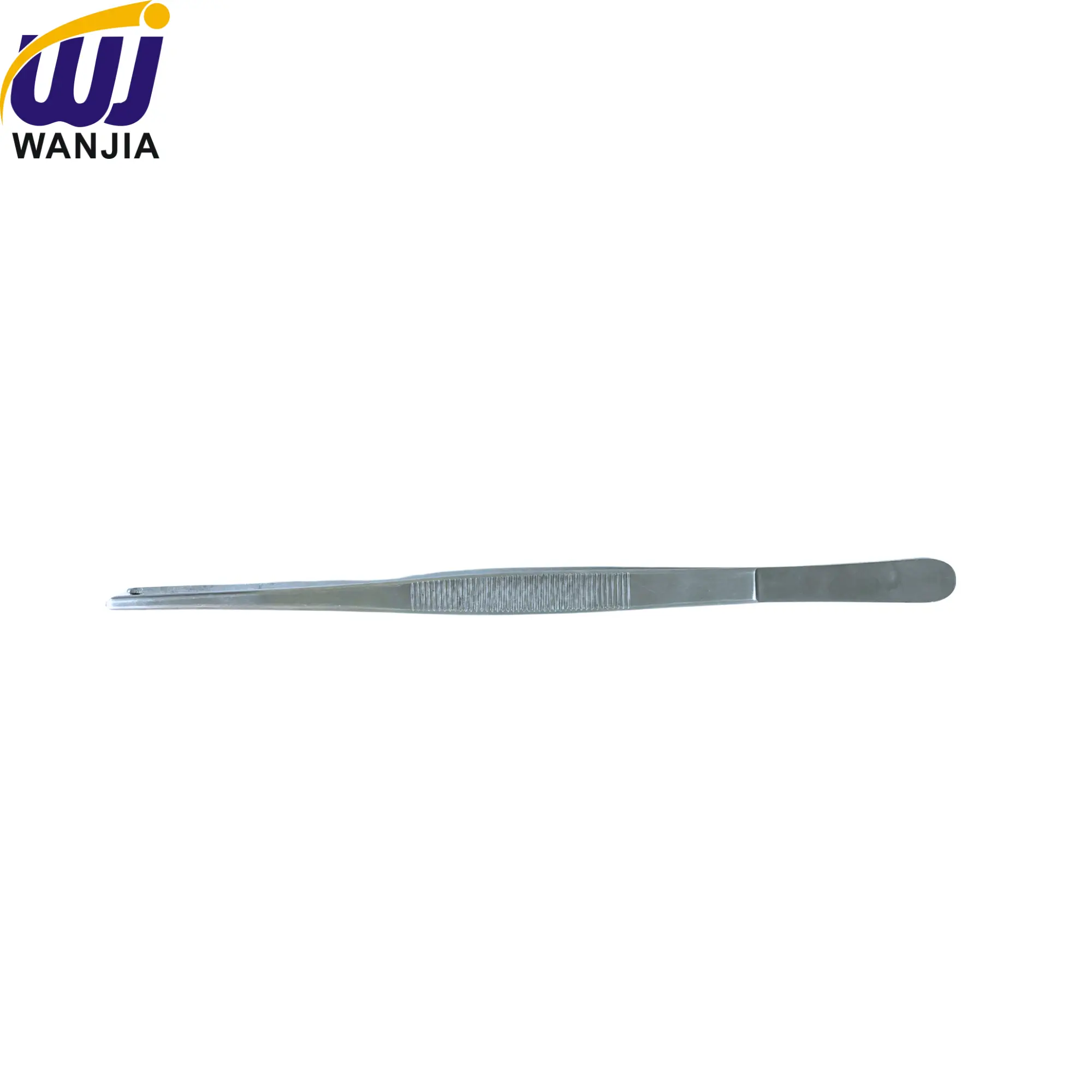
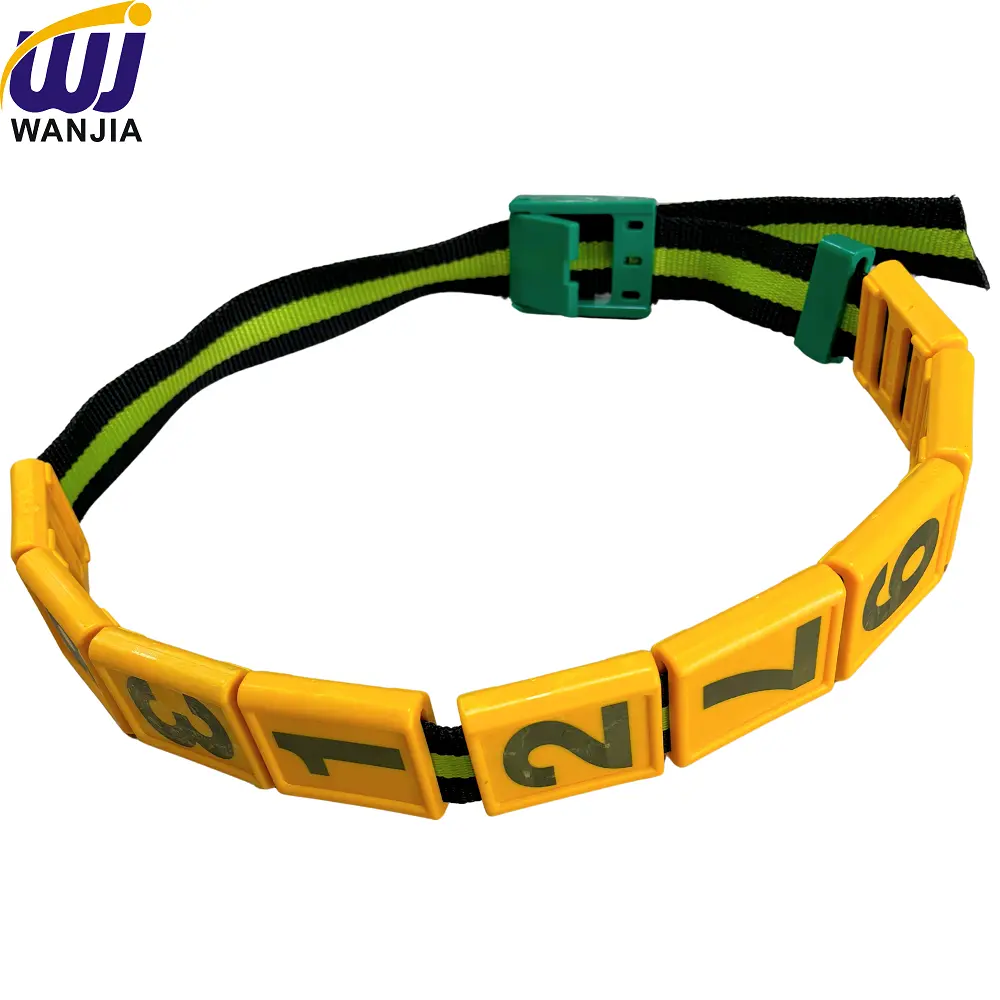
High-precision, field-tested surgical tools designed to withstand the rigorous demands of Mali's clinical and pastoral operations.
In the Republic of Mali, livestock farming represents more than an agricultural sub-sector; it constitutes a primary socio-economic pillar and a critical contributor to national food security and regional GDP. Mali possesses one of the largest livestock populations within the West African Economic and Monetary Union (UEMOA), with millions of cattle, sheep, and goats migrating across diverse agro-ecological zones from the pastoral Sahelian north to the Sudanese-Guinean south. This immense biological asset forms the basis of rural livelihoods, driving an urgent institutional need for resilient veterinary infrastructure and top-tier veterinary surgical equipment.
Despite the vital importance of this sector, livestock health optimization throughout Mali faces continuous challenges. These include a high prevalence of infectious diseases, parasitic infestations, reproductive tract disorders, and unpredictable mechanical injuries associated with extensive pastoral migration (transhumance). Resolving these complex health complications requires advanced clinical interventions, routine field prophylactic surgeries, and structured animal husbandry management programs. Consequently, there is an escalating demand among municipal veterinary departments, international non-governmental organizations (NGOs), and commercial livestock enterprises for dependable surgical tools capable of maintaining peak structural and mechanical integrity in challenging localized environments.
The operational conditions faced by field practitioners and veterinary doctors in Mali require surgical tools built to specifications far exceeding standard clinical parameters. From the arid reaches of Timbuktu and Gao to the commercial agricultural hubs of Mopti, Segou, and Sikasso, equipment is routinely exposed to severe environmental stressors, including airborne sand particles, extreme ambient heat, and variable water quality available for field sterilization protocols.
Key operational scenarios where precision tooling proves vital include:
Understanding the standard of global medical manufacturing and how advanced metallurgy shapes contemporary animal surgical outcomes.
On a global scale, the veterinary surgical instrument manufacturing industry is shifting away from low-grade, generic carbon-steel tools toward advanced austenitic and martensitic stainless-steel alloys. These advanced formulations feature high chromium and nickel ratios to maximize corrosion resistance, structural longevity, and cutting edge retention. As global compliance mandates tighten under bodies like the ISO and CE, international buyers demand instruments that can endure repeated autoclaving cycles and contact with aggressive chemical disinfectants without showing signs of degradation, pitting, or micro-fracturing.
Furthermore, contemporary veterinary science prioritizes ergonomic handles and low-fatigue tool geometries. Because veterinary surgeons often perform lengthy group procedures on large livestock cohorts, tool balance, pivot joint fluidity, and grip textures are critical parameters that directly impact clinical precision and operator efficiency.
Shaoxing WANJIA's metallurgical research division is actively exploring antimicrobial metal coatings and carbon-fiber composite integration. This work aims to reduce instrument weight by up to 35% while increasing surface hardness, setting a new benchmark for field durability in tropical and sub-Saharan zones.
Discover how our vertically integrated manufacturing facility provides unparalleled lead times, continuous quality assurance, and robust global trade security.
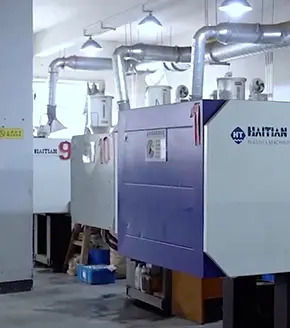
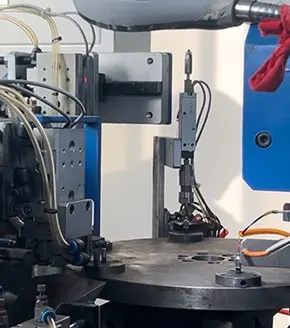
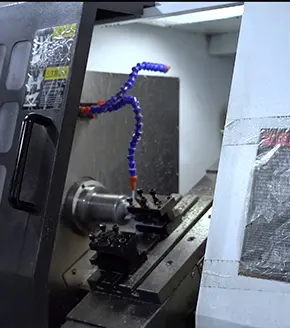
Operating a 20,000 square meter highly automated plant minimizes human error, yielding ultra-consistent dimensions across large manufacturing batches.
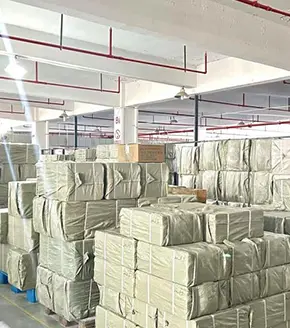
Our optimized supply chain structures allow order fulfillment and shipping timelines up to 30% faster than current regional and international competitors.
Supported by more than 15 expert engineers and over 75 global patent filings, we drive continuous innovation tailored to the evolving agricultural market.
Our facility offers a rapid 12-hour response loop for unique OEM/ODM requirements, adjusting metal specifications or product stamps to fit client needs.
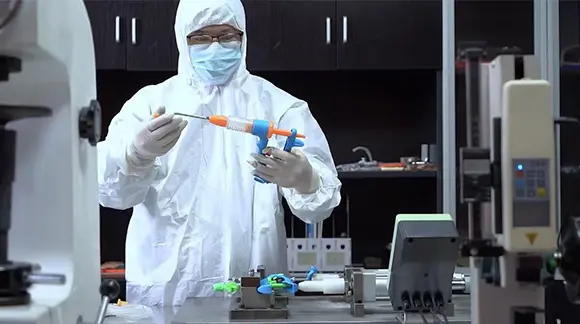
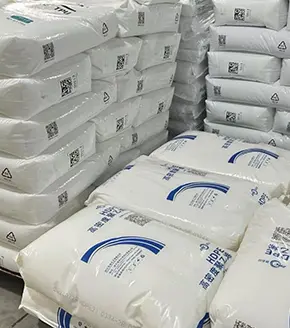
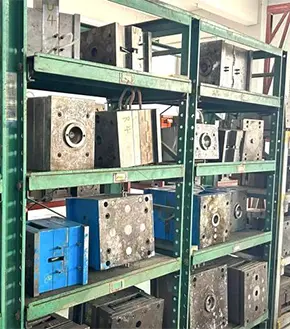
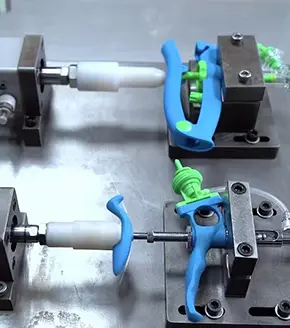
From initial design to final packaging, our comprehensive manufacturing process ensures maximum product uniformity and flawless mechanical performance:
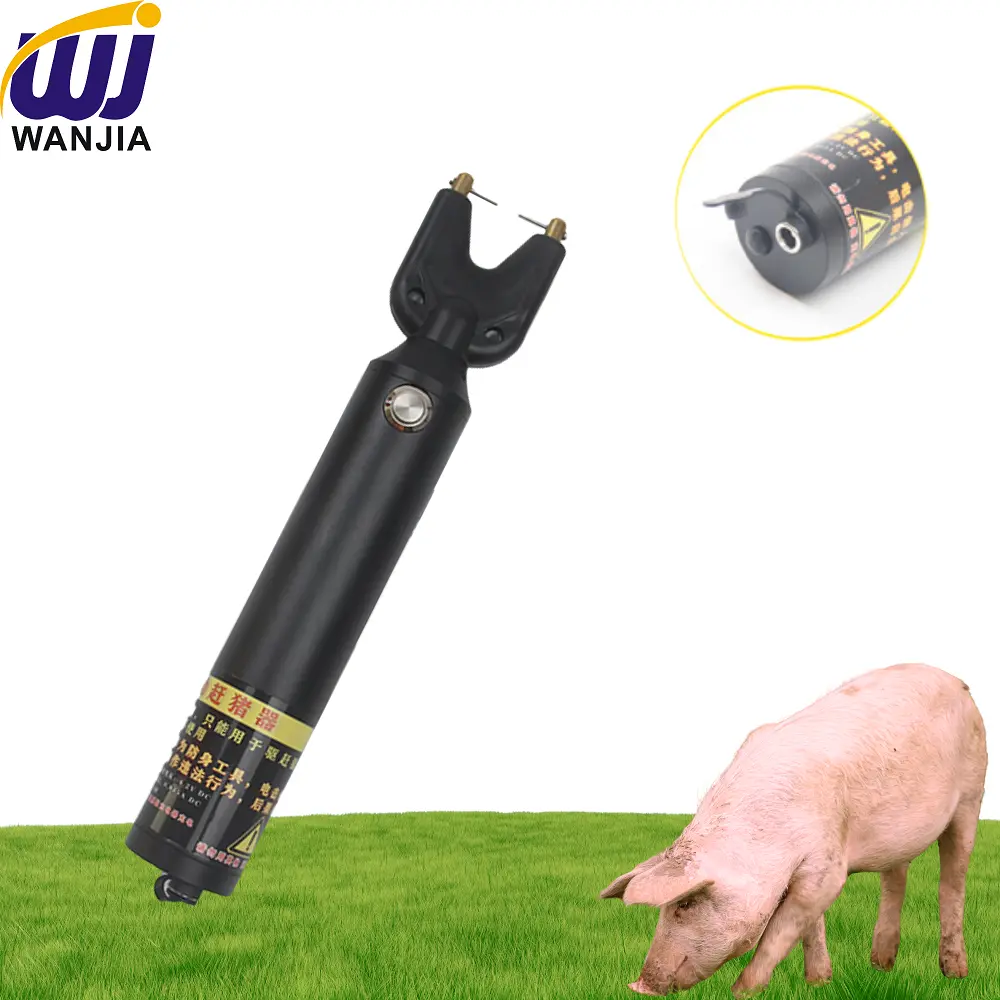
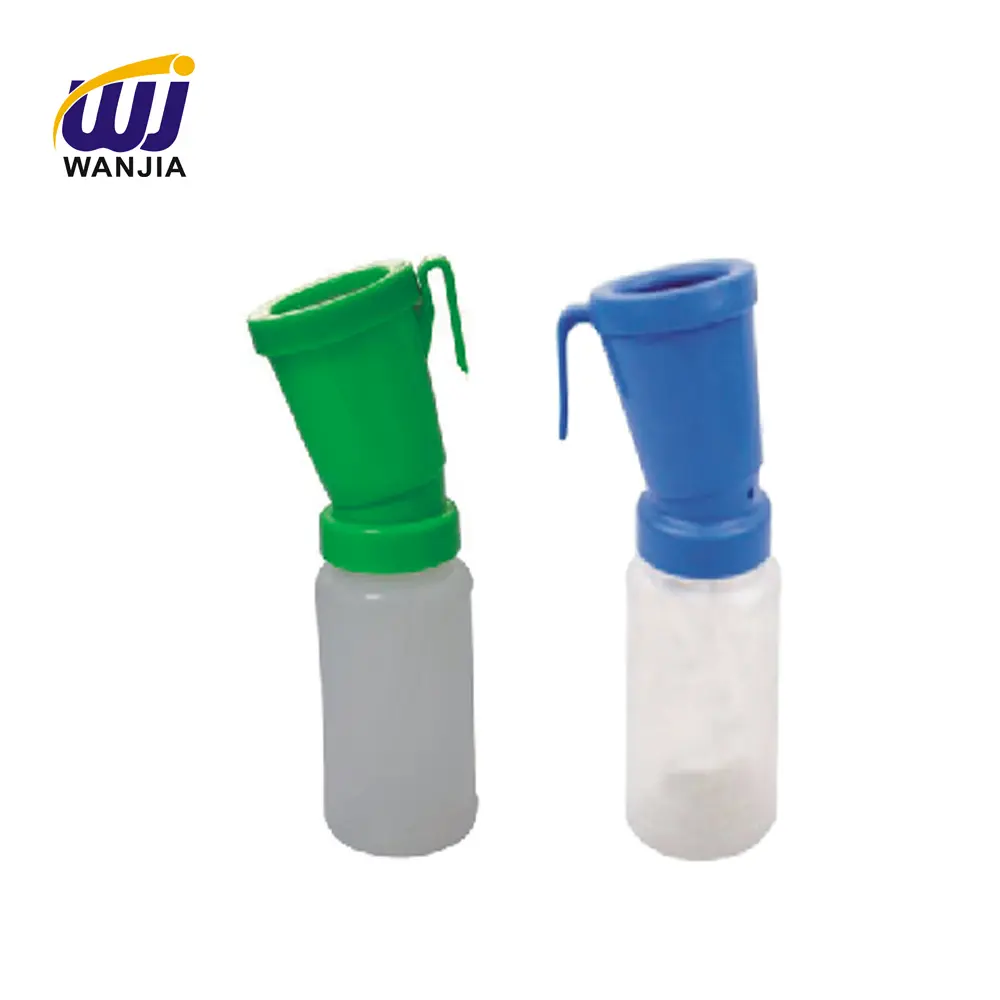
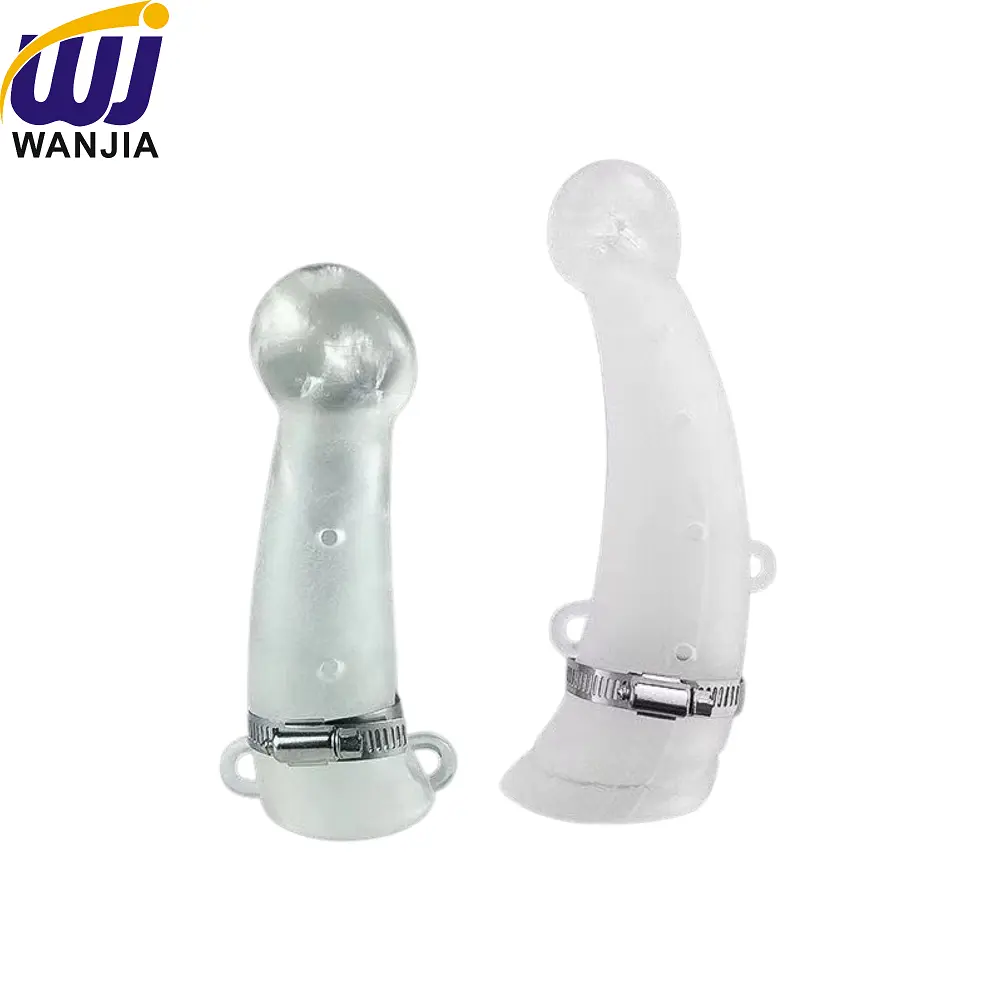
Our broader selection of certified livestock treatment devices, protective tracking accessories, and veterinary care items engineered for Mali's market.
Importing advanced clinical and medical instrumentation into the West African landscape requires navigating nuanced international trade laws and regional veterinary directives. Shaoxing WANJIA aligns its manufacturing specifications with the structural guidelines mandated by Mali’s National Directorate of Veterinary Services (DNSV) and the overarching regional frameworks established by UEMOA. Our products feature full ISO 9001:2015 management certifications and CE marks, providing smooth customs clearance at major West African transit corridors, such as the Port of Dakar or Port of Abidjan, before inland transit to Bamako.
To support high-volume regional buyers, institutional public tenders, and NGO supply chains, we provide specialized documentation matrices. These include detailed metallurgical composition analysis reports, sterile processing guidelines, and comprehensive physical warranties against material defects. This thorough compliance framework ensures that all procured surgical tools arrive completely ready for deployment in rural sanitary campaigns and institutional research programs alike.
 WANJIA